

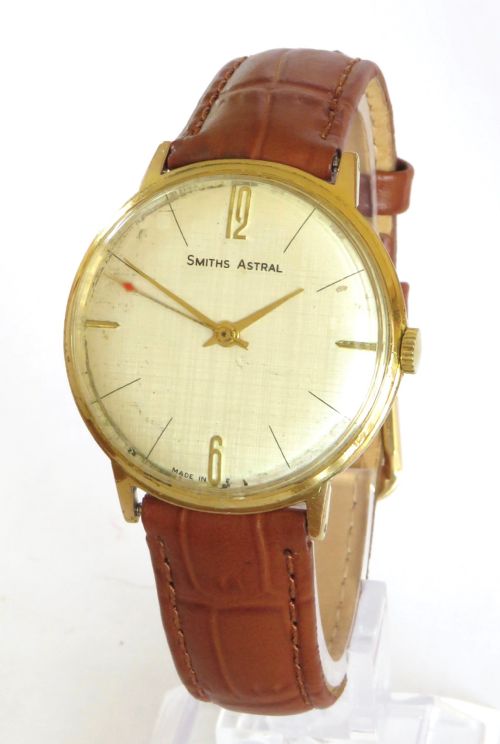
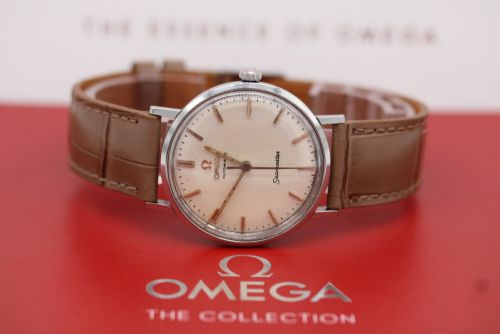
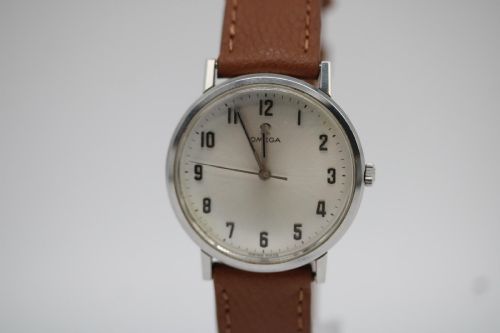
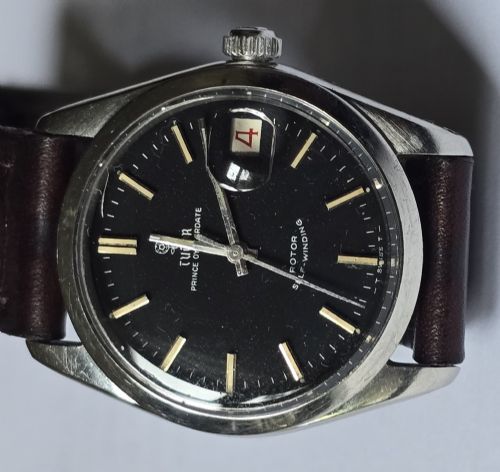
Brown Strap Mechanical Watch
A brown strap mechanical watch brings together mid-century horology, precious metals and dependable manual or automatic movements for everyday wear.
Brown Strap Mechanical Watch
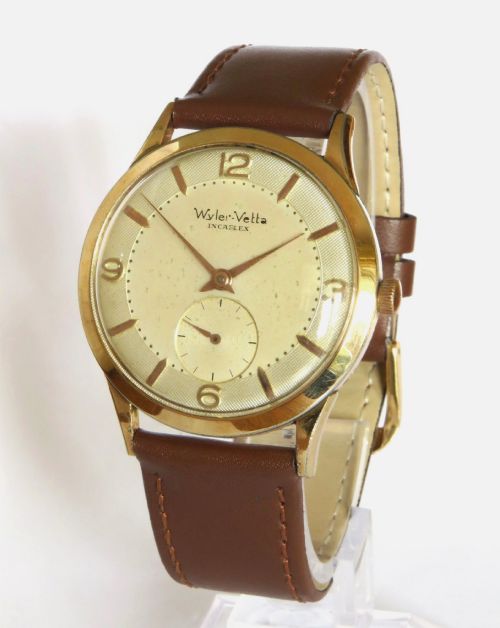
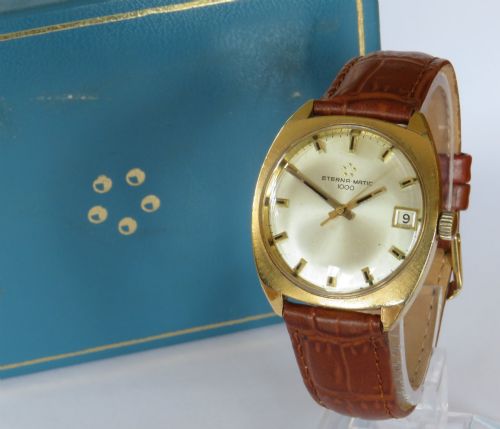
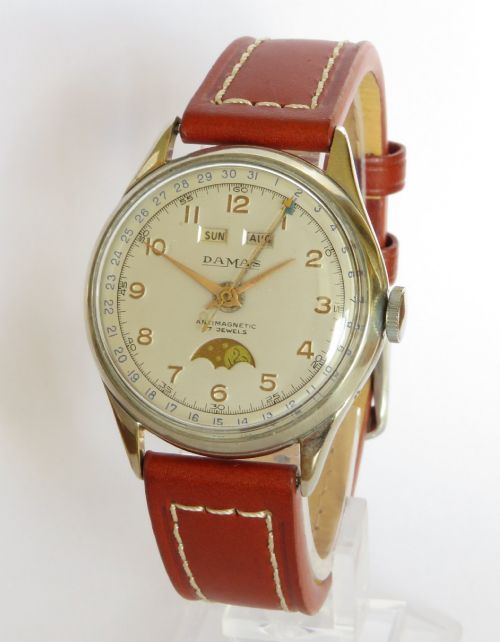
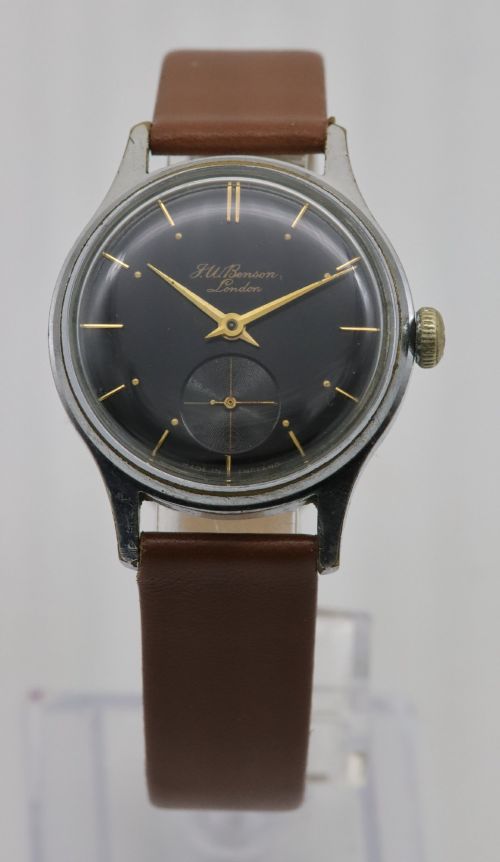
A brown strap mechanical watch represents a category of vintage timepieces spanning the 1930s to the 1960s, encompassing styles from Art Deco to Mid-Century Modern. These wristwatches operate via manual wind or automatic mechanical movements rather than quartz batteries, housing intricate gears that collectors prize.
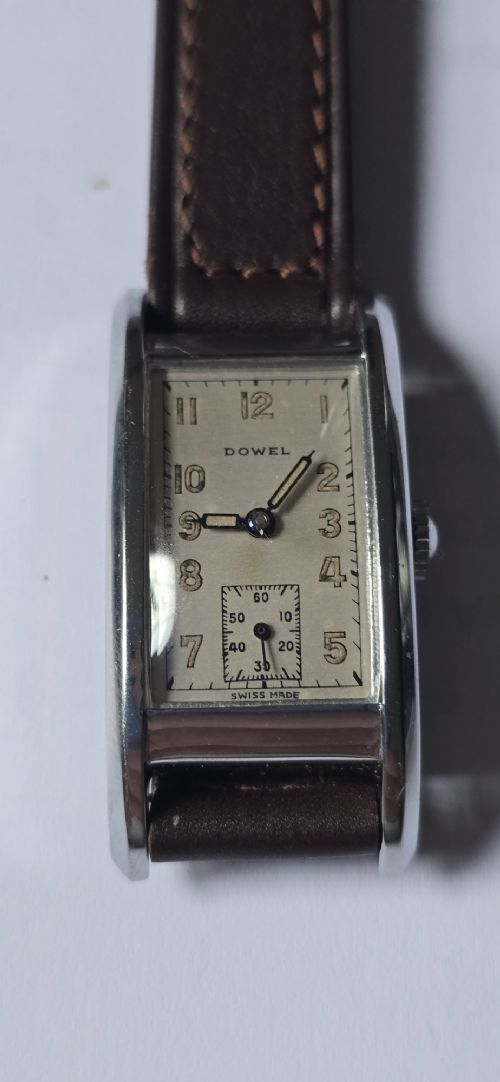
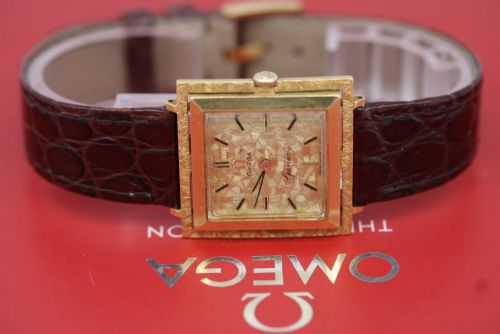
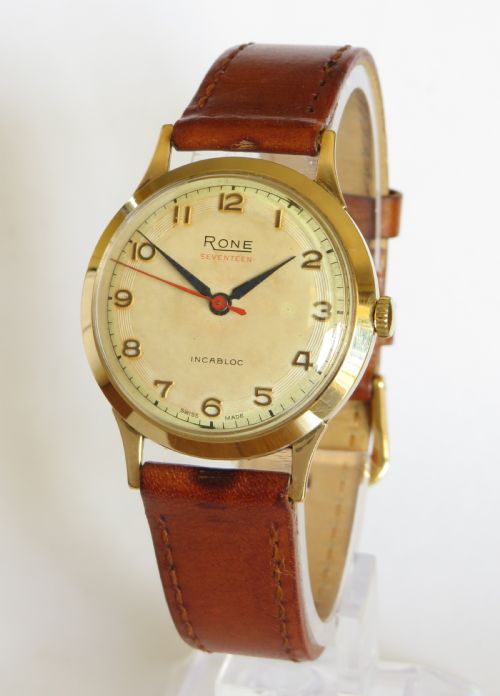
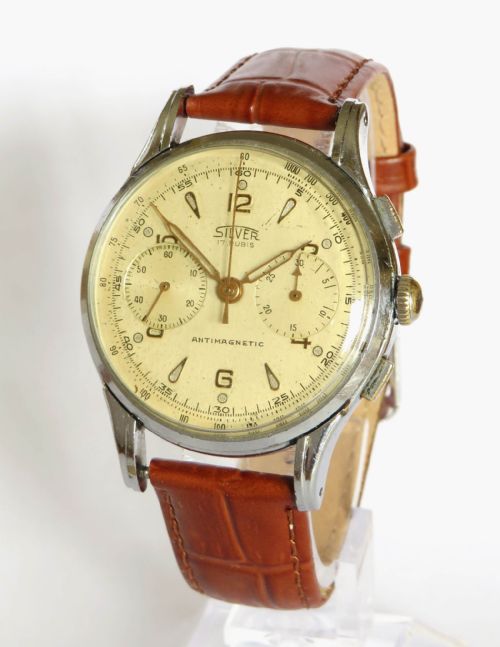
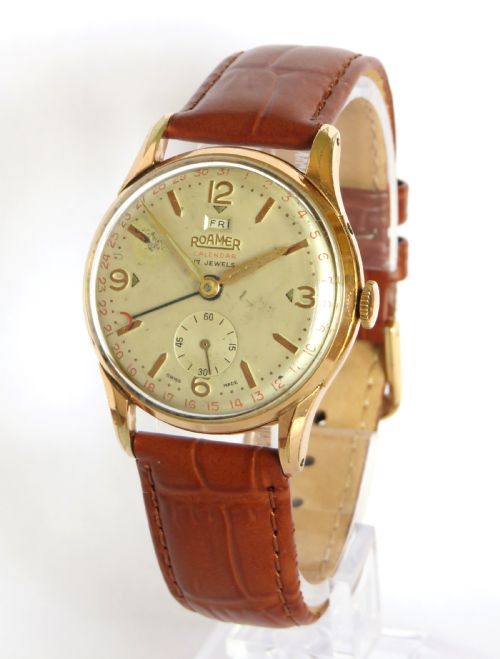
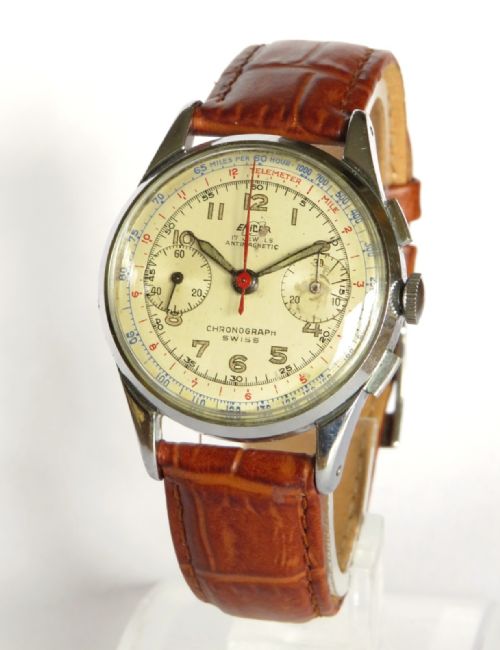
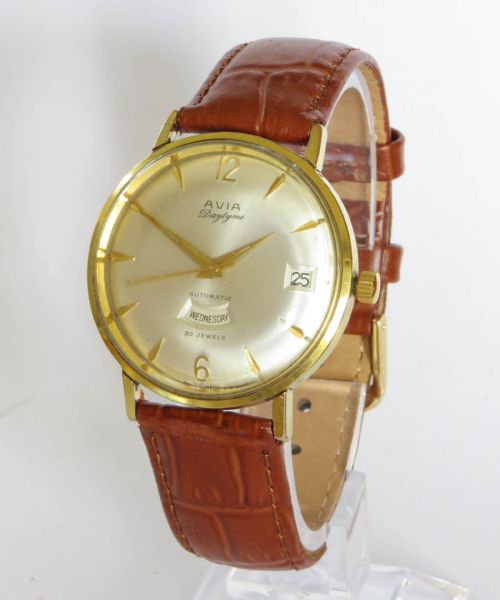
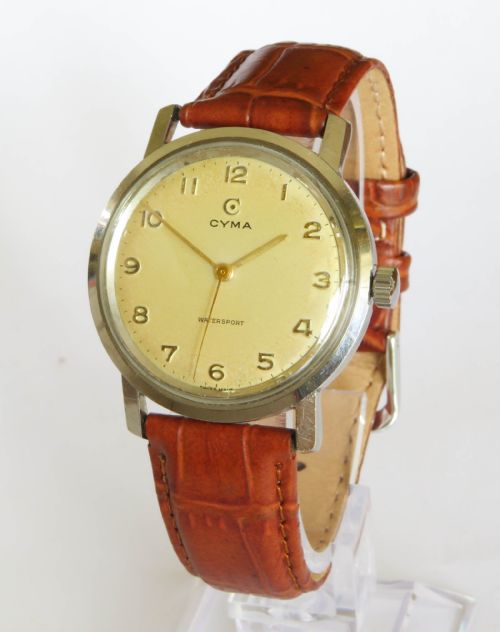
The versions most likely to appear on this page are gent's wristwatches from Swiss makers and traditional houses, encased in stainless steel, gold plate, or solid 9ct and 18ct gold. They frequently pair with leather straps, offering classic dial configurations like chronographs, calendar displays, and simple centre seconds.
How they were made
Cases utilise metals such as stainless steel, gold plated metal, and solid 9ct or 18ct gold, shaped into round or square forms by period manufacturing techniques. Dials are protected by glass or acrylic crystals, preserving painted markers and applied numerals beneath.
Movements rely on precision Swiss and international mechanical engineering, combining metal gears, springs, and jewels that require manual winding or rotor weights for automatic operation.
Brown Strap Mechanical Watch Retail Price Guide 2026
Typical asking prices for brown strap mechanical watch among the pieces listed under this phrase on Sellingantiques today, from the lower quarter to the upper quarter. They describe what is for sale here now, not the wider market.
The listings span four distinct decades from the 1930s through to the 1960s, featuring materials from stainless steel to solid 18ct gold.
What varies in quality
Quality differences stem from the grade of the movement, the preciousness of the case material, and the original maker's reputation within horological history. Solid gold cases and complex chronograph mechanisms sit at the upper end of the scale compared to standard plated models.
The preservation of the dial and hands dictates desirability, alongside the presence of original boxes, papers, or specific maker signatures that establish provenance and factory finish.
McDowells Dublin·Tudor·Rone·Eterna·Antoremi·Roamer·Omega·Avia·IWC·Cyma·Enicar·Longines·Baume Bimatic·Lanco·Sperina·Mappin·Aster·Miramar·Larex·Mundus·Bulova·Elgin
The Brown Strap Mechanical Watch Glossary
- Mechanical watch
- A timepiece powered by a mainspring and gear train rather than a battery. These watches require manual winding or automatic wrist movement to function.
- Chronograph
- A watch equipped with a stopwatch function alongside standard timekeeping. It often includes subsidiary dials to measure elapsed seconds and minutes.
- Manual wind
- A mechanical movement that requires the wearer to turn the crown by hand to tension the mainspring. This is distinct from automatic movements which wind themselves.
- New old stock
- Unsold vintage inventory discovered in pristine condition from past decades. These pieces retain their original factory finish and packaging.
Brown Strap Mechanical Watch: Frequently Asked Questions
How do I wind a mechanical watch?
Gently rotate the crown clockwise between your thumb and forefinger until you feel resistance. Stop turning immediately when resistance increases to avoid damaging the mainspring.
Wind the watch at roughly the same time each day to maintain consistent tension and accurate timekeeping.
Can I wear my vintage watch every day?
Many vintage mechanical watches are robust enough for daily wear provided they have been recently serviced by a professional horologist. Their movements rely on oiled metal components that benefit from regular operation.
Keep older pieces away from water and strong magnetic fields, as vintage water resistance seals degrade over the decades.
What is the difference between manual and automatic?
A manual watch relies entirely on you turning the crown by hand to store energy in the mainspring. An automatic watch contains a weighted internal rotor that spins as your wrist moves, automatically winding the mainspring throughout the day.
Both systems drive mechanical gear trains, but automatic movements offer the convenience of self-winding during wear.
How do I identify the decade of a watch?
Stylistic cues such as square Art Deco case geometries point toward the 1930s, while clean minimalist dials often signal mid-century design from the 1950s and 1960s. Maker hallmarks, case reference numbers, and movement serial numbers provide more precise dating.
Comparing dial fonts and lug shapes against documented manufacturer archives helps confirm the production era.