




Silver Inlaid Brass Table
A silver inlaid brass table brings distinctive metalwork into a room, combining brass bases with contrasting inlaid silver details across various historic periods.
Silver Inlaid Brass Table
A silver inlaid brass table presents a combination of metalwork and form, appearing in periodic styles such as Regency, Victorian, Edwardian, and Mamluk Revival. These pieces function as occasional tables, centre tables, and side tables within domestic settings.
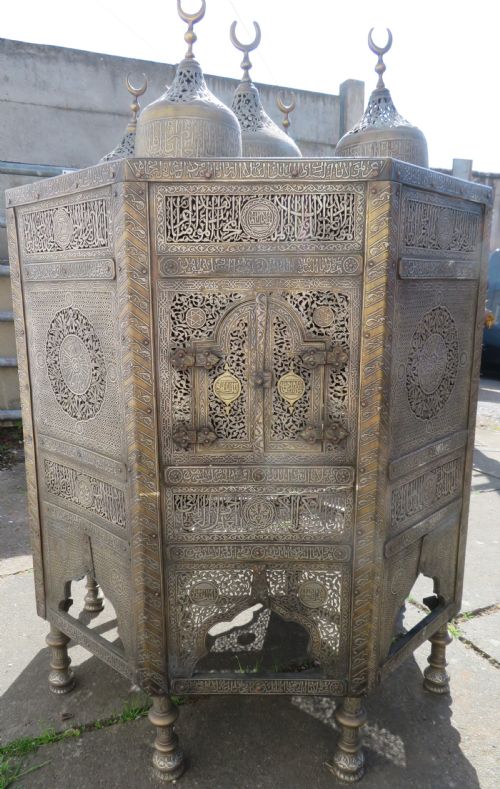
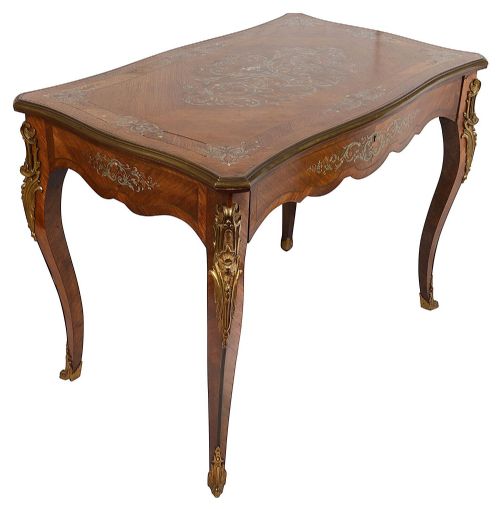
The selection includes examples like Cairo ware kursi tables alongside French Louis XVI style centre tables. Buyers encounter forms ranging from low Quran stands to traditional occasional tables utilising brass and silver inlay.
Materials and construction
Maker construction relies on brass bodies combined with silver inlay, sometimes incorporating secondary timbers like rosewood, mahogany, walnut, or coromandel in related framing. Artisans hammered or cast the primary brass structure before chiselling recesses to receive the silver inlay.
Surface execution involves intricate metal work and contrasting metallic tones. The combination of silvered metal and copper highlights appears alongside the core brass and silver elements recorded in the evidence.
Assessing quality and execution
Quality rests upon the precision of the metal inlay and the crispness of the chased or engraved brass ground. Superior examples maintain flush, secure metalwork where the silver sits evenly within the brass matrix without gaps.
Design cohesion also dictates merit, separating mass-produced decorative items from finely proportioned pieces with balanced geometric or botanical motifs. The articulation of the form, whether a French occasional table or a Cairo ware kursi, defines the standard of the manufacture.
The Silver Inlaid Brass Table Glossary
- Cairo ware
- Brass vessels and furniture inlaid with silver and gold, produced in Egypt and the Middle East during the late nineteenth and early twentieth centuries. These items often feature dense Islamic geometric patterns and calligraphy.
- Kursi
- A traditional low stand or stool, frequently utilised as a support for the Quran or as an occasional table. They often display elaborate pierced and inlaid metalwork.
- Occasional table
- A small, movable table designed for specific, intermittent uses within a room. They emerge in various revival styles during the nineteenth and twentieth centuries.
- Inlay
- A decorative technique where materials are embedded into recesses created in a contrasting base surface. In these pieces, silver is set into brass.
Silver Inlaid Brass Table: Frequently Asked Questions
How do I clean a silver inlaid brass table?
Maintenance requires dry dusting with a soft cloth to protect the delicate metallic surfaces. Avoid harsh chemical polishes that can dislodge the silver inlay from the brass ground.
Gentle care preserves the historic patina developed over the nineteenth and twentieth centuries. Consult a specialist restorer if deeper cleaning becomes necessary.
What periods do these tables come from?
The available selection spans the nineteenth century through to the 1930s. Key eras represented include the Victorian and Edwardian periods, alongside specific revivals.
Stylistic influences range from French Louis XVI designs to Mamluk Revival pieces. Each era brings distinct manufacturing techniques to the brass and silver work.
Where were Cairo ware tables made?
Cairo ware pieces originated in workshops in Egypt during the late nineteenth and early twentieth centuries. Artisans utilised traditional metalworking techniques to create intricate inlaid items for both local and export markets.
These tables frequently incorporate brass decorated with silver and gold wire. They reflect the Orientalist taste popular among European collectors of the era.
Can I use an occasional table daily?
These tables suit regular placement in reception rooms for holding light objects such as lamps or decorative items. Their historic metal construction requires sensible handling to prevent surface scratching.
Placing coasters on the top protects the brass and silver inlay from moisture and heat. Proper placement ensures the piece remains stable and secure.