


Orientalist Brass Table
An orientalist brass table brings intricate metalwork and exotic pattern into a room, offering both decorative presence and a functional surface.
Orientalist Brass Table
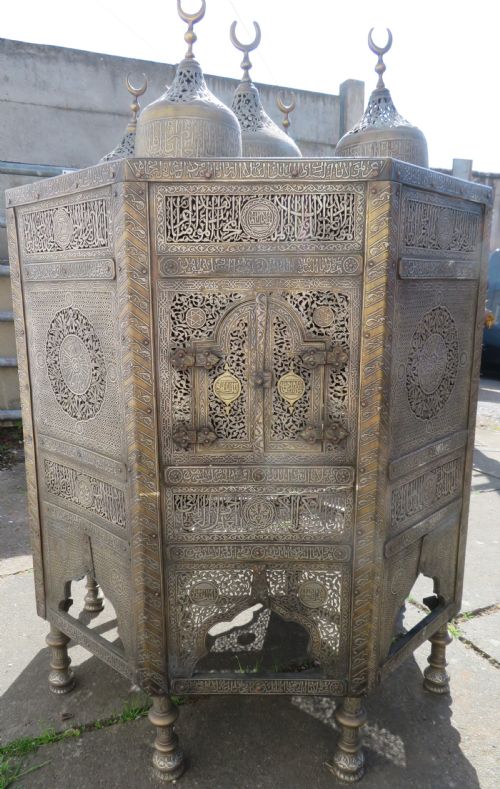
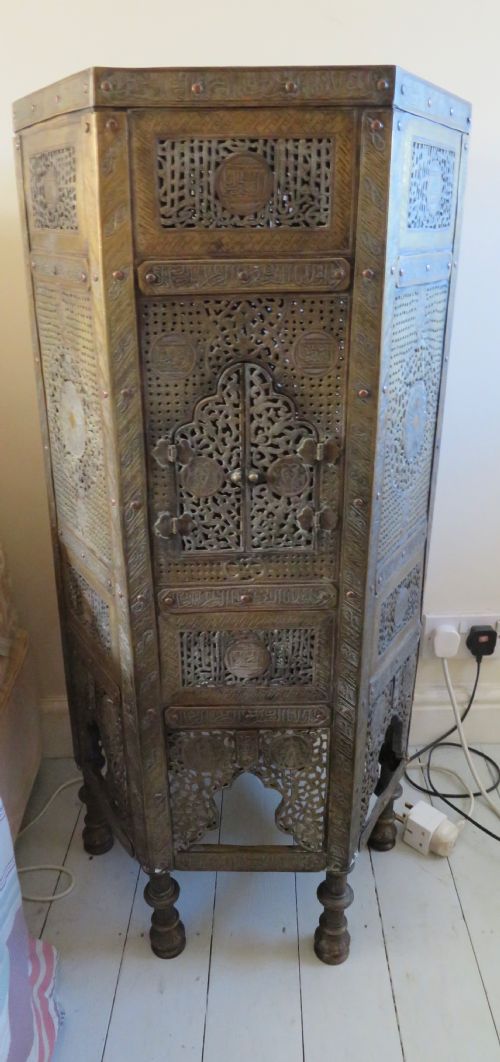
When you search for an orientalist brass table, you encounter pieces spanning from the mid-nineteenth century through the 1930s, reflecting diverse regional inspirations including Mamluk revival, Persian, and Cairo ware designs. These objects take forms such as hexagonal occasional tables, folding coffee tables, and Quran stands adapted for domestic use.
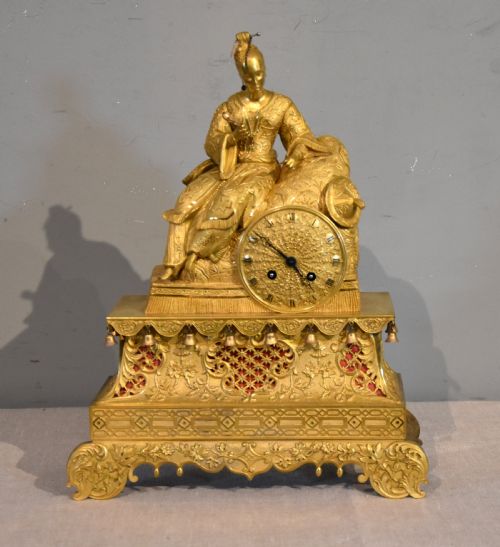
The version you are most likely to meet on this page is the pressed or inlaid brass occasional table or kursi, often featuring elaborate surface decoration. Alongside these stands, related lighting and decorative items appear, showing the broad Victorian and early twentieth-century fascination with Eastern aesthetics.
The materials associated with these tables extend beyond plain brass to incorporate silver and gold inlay, copper, and sometimes hardwood or textile elements. Their origins stretch from British-influenced workshops to French interpretations of Turkish and Arabic styles.
Factors of quality
Quality separates in the precision and depth of the metal inlay and the crispness of the openwork piercing. Hand-chased detailing and substantial gauge brass indicate superior workmanship compared to lighter, purely machine-pressed alternatives.
The integrity of the structural frame, whether an intricate folding hardwood base or a solid brass support, dictates the overall durability and balance of the piece. Preservation of original inlaid metals without extensive later replacement preserves the integrity of the object.
A folding table complete with its original brass tea service proves that Victorians took their beverage logistics very seriously indeed.
The Orientalist Brass Table Glossary
- Cairoware
- Brass metalwork originating from Cairo in the late nineteenth and early twentieth centuries, heavily inlaid with silver, copper, and gold. These pieces were produced for both local markets and the European export trade.
- Kursi
- A traditional Middle Eastern low stool, stand, or table, frequently utilised as a Quran stand or general occasional table in European interiors. They often feature hexagonal tops and elaborate pierced decoration.
- Mamluk Revival
- A nineteenth-century design movement that emulated the opulent metalwork, glass, and architecture of the medieval Mamluk Sultanate. Makers utilised complex geometric strapwork and Arabic inscriptions.
- Repoussé
- A metalworking technique where the metal is hammered from the reverse side to create a raised design on the front. This method gives texture and relief to the brass surfaces.
- Ormolu
- Gilt bronze mounted or applied to furniture and decorative objects, popular in French interpretations of Eastern styles. It provides a bright, golden contrast to darker woods and patinated metals.
Orientalist Brass Table: Frequently Asked Questions
How were these tables originally used?
These tables served various domestic functions, acting as low coffee tables, display surfaces for decorative objects, or dedicated stands for sacred texts like the Quran. Their portable designs often allowed them to be folded and stored when not in use.
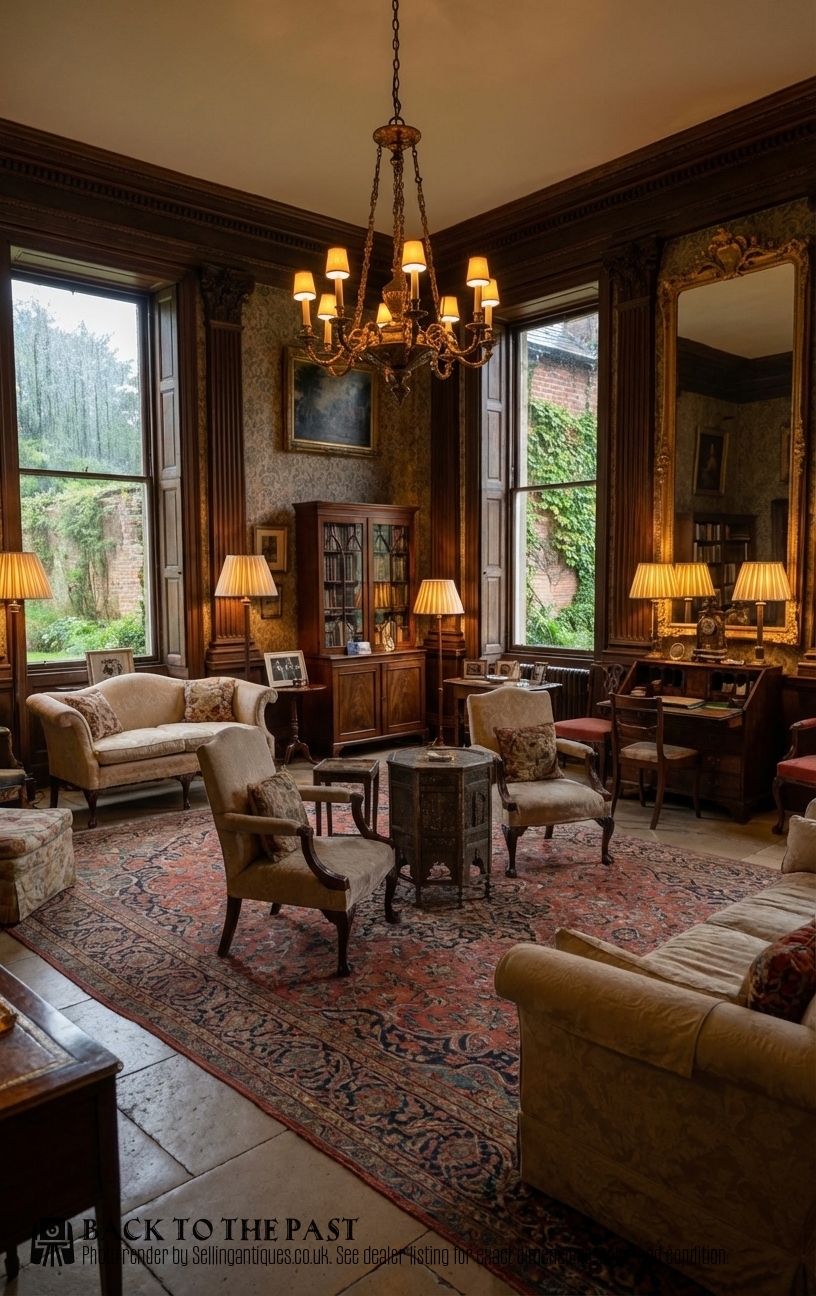
In European homes during the Victorian and Edwardian eras, they were placed in drawing rooms and smoking rooms to project an air of global travel and eclectic taste.
Are folding tables sturdy?
The folding bases, often constructed from hardwood or interlocking wooden slats, were engineered to support moderate weight while remaining easily collapsible. Over decades of use, the hinge points and joints may loosen and require careful adjustment.
Placing them on even flooring ensures stability, and avoiding heavy loads prevents strain on the intricate wooden frames supporting the heavy brass tops.
How do I clean brass inlay?
Dusting with a soft, dry cloth is usually sufficient for routine maintenance, avoiding harsh commercial dips that can strip the aged patina and damage the delicate silver or copper inlay. Gentle care preserves the historical surface.
If cleaning is necessary, a mild, non-abrasive cleaner applied sparingly with a cotton swab helps protect the contrasting metals from chemical corrosion.
How do I date an orientalist table?
Dating relies on examining the construction methods, the style of the metalwork, and any maker marks or stamps found on the brass or wooden components. Pieces from the late nineteenth century often show heavier gauge brass and hand-tooled execution.
Later examples from the 1920s and 1930s sometimes incorporate machine-pressed elements alongside traditional inlay techniques, reflecting changing production standards of the period.