
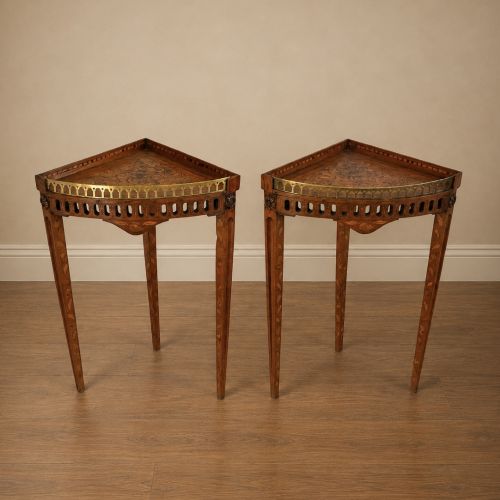
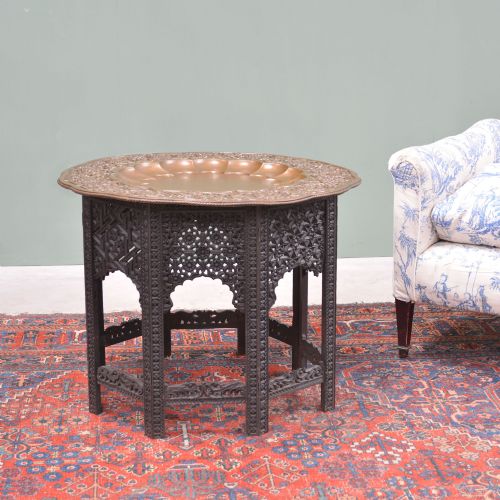
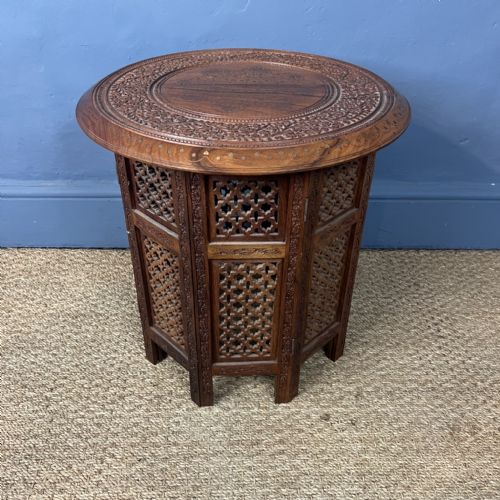
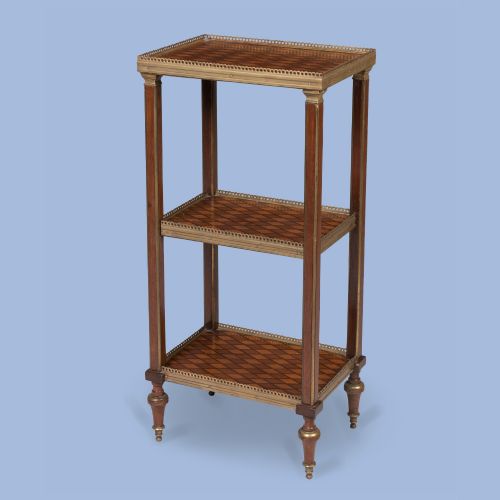
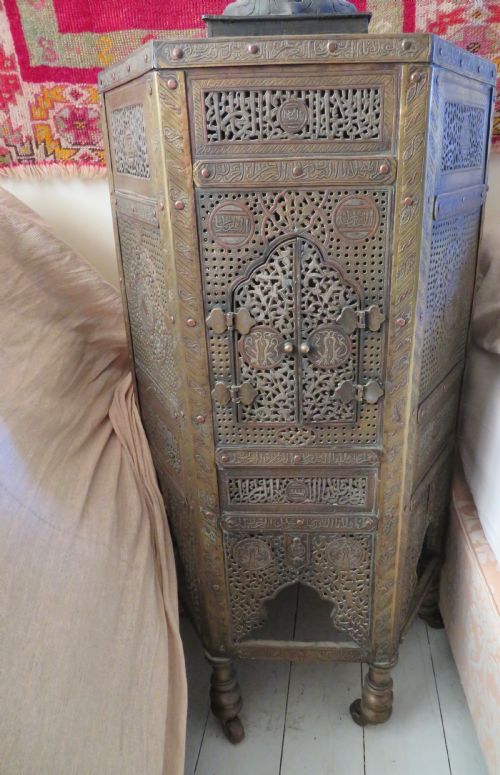
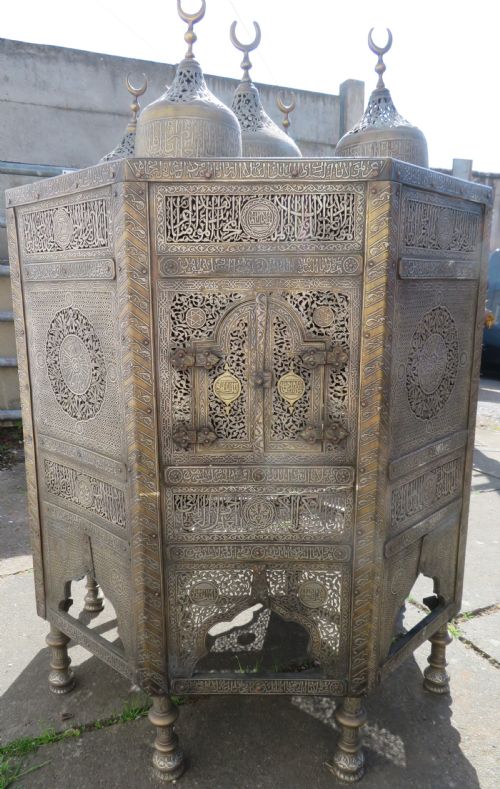
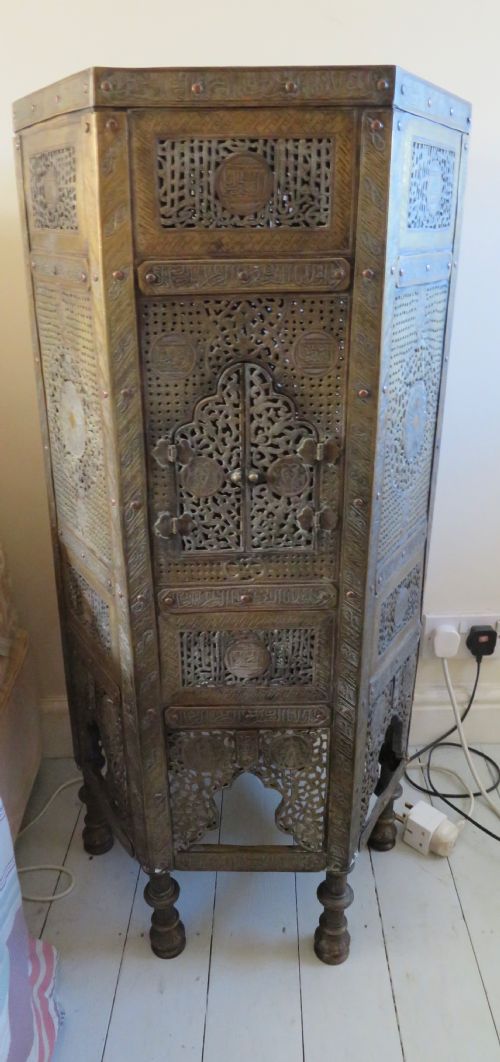


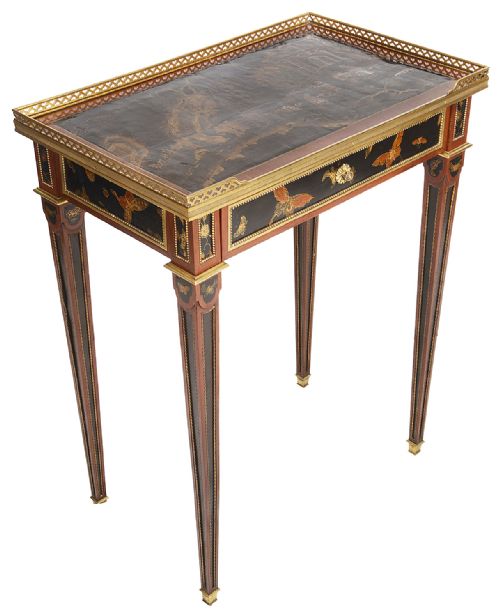
Pierced Brass Side Table
A pierced brass side table brings intricate metalwork and exotic warmth into a room, offering a functional surface with striking ornamental detail.
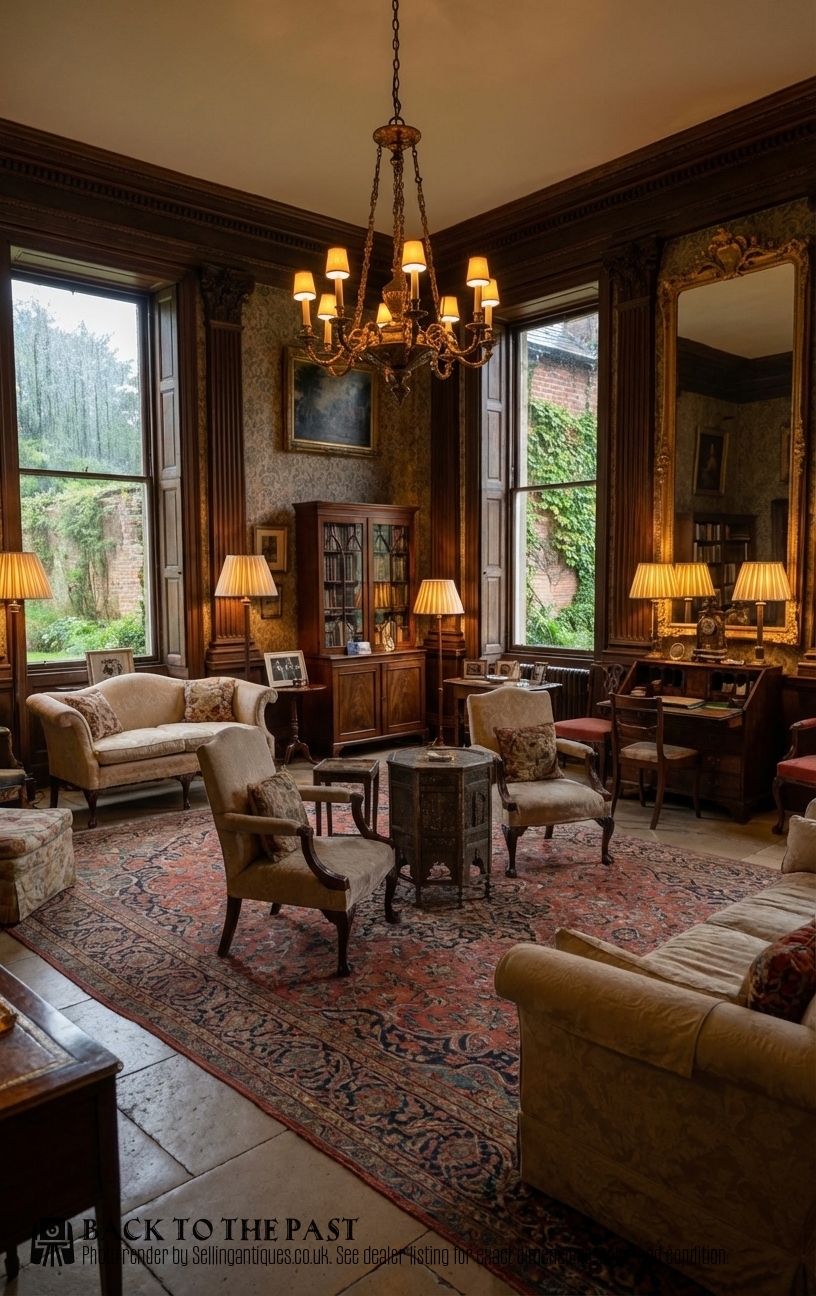
Pierced Brass Side Table
A pierced brass side table encompasses a diverse group of occasional furniture spanning multiple centuries and international design traditions. These pieces frequently feature intricate openwork metal, fine wood inlays, or dedicated tray tops designed for versatile placement around the home.
Originating from periods extending from the eighteenth century through the early twentieth century, these tables reflect global craftsmanship and distinct stylistic revivals. Each piece serves as a functional side or lamp table while introducing historical character and decorative depth to interior spaces.
Markers of distinction
Quality in these pieces rests upon the precision and depth of the metalwork, where finely pierced foliage and geometric motifs demonstrate superior craftsmanship. The crispness of the engraving and the seamless integration of inlaid copper or white metal separate exceptional examples from simpler production.
Structural integrity of the underlying timber frame and the quality of secondary woods further distinguish finer items. Tables retaining their original patination and well-fitted removable trays display a higher degree of preservation and authenticity.
Some tables were built to fold completely flat so nineteenth-century travellers could pack their coffee tables into a modest trunk.
The Pierced Brass Side Table Glossary
- Cairoware
- Metalwork goods produced in Cairo, typically featuring brass inlaid with silver, copper, and white metal in intricate Islamic designs. These items gained immense popularity during the Orientalist movement of the late nineteenth and early twentieth centuries.
- Hoshiarpur
- A northern Indian town renowned for its skilled woodcarving and inlay traditions. Tables from this region typically combine dense wooden frames with intricately engraved brass or bone inserts.
- Guéridon
- A small French table supported by one or more columns or figures, originating in the seventeenth century. By the nineteenth century, the term applied broadly to various ornamental occasional and side tables.
- Kursi
- A low occasional table or stand, often hexagonal or octagonal in shape, traditionally used in Middle Eastern interiors. These pieces frequently double as Quran stands or decorative coffee tables.
- Marquetry
- The art and craft of applying pieces of veneer to a structure to form decorative patterns and designs. Master cabinetmakers utilise various coloured woods to create pictorial or geometric surfaces.
Pierced Brass Side Table: Frequently Asked Questions
How do I clean a pierced brass table?
Maintenance requires gentle dusting with a soft brush to clear intricate pierced recesses without snagging the metal. Avoid harsh liquid polishes that can strip the historic patination and damage adjacent wood or inlay work.
A dry microfiber cloth works best for regular upkeep. If the brass requires deeper cleaning, use a mild, non-abrasive cleaner applied sparingly with a cotton bud, ensuring no moisture reaches the wooden elements.
Can I use these tables for daily service?
These occasional tables function well for holding lamps, books, or decorative items in normal domestic settings. Their antique nature means they appreciate thoughtful placement away from direct heat sources and excessive moisture.
Heavier items should be kept to sturdier models with solid timber frames. Using coasters helps protect both the wooden surfaces and the delicate metal inlays from potential liquid rings.
What is the difference between Anglo-Indian and Cairoware?
Anglo-Indian pieces typically pair carved wooden structures with brass sheet inlays, reflecting British colonial taste applied to Indian craftsmanship. The decorative focus often highlights floral and animal motifs integrated into dense wood.
Cairoware originates from Egypt and relies heavily on heavy brass bodies completely covered in geometric and calligraphic metal inlays using silver and copper. These items emphasise the metallic surface over exposed timber framing.
How do I date an antique brass table?
Dating relies on examining the construction methods, fastener types, and stylistic indicators such as revival motifs or colonial trade patterns. Eighteenth-century pieces often show hand-cut joinery and heavy patination, while early twentieth-century examples may display different manufacturing tolerances.
Comparing the specific metal alloy composition and the style of engraving against documented periods provides further clarity. Consulting stylistic traits associated with specific decades helps narrow down the origin.