



Silver Hallmarked Glass
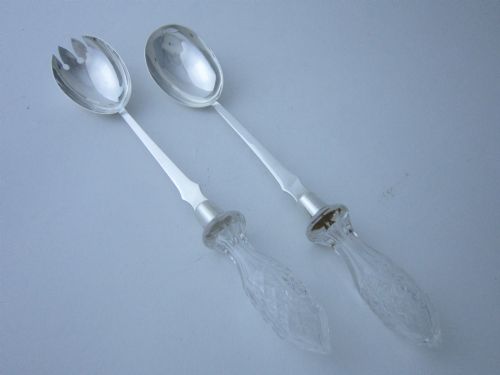
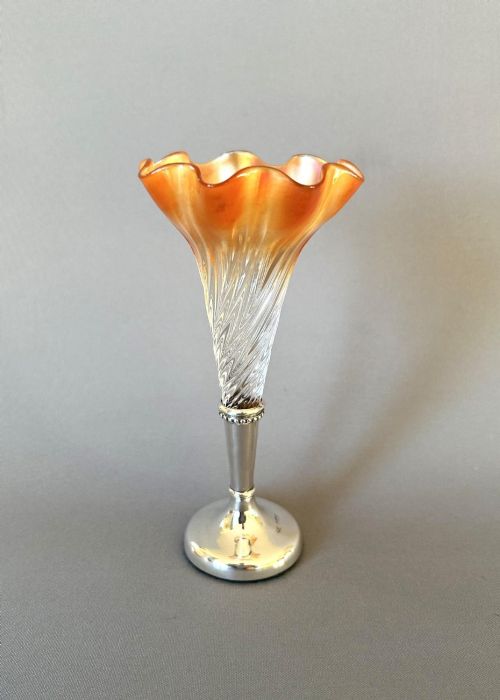
Silver hallmarked glass brings together heavy sterling silver mounts and lustrous vessels, offering functional elegance for the dressing table and dining room.
Silver Hallmarked Glass
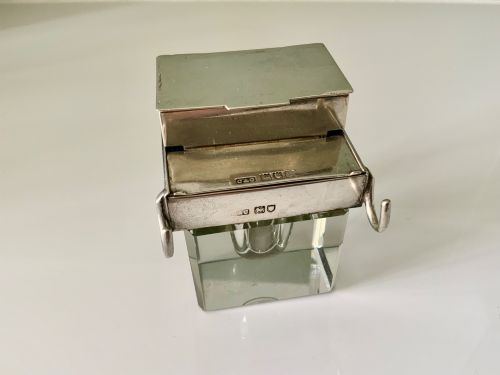
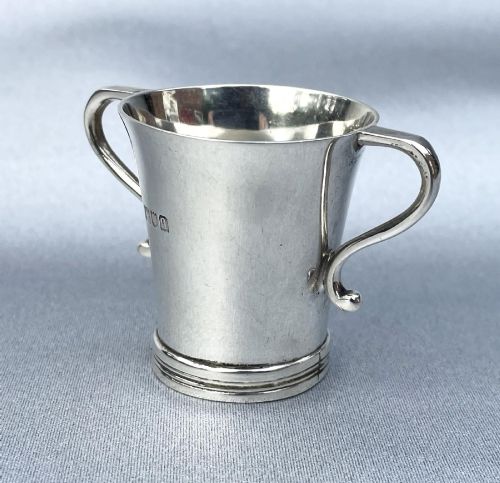
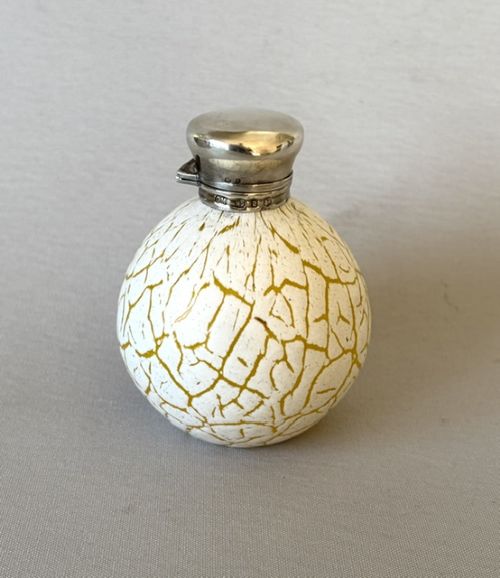
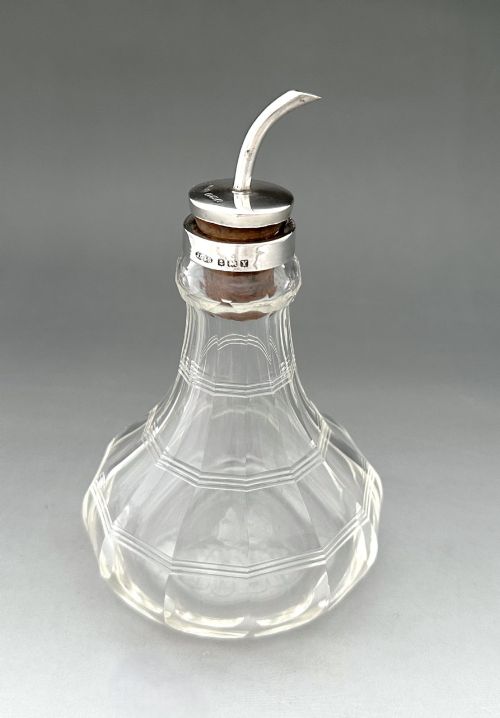
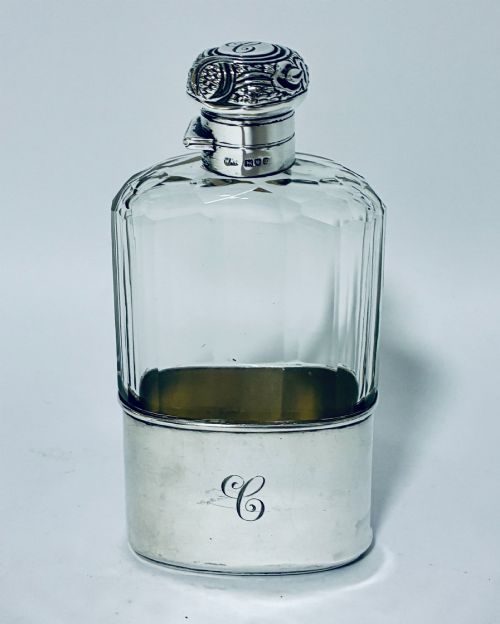
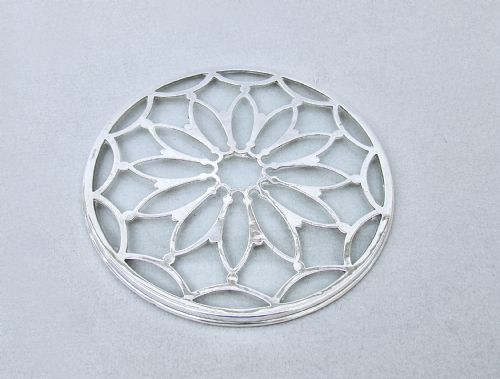
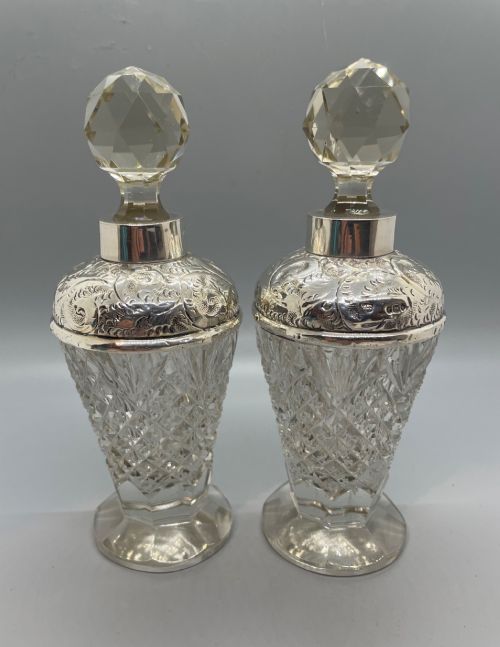
Silver hallmarked glass encompasses a diverse array of utilitarian and decorative objects, ranging from heavy decanters and scent bottles to desk accessories and condiment jars. The selections span multiple eras, with strong representation from the Victorian, Edwardian, and George V periods.
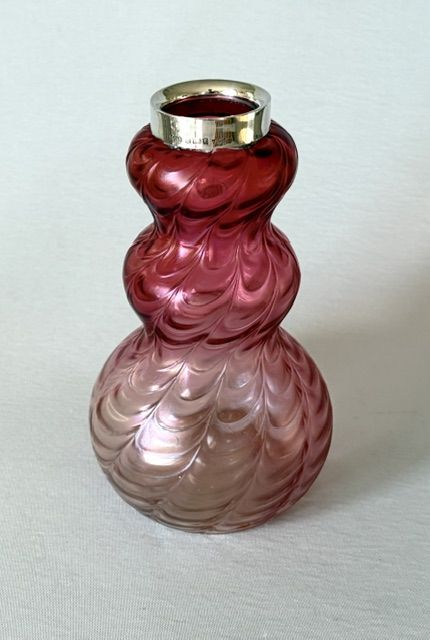
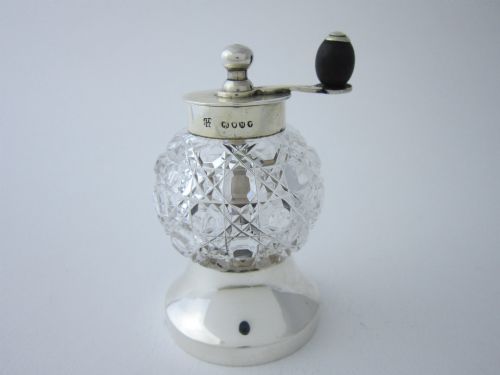
Buyers encountering this material combination will frequently find dressing table jars, scent bottles with silver lids, and barware such as whisky noggins and bitters jiggers. These functional items blend clear or coloured glass vessels with British assay office hallmarks stamped directly onto the sterling silver mounts.
How they were made
The construction of these pieces relies on combining blown, moulded, or cut glass with cast and wrought sterling silver components. Craftsmen often secured silver collars, rims, or pierced galleries directly onto glass bodies using specialised adhesives or tight mechanical fits.
Makers utilised techniques such as hand-cutting crystal, applying vitreous enamel over silver lids, and creating repousse patterns on mountings. Assay marks stamped into the metal provide the exact year and location of testing.
Silver Hallmarked Glass Retail Price Guide 2026
Typical asking prices for silver hallmarked glass among the pieces listed under this phrase on Sellingantiques today, from the lower quarter to the upper quarter. They describe what is for sale here now, not the wider market.
Travelling medical kits from the Edwardian era tucked tiny glass vials into fitted silver mounts for the well-prepared Victorian adventuress.
What varies in quality
Quality in silver hallmarked glass is largely determined by the crispness of the silver chasing and the weight of the glass vessel. Thicker, heavier cut crystal and deeply pierced silver mounts distinguish finer examples from lighter, mass-produced counterparts.
The integration between the metal and the glass also defines standard. Pieces where the silver collar fits the glass contours precisely without excess cement or movement demonstrate superior craftsmanship.
Harrods Ltd·Charles Thomas Fox·Crisford & Norris·Henry Perkins
The Silver Hallmarked Glass Glossary
- Hallmark
- Official marks stamped on precious metals in Britain to guarantee the standard of purity. These usually include the maker's mark, assay office mark, and date letter.
- Sterling silver
- An alloy consisting of ninety-two point five percent silver and seven point five percent other metals, typically copper. This standard is universally required for British silver hallmarked items.
- Cut glass
- Glass decorated by grinding facets or patterns into the surface using wheels. It creates the prismatic sparkle seen on many Edwardian and Victorian decanters and scent bottles.
- Repousse
- A metalworking technique where the silver is hammered from the reverse side to form a raised design in relief. It is frequently seen on Victorian mounts.
- Tantalus
- A locking wooden frame with a carrying handle that secures decanters by their necks to prevent unauthorized access. The frame often incorporates sterling silver lock plates and mounts.
Silver Hallmarked Glass: Frequently Asked Questions
What do the marks on the silver mean?
The stamped symbols on the silver mounts indicate the assay office, the silver standard, and the specific year the piece was tested. These hallmarks allow you to trace the exact origin and age of the metalwork.
Common towns include London, Birmingham, and Chester, each represented by their own distinct punch symbol alongside the lion passant for sterling quality.
How were scent bottles used historically?
Victorian and Edwardian ladies used scent bottles to carry smelling salts or liquid perfumes. These small vessels were designed for daily carriage in a reticule or display on a dressing table.
Many featured internal glass stoppers beneath screw-down or hinged silver lids to prevent leakage during travel.
Can I use antique decanters for daily serving?
Many silver-mounted decanters and jugs remain fully functional for serving wine or spirits today. Inspect the interior for any cloudiness or residue before filling.
Hand wash the vessel after use and store it upright without the stopper tightly sealed to allow internal air circulation.