


Silver Glass Shaker
A silver glass shaker brings together metal and transparent vessel forms for barware and table service across multiple eras.
Silver Glass Shaker
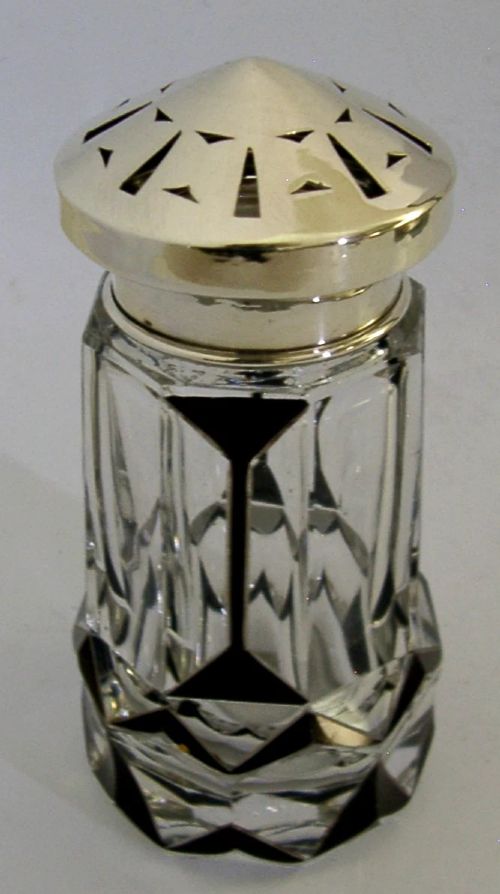
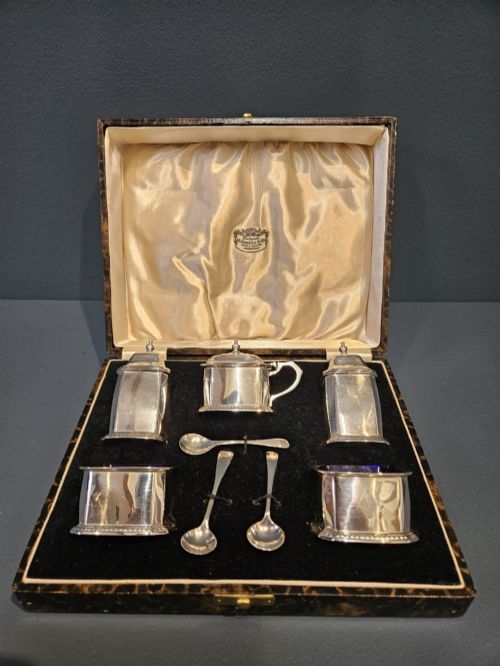
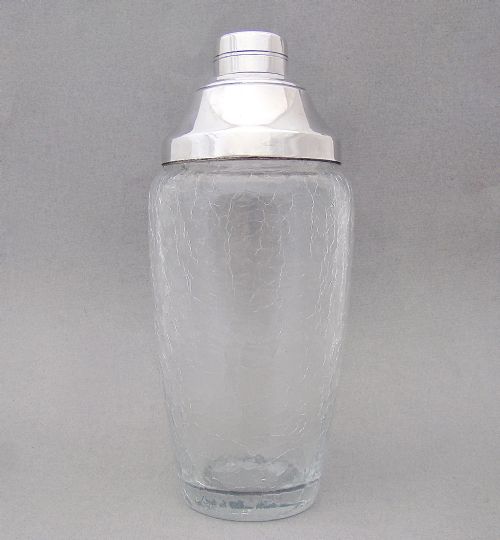
A silver glass shaker spans several functional categories, appearing most frequently as cocktail shakers, sugar casters, and condiment bottles designed for dining or bar service. These items combine transparent or patterned vessels with metallic mounts, collars, lids, or intricate exterior overlays.
The selections on this page draw from periods ranging from the Georgian era through Victorian designs to mid-century modern aesthetics. Cocktail shakers from the Art Deco decades feature prominently alongside multi-bottle cruet sets and individual table shakers.
Makers utilised glass bodies shaped through cutting, moulding, or crackle techniques, paired with either solid sterling silver or silver plate. Whether handling a heavy bar mixer or a small dining table pepper pot, the combination of glass and metal defines the group.
Assessing quality and manufacture
Quality reveals itself in the weight and clarity of the glass vessel alongside the gauge of the silver or silver plate used for the mounts. Heavy-walled glass with precise wheel-cutting denotes superior manufacturing standards compared to thin, mould-blown alternatives.
The integration between metal and glass indicates standard workmanship. Securely fitted collars, crisply pierced dispenser caps, and well-preserved hallmarks or maker marks distinguish higher-tier examples from utilitarian items.
Several cocktail shakers feature hand-painted cockerels, transforming a standard bar tool into an assertive poultry-themed drinking companion.
Goldsmith & Silversmith's·Hukin & Heath·Preece & Willicombe·James Dixon & Son·WMF
The Silver Glass Shaker Glossary
- Cruet set
- A matched collection of glass bottles or shakers mounted in a metal stand for table condiments. These sets frequently include oil, vinegar, mustard, salt, and pepper containers.
- Sugar caster
- A tall container with a pierced metal top used for sprinkling castor sugar onto food. They often adopt lighthouse or baluster forms.
- Silver plate
- A layer of silver fused to a base metal foundation, commonly utilised for twentieth-century barware and cruet mounts. It provides the visual appeal of solid silver at a different scale of production.
- Cut glass
- Glassware decorated by grinding facets and patterns into the surface using rotating wheels. This technique adds considerable weight and brilliance to the vessel.
- Cocktail shaker
- A vessel equipped with a tight lid and strainer designed for mixing drinks. Art Deco examples often incorporate painted motifs, enamel details, or recipe markings.
Silver Glass Shaker: Frequently Asked Questions
What is a silver glass shaker used for?
These vessels serve distinct functional roles depending on their form and size. Barware pieces mix and pour cocktails, while smaller table examples dispense sugar, salt, or pepper.
Dining sets often group multiple bottles within a metal frame for condiments. Their dual construction combines the utility of glass storage with the durability of metal mounts.
How do I date a silver glass shaker?
Dating relies upon a combination of hallmarks, manufacturing styles, and glass-working techniques. Silver components frequently bear town marks, date letters, and maker stamps that pinpoint the year of creation.
Stylistic indicators also help narrow the period. Art Deco items display geometric motifs and crackle glass, whereas Georgian and Victorian pieces lean towards traditional cut glass and ornate frames.
Are silver glass shakers dishwasher safe?
Modern dishwashers should be avoided when cleaning these antique and vintage pieces. Harsh detergents and high heat can damage silver plate, erode sterling silver, and weaken historic glass.
Hand washing with mild soap and warm water preserves both the metal surfaces and the glass integrity. Cork stoppers and enamel details require particular care to prevent moisture damage.
How do I clean tarnished silver mounts?
Cleaning tarnished silver requires a soft microfibre cloth and a formulation designed specifically for silver or silver plate. Care must be taken to keep cleaning agents away from the glass body and any painted or enamelled motifs.
Gentle polishing removes oxidation without scratching the metal. For pieces with fitted cork or velvet elements, keeping moisture away from the interior during cleaning prevents structural degradation.