

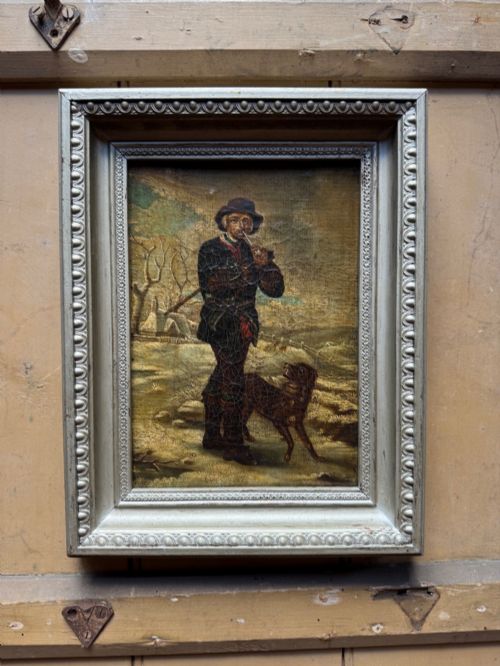
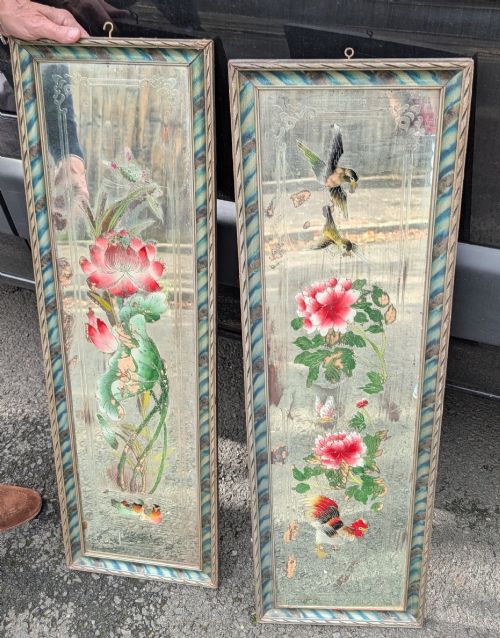
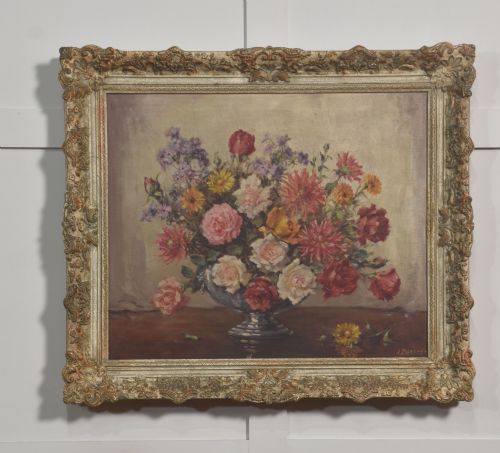
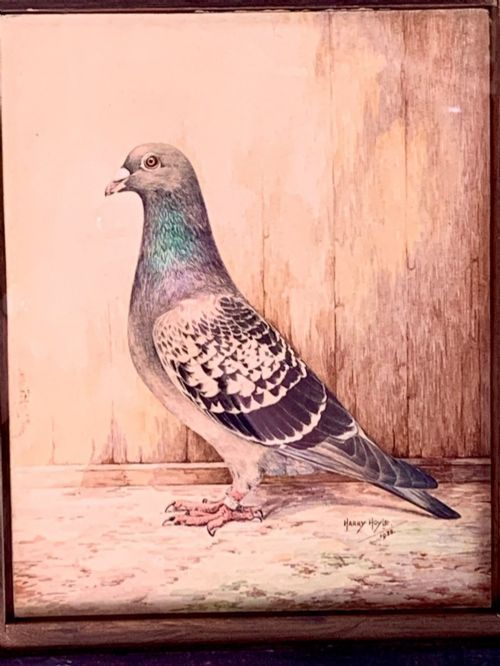



Silver Framed Painting
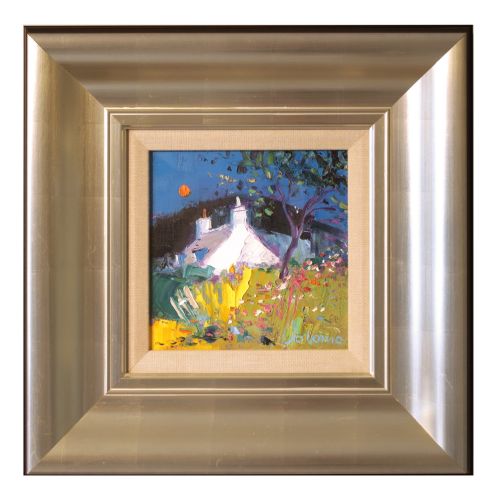
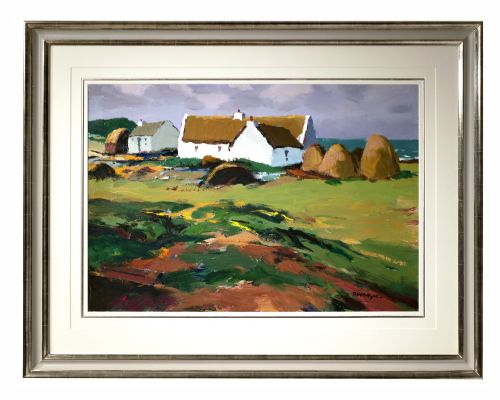
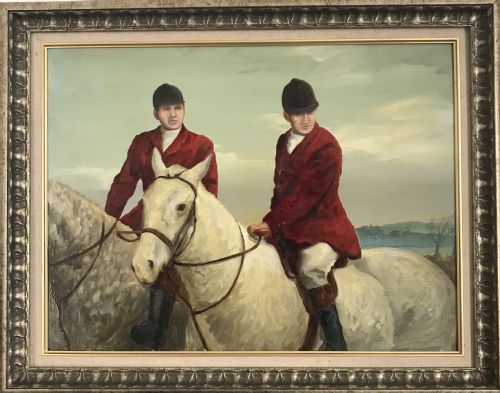
A silver framed painting brings together fine portraiture or landscape work and metallic lustre, offering a distinct visual weight on the wall.
Silver Framed Painting
When you search for a silver framed painting, you encounter works spanning from the seventeenth century through to the mid-twentieth century, encompassing oil paintings, watercolours, and portrait miniatures. The selection balances historical portraits with landscapes, equestrian scenes, and abstract compositions.
The enclosing frames vary significantly in character, ranging from parcel-silvered overmantle mirrors and cast pewter mouldings to delicate silver leaf surrounds. Many pieces pair traditional canvas work with distinct metallic or silvered housings that reflect the aesthetic movements of their respective periods.
Origins stretch across British, French, Belgian, and Italian workshops, showing how different regional makers chose to mount their canvases and panels. The silvered or metallic element acts as a deliberate complement to the palette of the artwork within.
Materials and technique
Artists painted primarily using oil on canvas, oil on panel, and gouache or watercolour on paper, applying pigments with traditional brushes and layering techniques. These supports ranged from stretched canvas and heavy oak panels to delicate paper sheets used for portrait miniatures.
Frames and surrounds incorporated wood bases coated with silver leaf, parcel-silvered treatments, or pewter mouldings, often finished by hand to achieve specific reflective qualities. Gilders and frame makers utilised metallic foil applications and specialised paints to complement the tones of the central artwork.
One recorded portrait miniature captures a young girl peering out from a silver frame with unmistakable nineteenth-century curiosity.
Judging the range
Quality rests heavily on the harmony between the artwork and its metal-finished surround, where skilled execution in both painting and framing elevates the piece. Masterly brushwork in the portraiture or landscape sits alongside precise handling of the silver leaf or painted wood.
Condition plays a central role, distinguishing works that retain their original surface integrity from those with later interventions. The crispness of detail in the painting and the stability of the silvered frame separate standard decorative items from superior historical examples.
John Michael Wright·Sir Godfrey Kneller·Philip Mercier·David Shepherd·Donald McIntyre
The Silver Framed Painting Glossary
- Oil on canvas
- Pigments bound in a drying oil applied to a woven fabric support stretched over a wooden frame. This technique allowed artists to build rich textures and deep tones.
- Portrait miniature
- A small, highly detailed painting, often executed on vellum, card, or copper, designed for intimate viewing. These works frequently featured protective glass and delicate frames.
- Parcel-silvered
- Partially coated with silver leaf or silver paint to highlight specific carved details on a wooden object. This finish created a subtle contrast against exposed wood or darker ground colours.
- Aesthetic movement
- A late nineteenth-century design orientation that prioritised visual beauty over narrative or moral themes. It influenced decorative frames and interior ornamentation.
- En grisaille
- Painting executed entirely in shades of grey, neutral grey, or monochromatic tones. Artists utilised this method to imitate sculptural reliefs or create solemn visual effects.
Silver Framed Painting: Frequently Asked Questions
How do I date a silver framed painting?
Dating relies on examining the construction of the frame, the materials of the canvas or panel, and the stylistic conventions of the artwork itself. Signatures, inscriptions, and backboard details often provide additional historical markers.
Changes in stretcher frame design and the composition of the metal leaf or paint layers also help narrow down the period of manufacture.
Are all these frames solid silver?
Most frames are constructed from wood or composition material finished with silver leaf, silver paint, or parcel-silvered treatments rather than being cast from solid silver. Metal elements such as pewter or plated mounts appear occasionally in specific aesthetic styles.
Examining the corner joints and backing reveals the underlying wooden substrate beneath the metallic surface finish.
How should I hang and light these pieces?
Position paintings away from direct sunlight and damp environments to protect both the delicate paint surface and the metallic frame finish. Stable indoor humidity prevents wood warping and flaking of the silver leaf.
Use gentle, indirect picture lights or ambient room illumination to bring out the reflective qualities of the frame without generating excess heat.
Can frames and paintings be from different periods?
It is common for artworks to be rehoused in replacement frames or for period frames to be paired with compatible paintings of a similar era. Assessing the fit, rebate depth, and wear patterns helps determine if the pairing is original.
Many collectors appreciate marriage pieces where a quality frame successfully enhances an older canvas.