




Abstract Expressionist Art
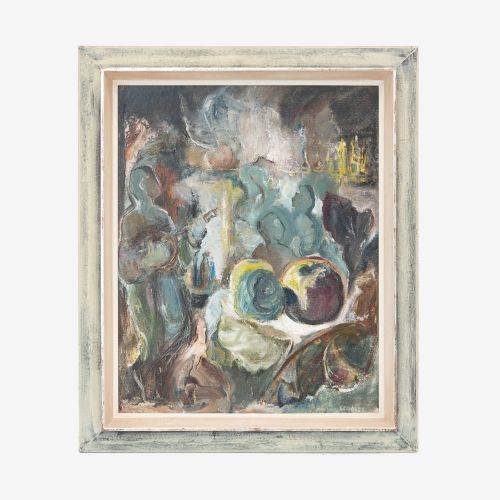
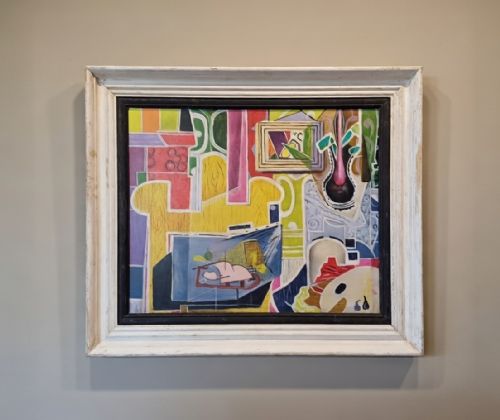
Abstract expressionist art brings gesture and texture directly to the wall, offering strong mid-century compositions built from oil paint, canvas, and board.
Abstract Expressionist Art
When you search for abstract expressionist art, you encounter mid-century paintings and works on paper created across the decades leading up to the 1960s. These pieces explore form through expressive brushwork, still lifes, cityscapes, and non-representational compositions.
The selections available on this page run from 1930s art deco abstract oil paintings to bold 1960s canvases. Works span oil paintings, wall art, ink drawings, and mixed media pieces executed by named artists and anonymous makers alike.
Origins stretch across English, French, Spanish, and German studios, bringing together mid-century modernism, german expressionism, and avant-garde figuration. Most examples date from the 1950s and 1960s, capturing a period of intense experimentation in paint and board.
How they were made
Makers built these works using oil paint, acrylic, ink, and watercolour applied to canvas, wood board, thick paper, and glass supports. Impasto techniques appear frequently, laying paint on thickly to build physical relief and tactile depth on the surface.
Artists also utilised mixed media and traditional printmaking methods, such as woodcuts in colours. Canvases and boards were framed to house these dynamic compositions, preserving the raw energy of brush and ink.
A fantastical animal named Astra the lion makes an appearance among the mid-century woodcuts.
What varies in quality
Quality rests in the handling of medium and the sureness of the composition, whether the work is an oil painting, an ink drawing, or a mixed media piece. Stronger examples demonstrate confident mark-making and deliberate interaction between colour and support.
The integration of surface texture, such as heavy impasto or controlled relief, distinguishes ambitious works from simpler student exercises. Provenance and clear artist attribution further elevate individual pieces within the field.
Lilian Colbourn·Tony Giles·Derek Latimer Sayer·William McCance·Peter Jackson·Adrian Heath·Lester Epstein·Antonio Ferri·Burr Singer·Richards Rubin·William Ernst Burwell
The Abstract Expressionist Art Glossary
- Impasto
- Paint applied thickly to a canvas or board so that it stands out from the surface. This technique allows brush marks and palette knife strokes to retain their three-dimensional shape once dry.
- Expressionism
- An artistic style where the artist seeks to depict emotional experience rather than physical reality. Works in this mode often employ distorted forms and bold, non-naturalistic colours.
- Mixed media
- An artwork created using more than one medium or material on the same support. Artists combine elements like oil paint, ink, and collage to build complex surface textures.
- Woodcut
- A relief printing technique where an artist carves an image into the side of a block of wood. Ink is applied to the raised areas and transferred to paper under pressure.
- Avant-garde
- Art that applies experimental concepts and rejects established conventions. These pieces push boundaries in subject matter, perspective, and application of paint.
Abstract Expressionist Art: Frequently Asked Questions
What periods do these paintings date from?
The pieces span the 1930s through to the 1960s, capturing the height of mid-century modernism and abstract experimentation.
Most items originate in the post-war decades of the 1950s and 1960s, reflecting active artistic movements across Europe.
What materials were used by the artists?
Makers worked primarily with oil paint on canvas or wood board, alongside acrylic, ink, and watercolour on paper.
Some compositions incorporate mixed media and heavy impasto techniques to create raised textures on the surface.
How do I hang and display these works?
Many paintings arrive framed and ready for wall display, while others on canvas or board offer flexibility for custom framing.
Keep them away from direct sunlight and excessive moisture to protect the oil paint, paper, and wood supports.
How are different art styles told apart?
Styles range from geometric art deco abstracts to expressive cityscapes and figurative compositions influenced by German expressionism.
Examining brushwork, subject matter, and the handling of colour helps distinguish mid-century modernism from avant-garde works.