
Silver Dressed Walking Stick
A silver dressed walking stick combines the utility of a traditional support with decorative metalwork suited for daily promenades.
Silver Dressed Walking Stick
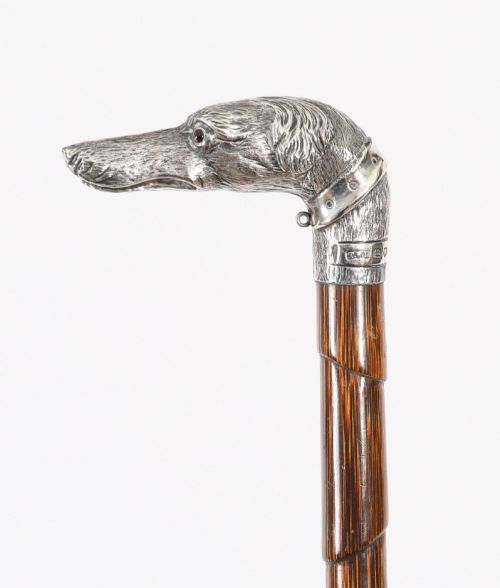
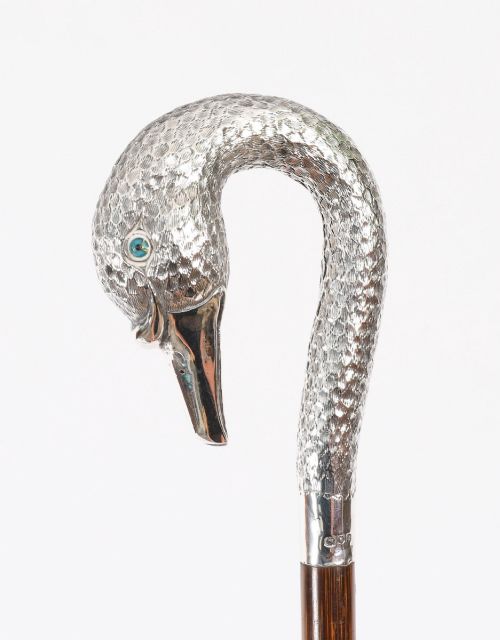
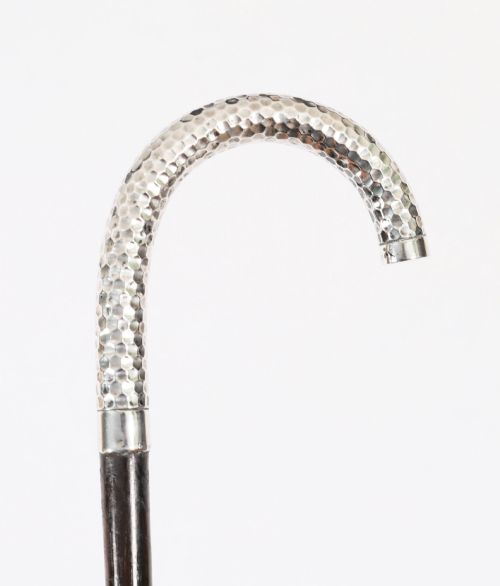
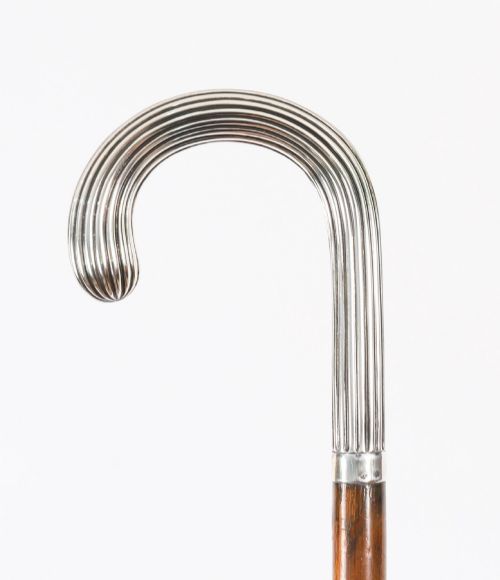
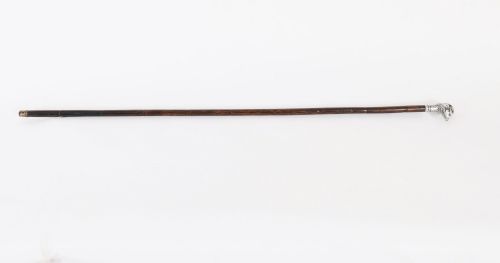
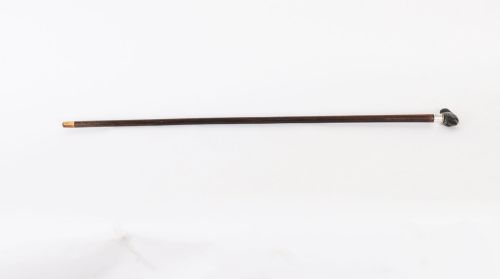
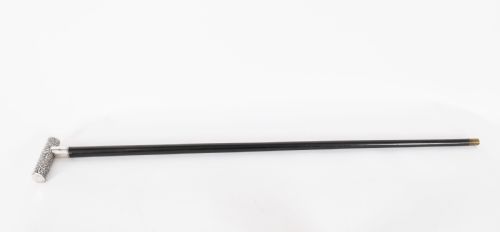
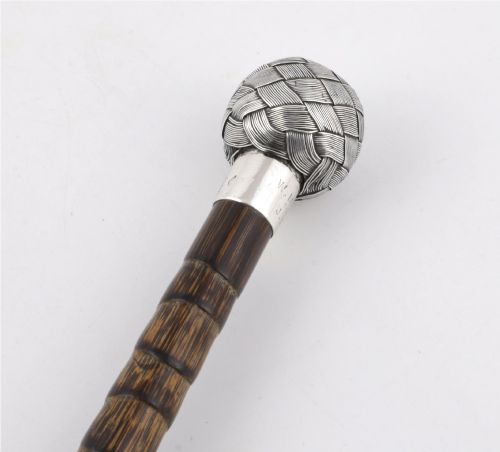
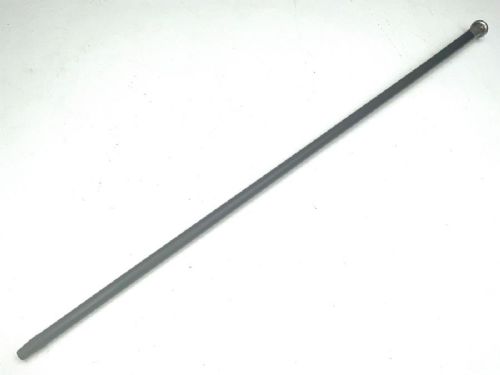
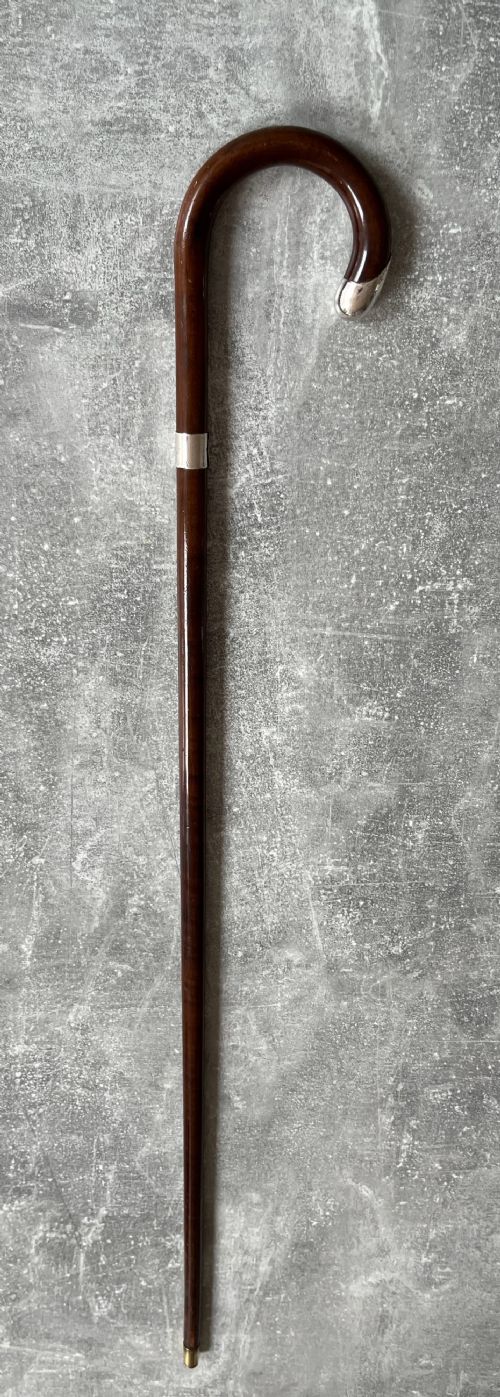
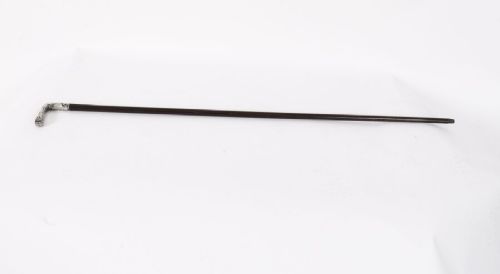
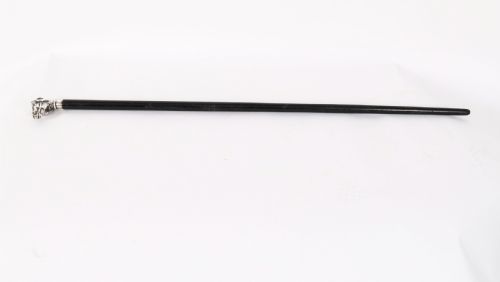
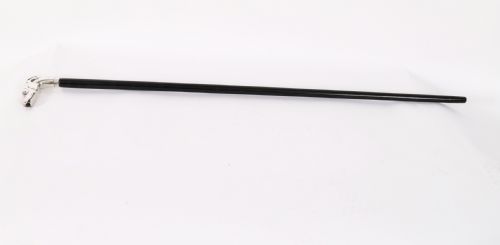
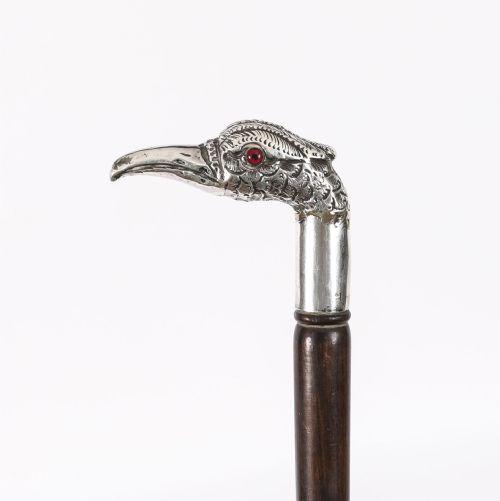
A silver dressed walking stick is a gentleman or lady accessory produced across the nineteenth and early twentieth centuries, encompassing Victorian, Edwardian, and Art Deco periods. These items combine a slender wooden shaft with metal mounts, embossed tops, or figural handles shaped as animals like greyhounds, swans, ducks, and parrots.
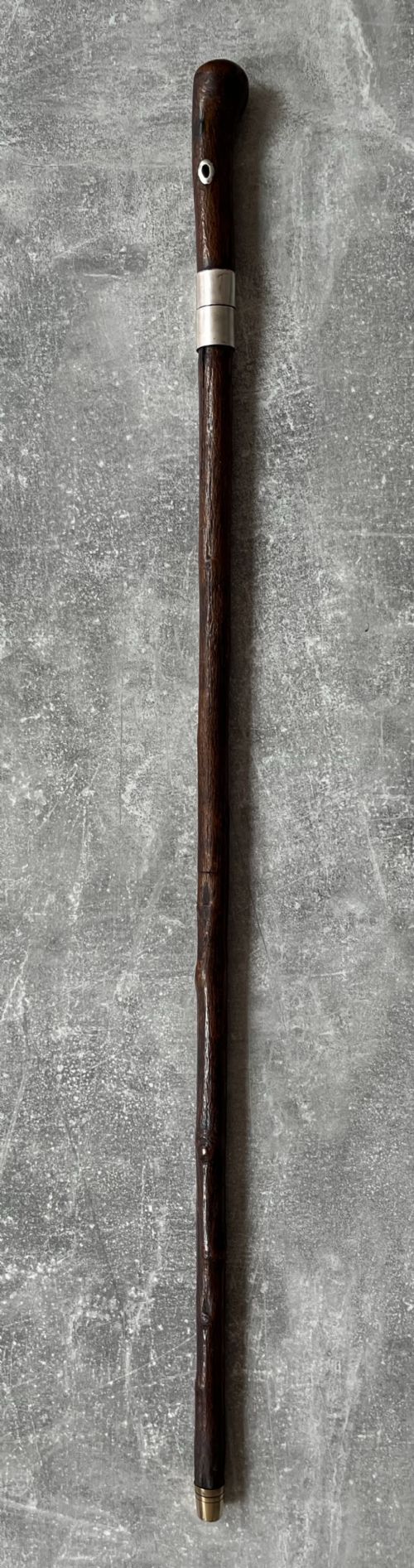
The specimens on this page span British, French, Continental, and Chinese Export origins, including specialised forms such as sword sticks and watch canes. Buyers most frequently encounter nineteenth century and Edwardian examples featuring silver tops paired with ebonised wood, bamboo, palm wood, hazel wood, or snakewood shafts.
Materials and construction
Makers constructed these pieces by joining cast or embossed metal handles to natural wood shafts using internal screws, pins, or collars. The metal elements utilise silver, silver plating, or brass, whilst the shafts rely on hardwoods, ebonised wood, bamboo, and malacca.
Specialised variants integrate functional mechanisms into the shaft or handle, such as hidden blades in sword sticks or watch movements housed within snakewood structures. Metal components often display hallmarks indicating the year and city of assay, particularly on British and Continental pieces.
Listings feature silver, silver-plated, and brass elements paired with ebonised wood, bamboo, malacca, and hazel shafts across multiple historical periods.
Evaluating craftsmanship and design
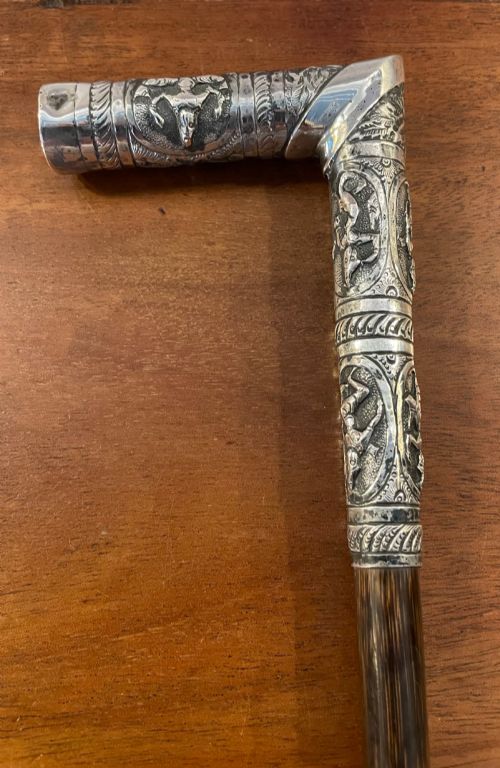
Quality in a silver dressed walking stick rests upon the detail of the handle moulding, the density of the metal, and the pairing of materials. Hand-chased figural handles depicting animals like boars, horses, or pheasants display superior artistic execution compared to plain or simply embossed silver mounts.
The integrity of the shaft material and the precision of the fit between handle and wood determine the durability of the piece. Fine specimens maintain original patination on both the silver top and the underlying hardwood, oak, or bamboo.
The Silver Dressed Walking Stick Glossary
- Ebonised wood
- Timber treated to resemble ebony, providing a dark, uniform finish frequently utilised for nineteenth century walking cane shafts.
- Malacca
- A sturdy rattan cane from Southeast Asia prized for its mottled brown appearance and flexibility, often paired with silver handles.
- Sword stick
- A cane concealing a hidden blade within the wooden shaft, produced for personal defence during the Victorian and Edwardian eras.
- Hallmark
- Official stamps on precious metal items indicating the standard of silver, the assay office, and the year of manufacture.
- Prunus blossom
- A decorative floral motif originating from Asian export pieces, frequently hand-chased onto Chinese silver walking stick handles.
Silver Dressed Walking Stick: Frequently Asked Questions
What periods do these walking sticks come from?
The pieces span the nineteenth century through to the Edwardian period and the Art Deco era of the early twentieth century.
Maker dates and styles reflect Victorian tastes, French Belle Epoque designs, and Chinese Export craftsmanship.
How do I identify a sword stick?
A sword stick contains a concealed blade secured within the wooden shaft by a locking mechanism or friction fit.
Historical examples from this category were carried by gentlemen for protection during the Victorian and Edwardian periods.
What materials are used for the shafts?
Shafts utilise various timbers and natural materials including ebonised wood, bamboo, hazel, palm wood, oak, and snakewood.
Each material offers distinct weight and flexibility characteristics suited to walking canes.
How are figural handles constructed?
Figural handles are cast or hand-chased in silver to depict animal heads, such as greyhounds, swans, ducks, horses, and boars.
These decorative tops are securely mounted to the top of the wooden shaft using internal fixings.