
Antique Silver Sticks
These antique silver sticks span domestic lighting and gentleman's walking supports, offering functional metalwork from the Georgian era to the Art Deco period.
Materials and manufacturing techniques
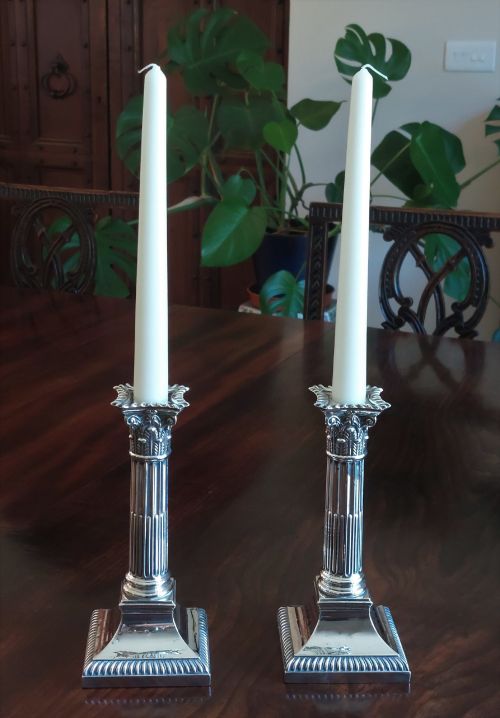
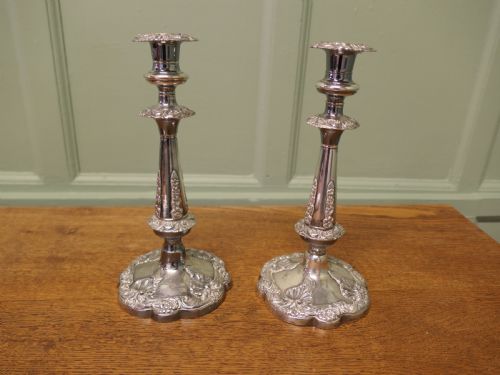
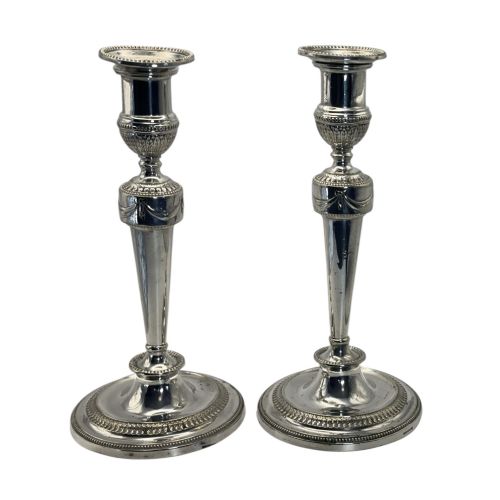
Solid silver items are formed through traditional silversmithing methods, including casting molten metal into moulds, hammering sheets, and hand-chasing decorative details. Corinthian column candlesticks utilise distinct cast capitals and fluted shafts assembled onto weighted bases. Plated items apply a layer of silver over base metals like copper, brass, pewter, or nickel through early plating techniques or Old Sheffield plating.
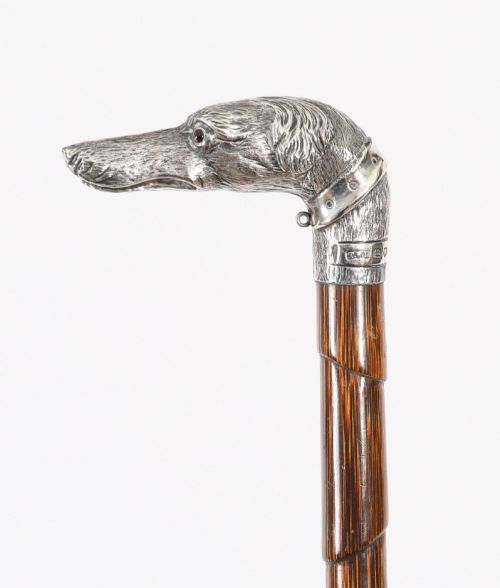
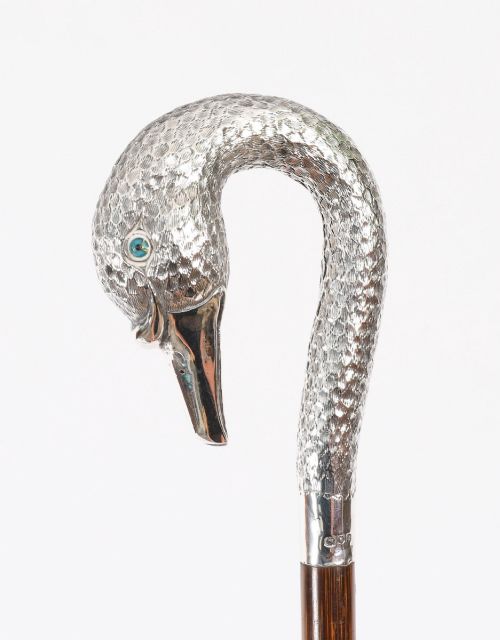
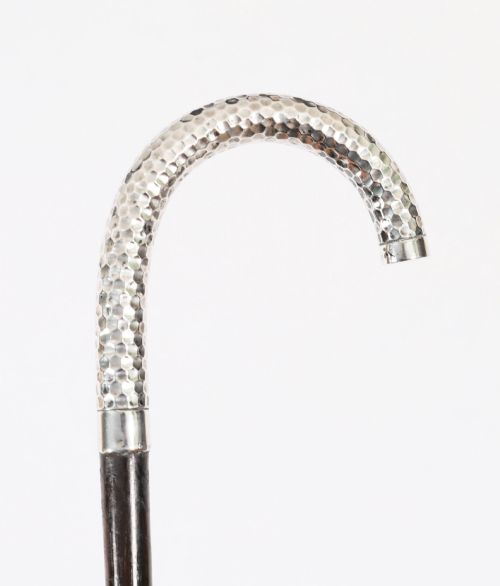
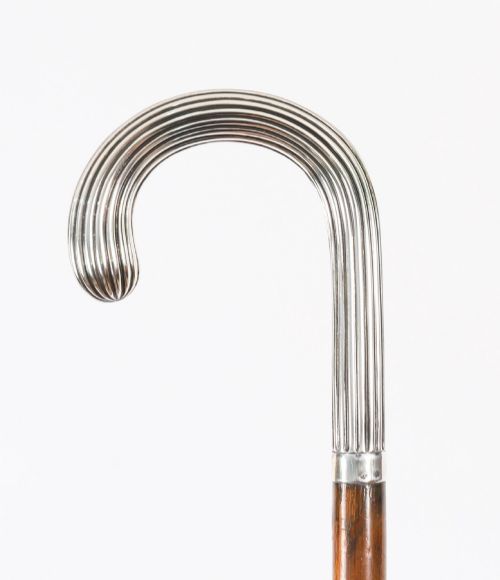
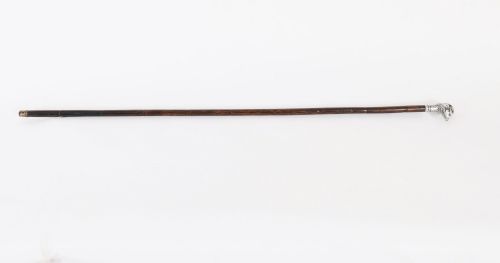
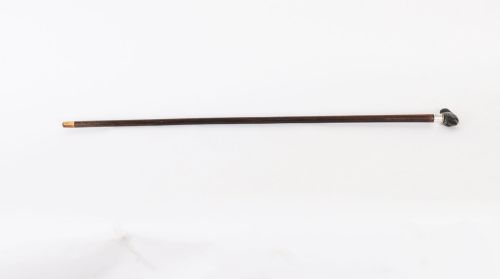
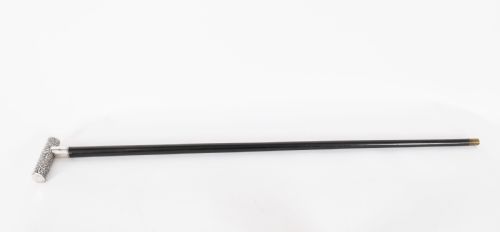
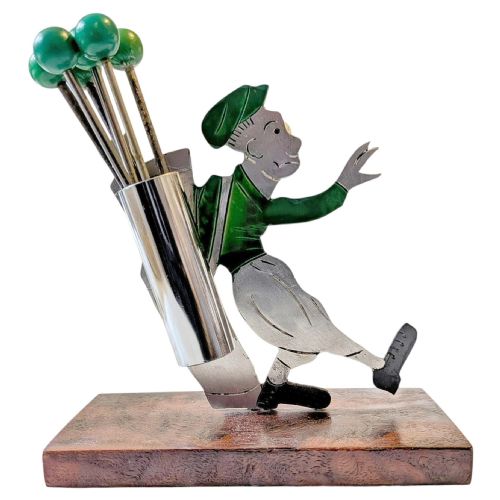
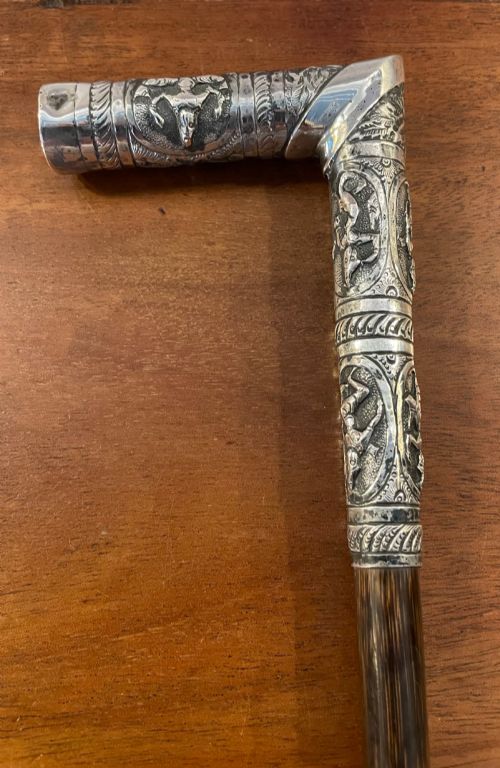
Walking sticks combine metalworking with woodworking, attaching cast or repoussé silver handles to shafts of hazel wood, ebony, malacca, or bamboo. Cocktail sticks utilise cast metal or silver gilt combined with enamel or early plastics like bakelite, while swords hidden inside walking canes feature tempered steel blades produced by makers such as Wilkinson.
Assessing quality in silver sticks
Quality rests in the crispness of the casting and the depth of the hand-chased ornamentation on the silver components. Fine examples display sharp relief in figural handles, animal heads, and architectural column capitals, whereas lower grades show softened details from worn moulds or hasty finishing. The weight and gauge of the silver or the durability of the underlying plate also dictate the substance of the object.
Material pairing influences value, such as the natural grain and straightness of exotic wood shafts on walking canes or the integrity of applied tortoiseshell and enamel. Maker attribution adds distinction, with pieces bearing marks from recognised silversmiths or retailers commanding greater interest than unmarked work.
Form variations range from Corinthian column candlesticks and desk models to novelties including parrot, duck, and greyhound walking cane handles.
Garrard & Co.·Mappin & Webb·Walker & Hall·William Hutton & Sons·Richard Hodd & Son
The Antique Silver Sticks Glossary
- Sterling silver
- An alloy containing 92.5 percent silver by mass and 7.5 percent other metals, usually copper. British pieces typically bear a lion passant hallmark confirming this standard.
- Silver plate
- A layer of silver applied to a base metal core such as copper, brass, or nickel. Older examples utilise Old Sheffield plate, while later pieces employ electroplating.
- Corinthian column
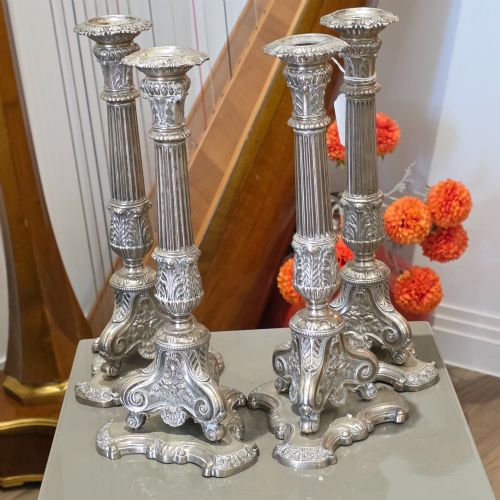
- An architectural style featuring ornate capitals decorated with acanthus leaves, frequently utilised for the shafts of formal candlesticks.
- Chamber stick
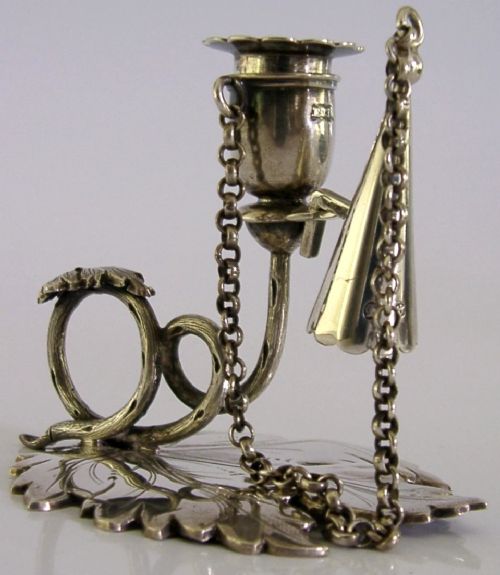
- A low candlestick fitted with a pan to catch dripping wax and a loop handle for carrying from room to room.
- Sword stick
- A walking cane concealing a functional steel blade within its wooden shaft, secured by a locking mechanism.
Antique Silver Sticks: Frequently Asked Questions
How do I date antique silver candlesticks?
Dating relies heavily on hallmarks stamped into the metal, which record the assay office, date letter, and maker's mark. Stylistic clues also help, such as neoclassical columns common in the Georgian period or stepped geometric motifs from the Art Deco era.
Unmarked silver plated items require assessment through design characteristics, construction methods, and manufacturer marks stamped on the base.
What is the difference between a sword stick and a walking cane?
A standard walking cane serves purely for physical support or fashion, featuring a decorative handle made of silver, wood, or horn. A sword stick contains a concealed metal blade locked inside the hollow shaft, functioning as both a walking aid and a hidden weapon.
Both types often share identical exterior mounts and silver handles, requiring the user to pull the shaft apart to reveal the blade.
How were antique chamber sticks used?
Chamber sticks provided portable lighting in large homes before the widespread adoption of electricity. Users held the shallow saucer by its attached finger loop to carry the flame down dark corridors or up staircases.
The wide tray caught melting wax drips and often held a small conical snuffer used to extinguish the flame.
Are silver walking sticks sturdy enough to use?
Most antique walking sticks function adequately for light support, provided the wooden or bamboo shaft remains free from structural cracks. However, many collectors treat them as display items due to the fragile nature of vintage silver handles and antique joints.
Checking the bond between the silver handle and the wooden shaft ensures the piece remains secure during handling.