


Silver Dress Buckle
These silver dress buckle examples span Georgian shoe fasteners to Edwardian enamel belt pieces, offering practical ornament and historical detail.
Silver Dress Buckle
A silver dress buckle serves as a decorative or functional fastener for shoes, belts, and garments across multiple centuries. When exploring a silver dress buckle selection, collectors encounter forms ranging from Georgian shoe fasteners to Edwardian and Art Nouveau belt fixtures.
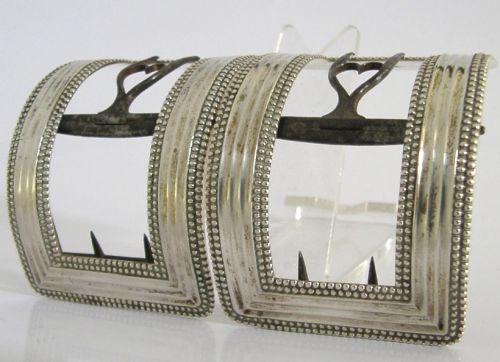
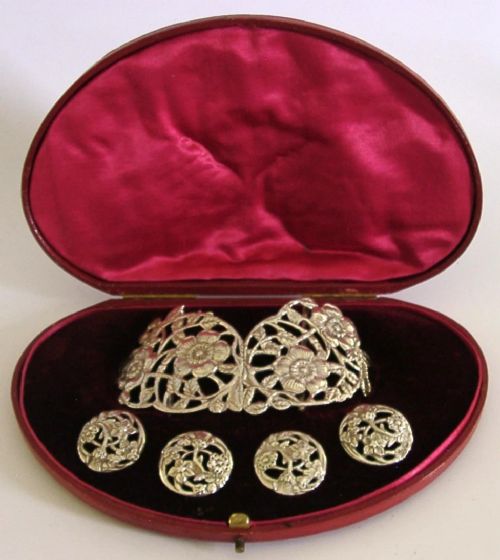
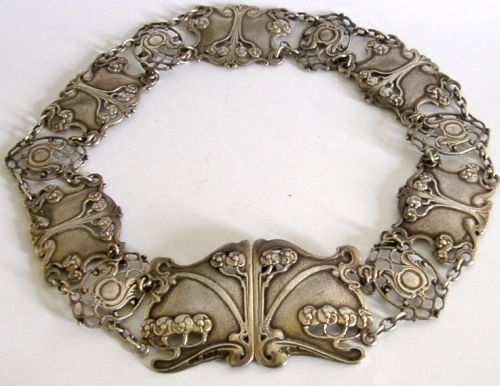
The objects derive from periods spanning the eighteenth century through to the mid twentieth century, including Georgian, Victorian, Edwardian, and Art Nouveau designs. Shoe buckles from the seventeen-fifties and seventeen-sixties sit alongside nineteen-hundreds belt sets and nurse buckles from nineteen-thirty.
How they were made
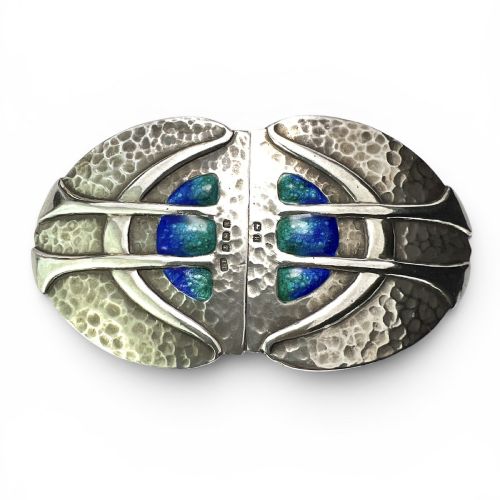
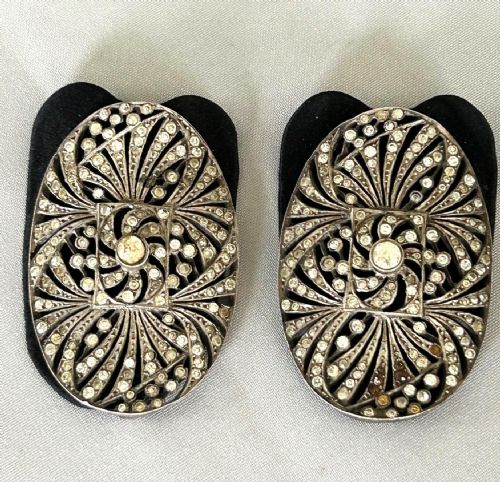
Silversmiths utilised sterling silver, silver, and cast silver alongside steel, pewter, and eighteen-carat gold to form the structural body. Enamel, vitreous enamel, paste glass, crystal, garnet, velvet, and leatherette provide surface decoration and backing components.
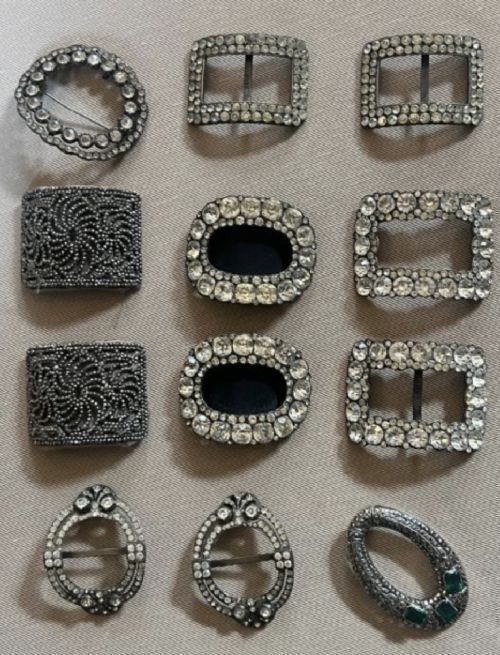
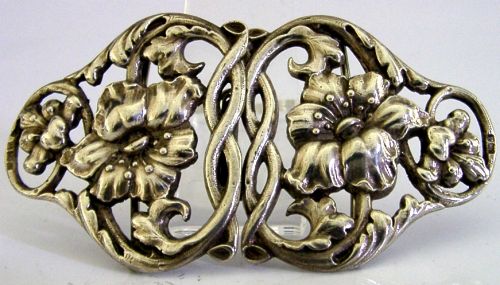
Techniques involve casting, filigree work, and guilloche enamel applied to metal bases. Makers set paste stones into steel or silver frames, combining metalwork with glass or gemstone elements.
What varies in quality
Quality separates through the crispness of cast detail in the silver work and the integrity of set paste or enamel elements. Pieces featuring intact vitreous enamel and well-matched paste stones demonstrate superior manufacture compared to plain utilitarian versions.
The distinction also lies in the complexity of period styles, such as detailed Art Nouveau whiplash lines or intricate Georgian filigree, against simpler stamped metal designs.
James Fenton·Henry Matthews·Liberty's·Peter Behrens for Osiris
The Silver Dress Buckle Glossary
- Paste glass
- Faceted glass used as a substitute for gemstones in historic jewellery and shoe buckles. It is often backed with foil to increase brilliance under candlelight.
- Guilloche enamel
- A decorative technique where a precise pattern is mechanically engraved beneath a translucent layer of enamel. This method appears on Edwardian pieces.
- Filigree
- Delicate openwork jewellery formed from fine twisted silver or gold threads soldered together. It creates a lace-like pattern seen on Georgian items.
- Vitreous enamel
- Glass fused to the surface of metal through high-temperature firing. It provides durable colour on Edwardian and Arts and Crafts examples.
Silver Dress Buckle: Frequently Asked Questions
What are silver dress buckles?
Silver dress buckles are historical fasteners designed for shoes, belts, and garments, made from sterling silver, silver, and other metals.
They incorporate decorative elements like enamel, paste glass, and gemstones across periods from the eighteenth century to the mid-twentieth century.
How were shoe buckles worn?
Eighteenth-century shoe buckles attached directly to shoe straps using metal prongs and a tongue mechanism to secure footwear.
They were interchangeable accessories moved between different pairs of shoes for formal attire.
How do I identify Edwardian buckles?
Edwardian examples frequently display Art Nouveau styles, floral motifs, and vibrant enamel work such as guilloche.
Assay office marks and maker stamps on the silver help confirm the exact decade of manufacture.
Can I wear antique belt buckles?
Many antique belt buckles fit onto compatible textile or leather belts designed to accommodate historic hardware.
Care should be taken with fragile materials like paste glass and enamel during regular wear.