


Victorian Belt Buckle
These victorian belt buckle designs span functional fastening pieces and adapted jewellery forms like rings and bangles crafted across the nineteenth century.
Victorian Belt Buckle
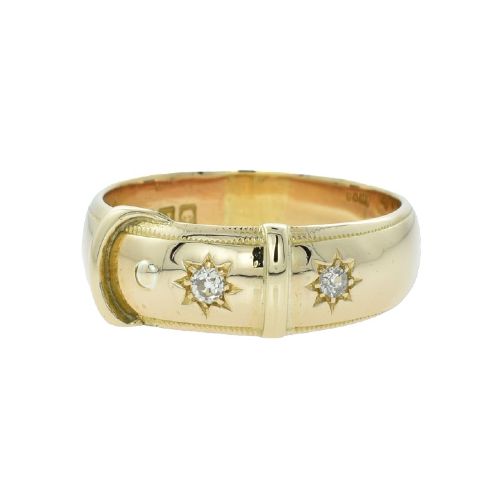
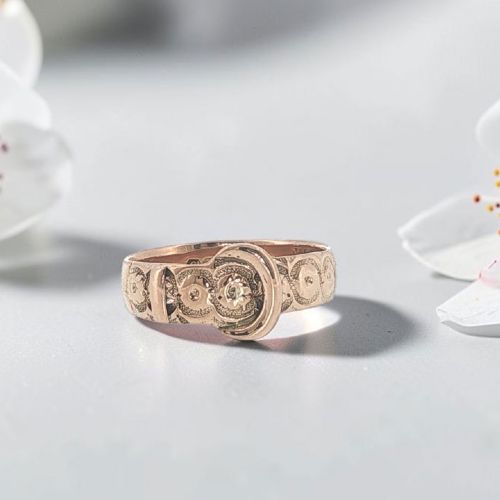
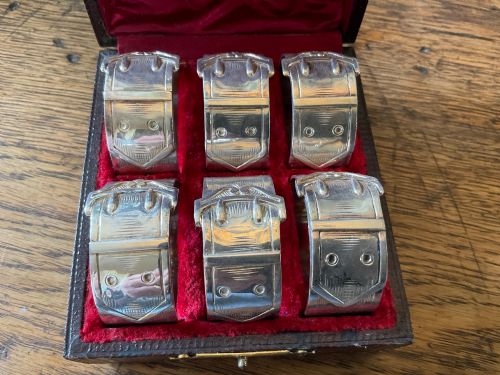
A victorian belt buckle encompasses both traditional waist fastenings in solid silver and gold alongside smaller iterations repurposed into rings, bangles, and napkin rings. The examples on this page cover pieces originating from the Victorian era alongside later items drawing on those same aesthetic traditions.
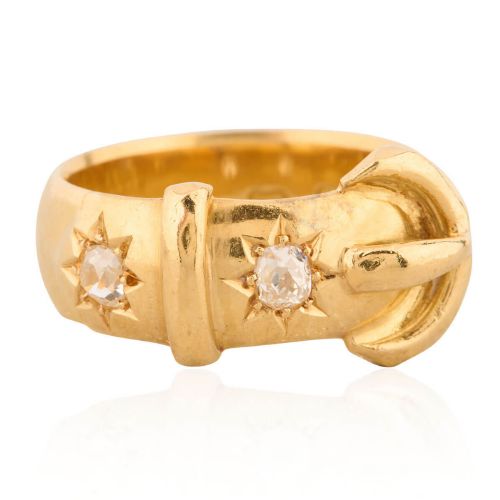
Buyers will find substantive dress buckles alongside wearable jewellery conversions such as 18ct gold buckle rings and silver bangles. The selection ranges from plain metalwork to pieces set with diamonds, garnets, and turquoise.
Origin points span domestic British assay offices to continental workshops, taking in styles from standard Victorian work to Art Nouveau and Austro-Hungarian designs. Functional fastenings sit alongside decorative accessories created for nurses and fashionable wardrobes.
How they were made
Makers utilised sterling silver, solid silver, and gold alloys including 9ct rose gold and 18ct yellow gold to shape these items. Construction often involved casting and piercing the metal to create intricate openwork patterns.
Gemstones such as diamonds, turquoise, garnets, and agate were flush or claw set into the metal foundations. Enamel work and silver gilt finishes were also applied to enhance the decorative surface.
Periods represented span the Victorian era, Edwardian years, and early twentieth-century revivals.
What varies in quality
The distinction between tiers rests upon the weight of the precious metal and the precision of the hand-pierced or engraved detailing. Heavier solid gold and sterling silver specimens demonstrate superior durability and material substance compared to plated alternatives.
Gemstone selection and the crispness of hallmarks dictate the upper tier of these items. Stones with good clarity and secure settings alongside clear town marks elevate the standing of a piece.
Cornelius Saunders & Frank Shepherd·William Hutton & Sons
The Victorian Belt Buckle Glossary
- Assay mark
- A stamp indicating the purity of the precious metal and the office that tested it. These marks help verify the material standard and origin city.
- Silver gilt
- Silver covered with a thin layer of gold. This technique provides the visual warmth of gold while utilising a silver base.
- Openwork
- Metalwork pierced or cut through to create a pattern. This method lightens the weight while adding visual complexity to the design.
- Old cut
- A diamond cutting style prevalent in the nineteenth century featuring a small table and deep pavilion. It yields a softer sparkle than modern brilliant cuts.
Victorian Belt Buckle: Frequently Asked Questions
How were belt buckles worn?
Victorian dress buckles were fastened onto fabric waistbelts as prominent decorative centrepieces of an outfit.
They also appeared on specialised garments, such as nurses' uniforms, where solid silver buckles secured utility belts.
How do I date a piece?
Dating relies heavily on legible hallmarks and assay office letters stamped into the metal.
Stylistic markers, such as Art Nouveau curves or specific gemstone cuts, also assist in narrowing down the period of manufacture.
Are buckle rings historic?
Ring adaptations formed a popular jewellery category during the nineteenth century, translating the buckle motif into finger adornments.
Many incorporate precious stones like diamonds into the belt tongue and loop design.
What is silver plate?
Silver plated items consist of a base metal coated with a thin layer of silver.
This method offered a more affordable route to achieving the appearance of solid silver tableware and accessories.