
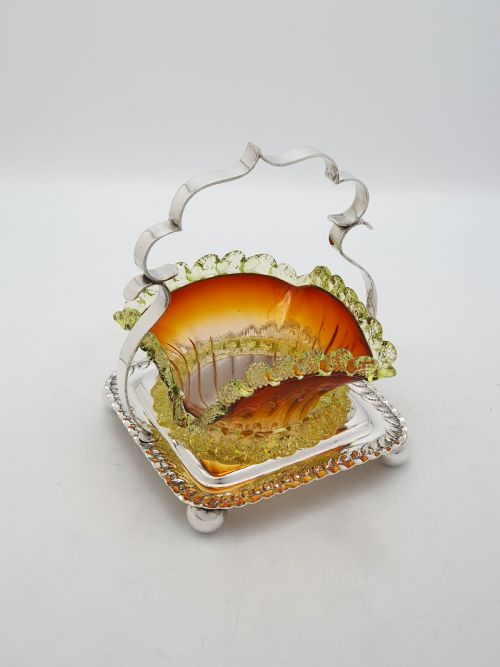


Silver Dish Stand
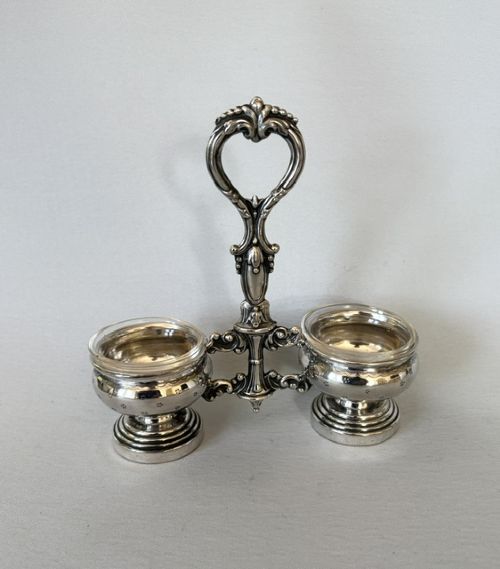
A silver dish stand elevates tableware, combining supportive metal frameworks with glass or ceramic vessels for formal dining.

Silver Dish Stand
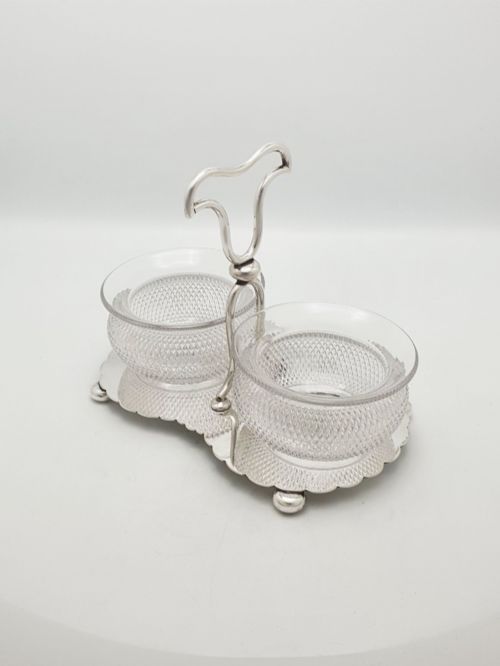
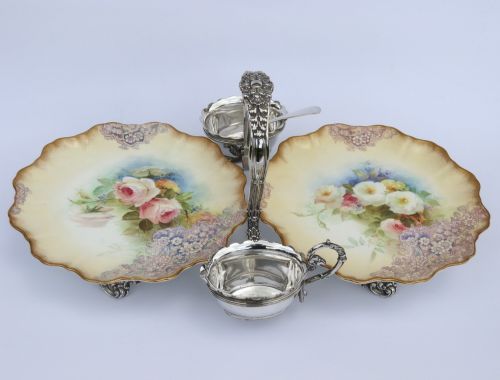
The category encompasses diverse forms ranging from intricate preserve dish holders and sweet stands to larger centrepieces and revolving warming apparatus. Many survivors combine structured metal stands with removable liners in cranberry, vaseline, or cut glass.
Originating largely from British and continental workshops, these pieces reflect formal dining customs where table presentation demanded height and tiered arrangement. Buyers encounter both solid sterling iterations and durable silver plate creations from prolific late nineteenth and early twentieth-century makers.
How They Were Made
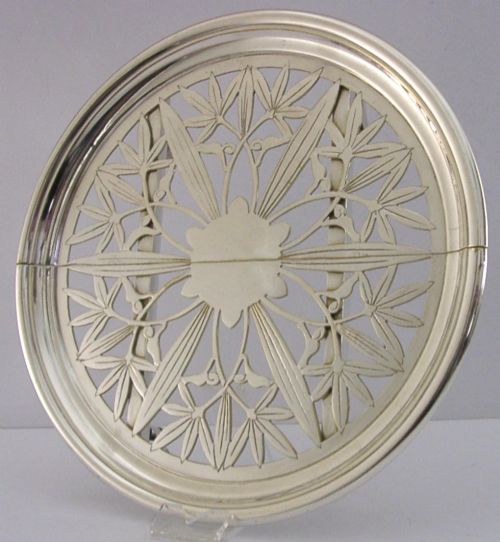
Silversmiths utilised sterling silver or applied heavy silver plating over base metals like nickel silver or pewter to form the supporting frameworks. Piercing, casting, and wirework techniques created intricate openwork galleries, scroll feet, and figural supports.
Glass components were mouth-blown, moulded, or cut to fit specific frames, often featuring distinctive cranberry or vaseline colourations achieved through mineral additives during manufacturing. Metal mounts were subsequently fitted around these glass liners with precise engineering to ensure secure placement.
Listings feature silver plate, sterling silver, and coloured glass items originating from the Georgian period through the 1920s.
What Varies in Quality
Quality rests upon the crispness of cast details, the structural integrity of joints, and the thickness of the applied silver layer or gauge of solid metal. Superior examples exhibit hand-chased ornamentation rather than simple machine stamping, alongside heavier overall weight.
The preservation of original matching glass liners significantly elevates a piece, particularly when paired with scarce colours like amber or vaseline glass. Maker attribution also influences standing, with documented output from established firms commanding greater attention.
Peter and Anne Bateman·Walker and Hall·Mappin and Webb·James Dixon and Sons·James Deakin·William Hutton and Son·Charles Stuart Harris
The Silver Dish Stand Glossary
- Silver Plate
- A thin layer of pure silver bonded to a base metal core such as copper or nickel silver. This technique offered an accessible alternative to solid sterling for elaborate dining wares.
- Sterling Silver
- An alloy consisting of ninety-two point five percent silver and seven point five percent other metals, typically copper. This standard ensured durability while maintaining precious metal purity.
- Cranberry Glass
- A rich red-pink transparent glass created by adding gold chloride to the molten batch. It frequently appeared in late nineteenth-century tableware and preserve containers.
- Vaseline Glass
- A yellowish-green glass coloured with uranium oxide that exhibits a distinct green glow under ultraviolet light. It became highly popular during the Victorian and Edwardian periods.
- Standish
- A portable tray or stand designed to hold inkwells, sanders, and quill pens for a desk. These domestic accessories often mirrored the decorative styles of contemporary dining silver.
Silver Dish Stand: Frequently Asked Questions
What were silver dish stands used for?
These stands held dishes of jam, butter, or condiments above the table surface to save space and display fine glass. They served formal meals by keeping accompaniments accessible to guests.
Larger versions supported centrepiece bowls or warming apparatus for heated courses during Victorian banquets.
How do I clean antique silver plate?
Use a soft cloth and a dedicated silver cream designed for plated items to remove tarnish gently. Avoid harsh abrasive dips that strip the thin silver layer.
Wash glass liners separately in warm soapy water and dry them thoroughly before replacing them in their frames.
Can I use these stands for daily dining?
Most antique stands remain structurally sound for occasional modern entertaining, provided you handle them with care. Hand washing is essential to preserve fragile glass liners and vintage metal surfaces.
Acidic foods should not remain in contact with silver or antique glass for extended periods to prevent surface pitting.
How do I identify the period of a stand?
Examine the hallmarks on solid silver pieces for maker's marks and date letters that pinpoint the exact year of assay. Style indicators such as Edwardian openwork or Art Nouveau whiplash lines also suggest specific eras.
Silver plated items often rely on registration numbers or known manufacturer designs to establish a production timeframe.