

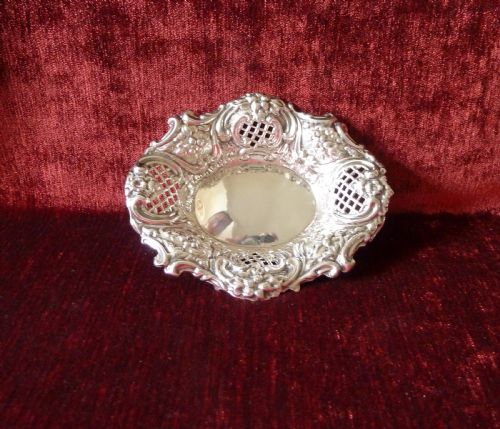
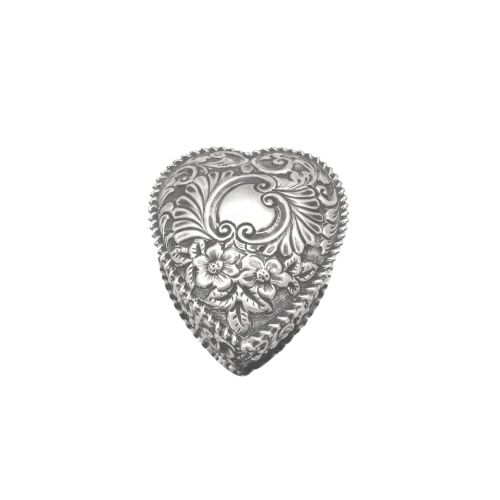
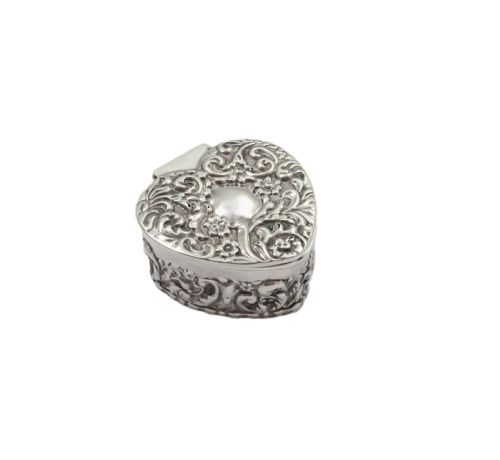


Edwardian Silver Dish Ring
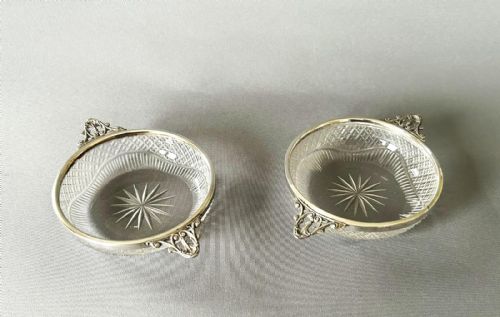
These edwardian silver dish ring examples bring pierced metalwork and Irish revival forms to the table, offering a decorative centrepiece.

Edwardian Silver Dish Ring
An edwardian silver dish ring is a decorative stand designed to hold bowls or dishes on the dining table. The listings and archive show forms originating in Ireland, often pierced and chased with scrollwork.
Most pieces seen here belong to the Edwardian period, alongside related Victorian and George V examples. Buyers also encounter similar forms described as dish rings or potato rings.
The selection includes Irish style solid silver dish rings dating from the early twentieth century. These items reflect a revival of earlier decorative styles adapted for Edwardian dining rooms.
How they were made
Silversmiths utilised sterling silver and solid silver, shaping the metal through piercing and repoussé techniques. Makers created openwork patterns depicting scrollwork, foliage, and figurative motifs.
London, Birmingham, and Dublin assay offices hallmarked these pieces during the Edwardian era and surrounding decades. Construction relies on cylindrical or spool-shaped bands designed to support glassware or ceramic bowls safely.
The listings combine Edwardian and Victorian periods with sterling silver materials and Irish style dish ring forms.
What varies in quality
The depth and crispness of the chased relief work distinguish standard production from superior examples. Finely executed scrollwork and clear hallmarks indicate careful execution by the silversmith.
Substantial gauge silver provides structural rigidity to the pierced body of the ring. Heavier pieces retain their form and detail better through decades of use.
William Neale & Sons·Henry Williamson Ltd·Hopkins & Hopkins
The Edwardian Silver Dish Ring Glossary
- Pierced work
- Metal cut through to create an openwork pattern. Silversmiths used this technique extensively on dish rings to lighten the visual weight of the silver.
- Repoussé
- A method of shaping metal by hammering from the reverse side to form raised relief patterns. This technique creates the prominent scrolls and motifs seen on Irish style rings.
- Assay office
- An official body that tests the purity of precious metals and stamps items with hallmarks. Marks from London, Birmingham, and Dublin appear on these pieces.
- Sterling silver
- An alloy containing a high proportion of pure silver. Most items in this category utilise this standard of metal.
Edwardian Silver Dish Ring: Frequently Asked Questions
What is an edwardian silver dish ring used for?
These items served as stands or coasters on the dining table, originally holding glass bowls or serving dishes above the surface.
Today they function primarily as decorative centrepieces or display items on sideboards and tables.
How do I identify an edwardian silver dish ring?
Look for cylindrical pierced silver bands decorated with repoussé scrollwork, foliage, and sometimes Irish revival motifs.
Check for hallmarks indicating London, Birmingham, or Dublin manufacture during the early twentieth century.
Are all dish rings Irish?
Many examples follow the tradition of eighteenth-century Irish potato rings, featuring pierced panels and scroll decoration.
Silversmiths across England and Ireland produced these revival styles during the Edwardian period.
How do I care for solid silver dish rings?
Clean the silver gently with a soft cloth and specialised polish to maintain the finish without damaging the chased relief details.
Store the piece in a dry environment to minimise tarnishing on the pierced metalwork.