



Silver Trivet Stand
A silver trivet stand protects the dining table and elevates tea service, bringing solid silver, plate, glass and porcelain to the room.

Silver Trivet Stand
A silver trivet stand serves as a protective base for hot teapots, dishes and warmers on the dining table. When you search for a silver trivet stand, you encounter pieces designed to hold tea vessels or serving dishes safely above wooden surfaces.
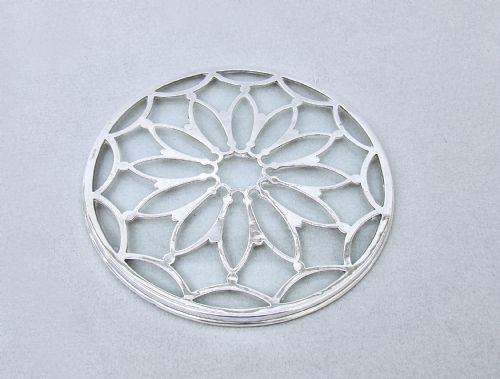
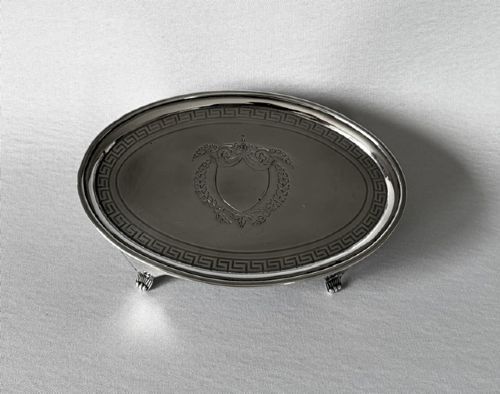
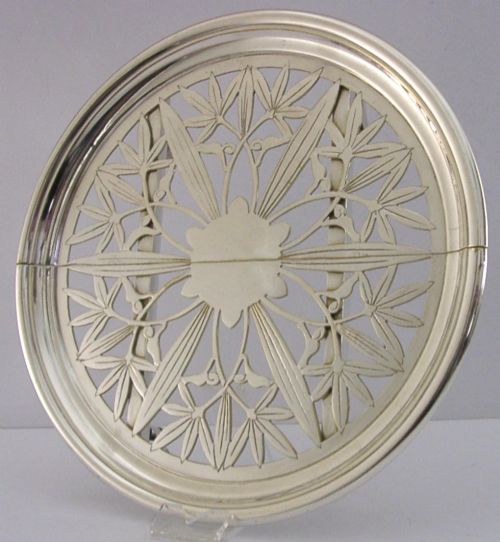
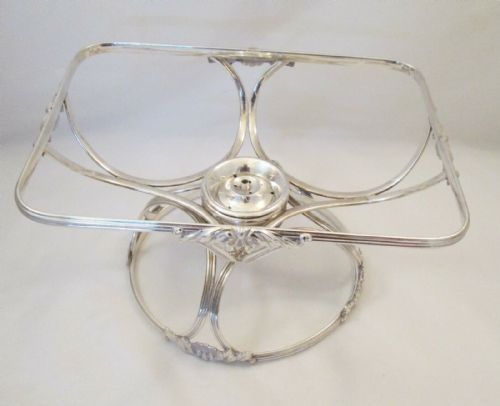
The selections span forms such as teapot stands, coasters, dish rings, dish warmers and table plateaux. These items appear across Georgian, Victorian, Edwardian, Art Nouveau and Art Deco periods, showing origins in England, Ireland and France.
The most common examples on this page combine sterling silver or silver plate with glass inserts, wood bases, porcelain or mirrored centres. They range from simple George III sterling pieces to extendable Art Deco plate designs and rotating Victorian dish rings with burners.
What varies in quality
Quality in a silver trivet stand rests on the weight and purity of the metal, whether solid sterling silver or substantial silver plate over base metal. Heavier gauges of silver provide durability and retain crispness in pierced or embossed ornamentation.
The choice of secondary materials marks another distinction, from plain wood and standard glass to fitted bevelled mirror plates, Staffordshire china and intricate crystal inserts. The precision of the joinery between metal mounts and glass or wood determines the structural integrity of the stand.
Listings feature sterling silver and silver plate combined with glass, wood, porcelain and mirrored glass across Georgian to Art Deco periods.
Harrods Ltd·Christofle·Elkington
The Silver Trivet Stand Glossary
- Sterling silver
- A silver alloy containing 92.5 percent pure silver by mass, widely utilised for higher-end tablewares. It provides a distinct weight and traditional hallmarks.
- Silver plate
- A layer of silver fused to a base metal core, common in Victorian and Art Deco serving pieces. This technique allowed elaborate forms at a different cost.
- Dish ring
- A spool-shaped stand, often pierced, used to elevate hot dishes or bowls off the table. Irish examples often feature intricate domestic or pastoral scenes.
- Table plateau
- A mirrored or wooden tray base fitted with a silver or plated rim, designed to hold centrepieces or decanters. The mirrored surface reflects light onto the objects placed above it.
- Dish cross
- An adjustable frame with spirit burners, used to keep serving dishes warm on the table during long meals. George III examples show precise mechanical folding arms.
Silver Trivet Stand: Frequently Asked Questions
What is a silver trivet stand used for?
A silver trivet stand supports hot teapots, kettles and serving dishes to protect polished wooden dining tables from heat damage.
Many designs incorporate insulating wooden bases, glass panels or elevated feet to keep heat away from the surface.
How do I clean a silver trivet stand?
Cleaning requires a soft cloth and a gentle silver polish suitable for sterling or plated surfaces. Care must be taken around inset glass, wood or mirrored components to avoid moisture damage.
Harsh abrasives are avoided to preserve the original chased or pierced details on the metal mount.
Are these stands made of solid silver?
Some pieces are fashioned from solid sterling silver bearing town and maker hallmarks, while others consist of silver plate over base metals.
Listings specify the material used, distinguishing between sterling silver and silver-plated or mixed-media constructions.
How can I tell the period of a trivet?
Periods are identified through stylistic cues such as Georgian piercing, Victorian ornamentation, Edwardian neoclassical lines or Art Deco geometric forms. Hallmarks and registration marks provide further dating evidence.
Materials like Staffordshire china or mirrored plateaux also align with specific manufacturing decades.