

Silver Dish Bowl
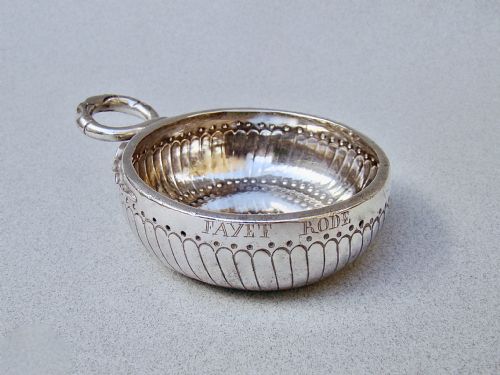
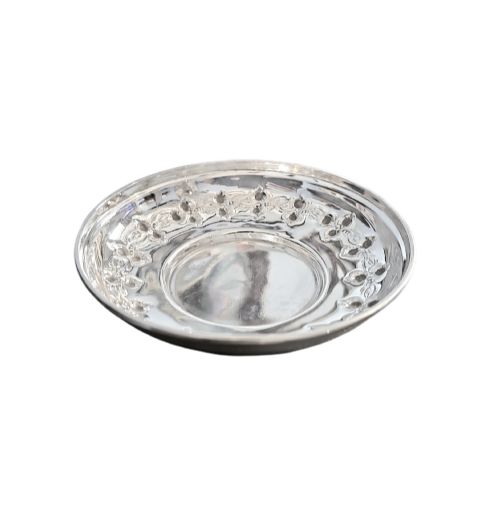
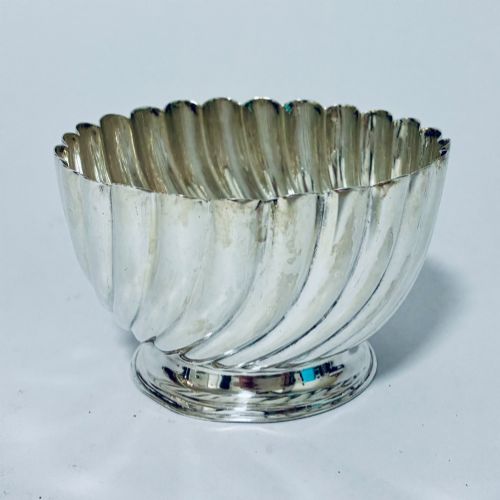
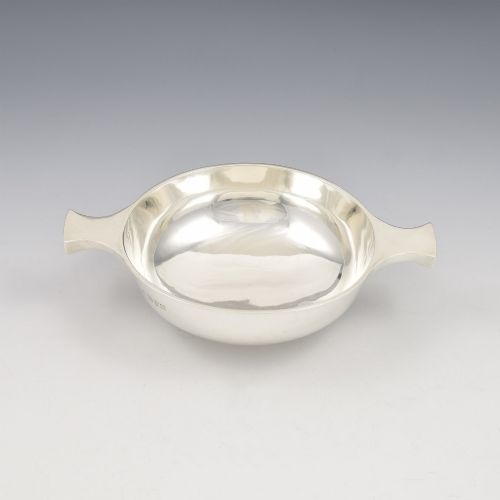
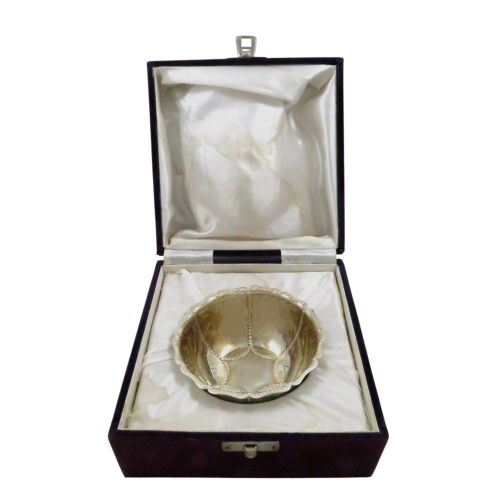
When you search for a silver dish bowl, you are looking at hollowware crafted for display, dining, and holding sweets or fruit.
Silver Dish Bowl
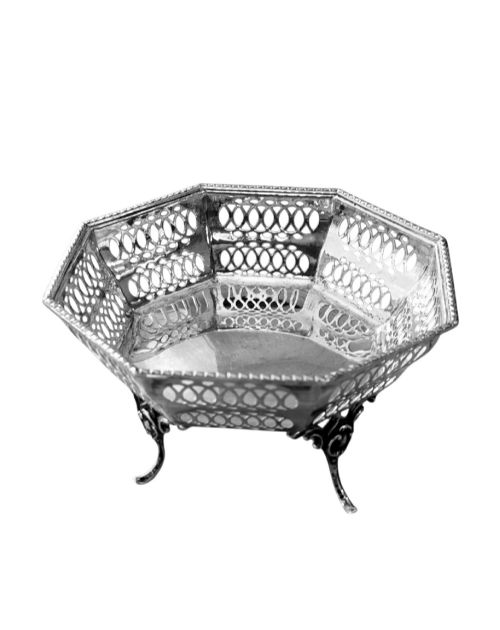
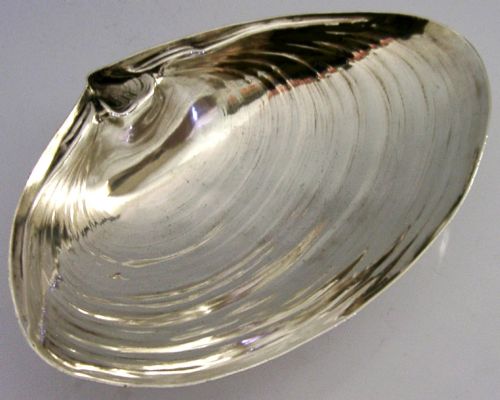
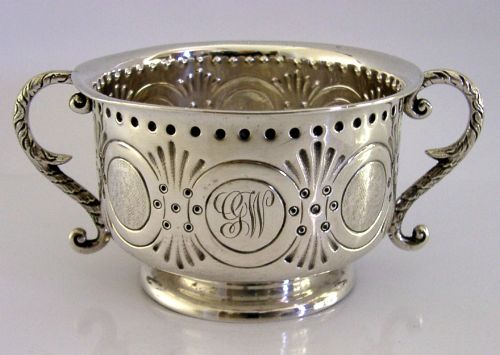
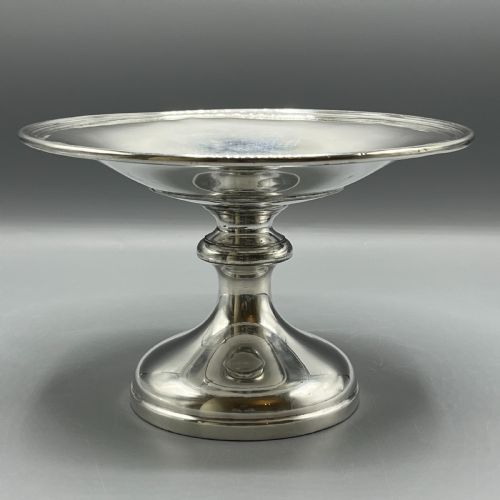
A silver dish bowl encompasses a varied group of domestic hollowware items spanning from the nineteenth century through the mid twentieth century. These objects include decorative bowls, trinket dishes, sugar baskets, bonbon dishes, and tazzas designed for utility and presentation on the table.
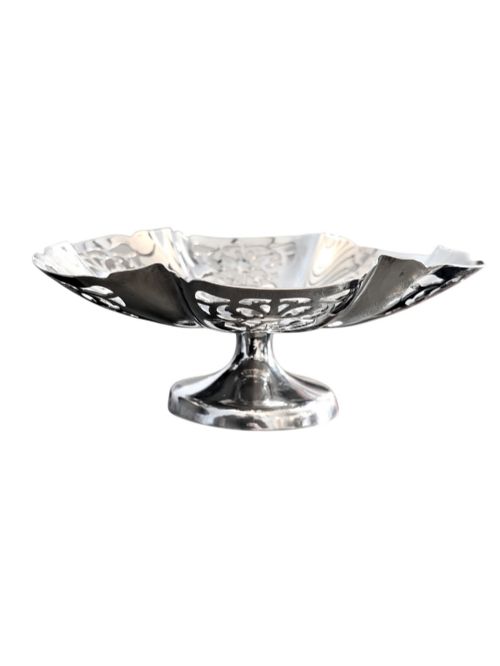
The pieces you will most frequently encounter on this page originate from the Victorian and Edwardian eras, alongside later George V and mid century examples. Forms range from simple pedestal feet and swing handled baskets to complex Art Nouveau and Arts and Crafts creations.
Makers from various regions contributed to this category, encompassing English provincial silversmiths, London retailers, and international firms. Their output reflects the shifting tastes of domestic interiors, moving from ornate revival styles to clean modernist lines.
How they were made
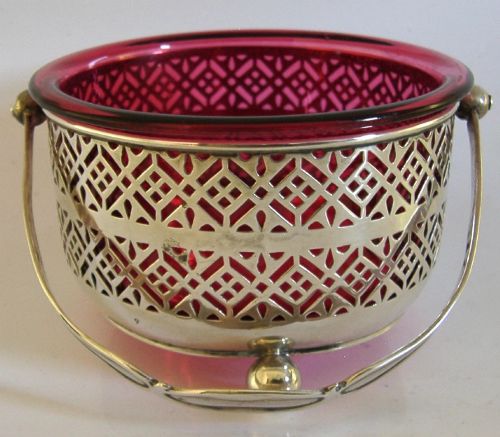
Silversmiths utilised sterling silver, solid silver, and silver plate over base metals, often combining metalwork with contrasting materials like cranberry glass, clear cut glass, and blue enamel. Pieces were shaped through hammering, casting, piercing, and mounting, resulting in structured forms such as swing handled baskets and footed bowls.
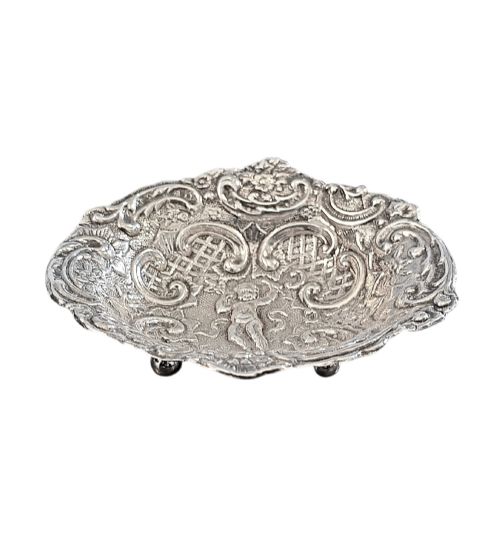
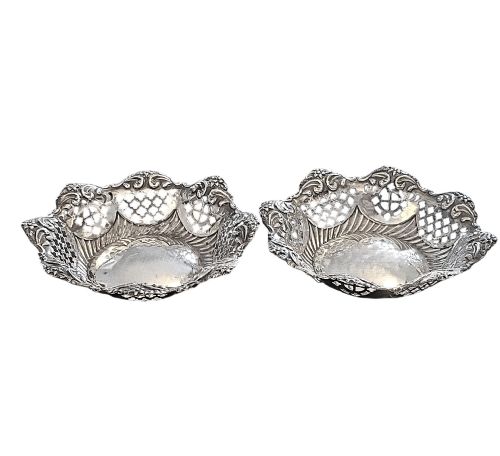
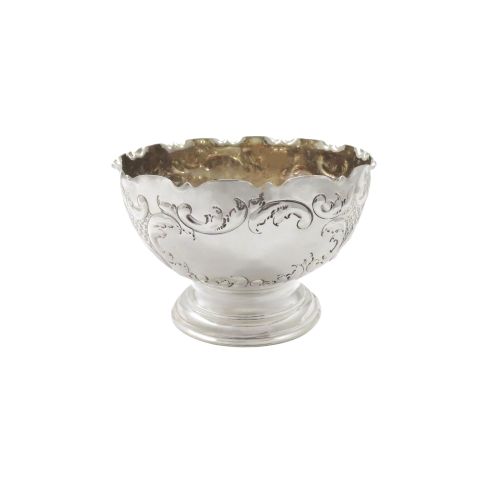
Arts and Crafts examples display visible hand hammering and raised surfaces, whereas Edwardian and Victorian items often incorporate detailed repoussé work, pierced borders, and applied cast decoration. Silver gilt finishes provide internal or total enrichment to presentation bowls and baskets.
Silver Dish Bowl Retail Price Guide 2026
Typical asking prices for silver dish bowl among the pieces listed under this phrase on Sellingantiques today, from the lower quarter to the upper quarter. They describe what is for sale here now, not the wider market.
You can serve sweets from a silver rowing boat complete with miniature oars.
What varies in quality
The standard of a silver dish bowl depends largely on the weight of the metal utilised, the crispness of the hand-chased or hammered detail, and the integrity of any structural mounts. Heavier gauges of silver resist denting and maintain sharper decorative lines over decades of handling.
Artistry in design separates standard commercial production from bespoke studio output, particularly within the Arts and Crafts and Art Nouveau movements where hand-formed execution dictates value. The inclusion of original fitted liners, matching spoons, or associated presentation cases also elevates the standing of an individual piece.
William Aitken·Mitchell Bosley & Co·Viners & Co·Thomas Bradbury & Sons·Stephan Wekeva·Nathan & Hayes·A E Jones·Goldsmiths and Silversmiths Company·Liberty & Co·Oliver Baker·Tiffany & Co·Mappin & Webb
The Silver Dish Bowl Glossary
- Bonbon dish
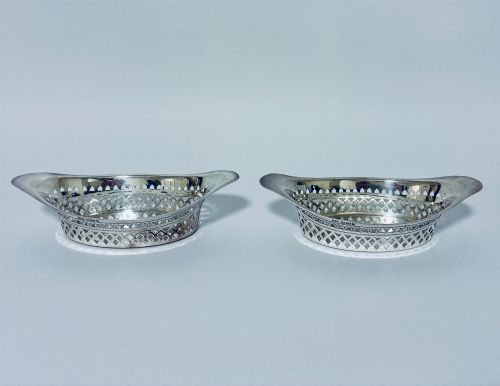
- A small, open vessel specifically created for serving confectionery or bonbons at the table. These often feature pierced decoration or delicate handles.
- Tazza
- An ornamental shallow bowl or cup mounted upon a stem and foot, used traditionally for displaying fruit or sweetmeats. They frequently appear in Arts and Crafts and Edwardian silver collections.
- Repoussé
- A method of metalworking where a design is hammered into relief from the reverse side of the object. This technique defines much of the ornamentation on Victorian hollowware.
- Silver-gilt
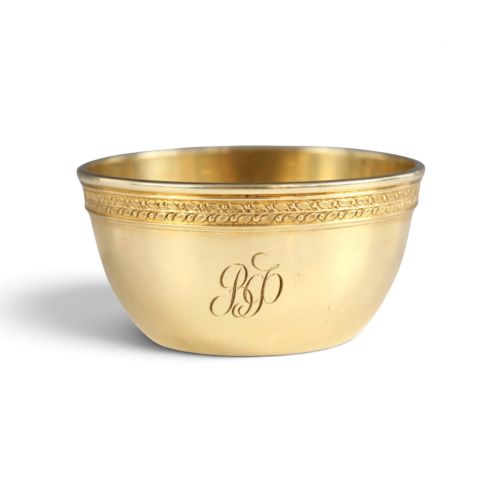
- Silver that has been coated with a thin layer of gold on its surface, often applied to the interior of presentation bowls and baskets. It provides a rich contrasting colour and protects the silver from certain foods.
Silver Dish Bowl: Frequently Asked Questions
What is the difference between a bowl and a dish?
In silver hollowware, a dish is generally shallower and wider, designed for holding small items or individual servings. A bowl possesses greater depth and capacity for holding fruit or floral arrangements.
Both forms overlap significantly in antique nomenclature, particularly in functional categories like bonbon dishes and decorative bowls.
How do I care for silver bowls?
Regular, gentle dusting with a soft cloth prevents the accumulation of grime in chased and pierced recesses. When polishing is necessary, use a non-abrasive silver cream and avoid excessive rubbing on plated surfaces.
Store pieces away from direct sunlight and damp environments to maintain the stability of any integrated glass liners or enamel work.
What are swing handled baskets used for?
Swing handled baskets were primarily utilised for serving fruit, bread, or sugar lumps at formal dining tables. The movable handle allowed for easy passing between guests during tea and dessert services.
Today, they function as decorative centrepieces or open display items within domestic interiors.
How do I identify the period of a silver bowl?
Hallmarks stamped into the metal provide the most reliable method for dating British silver, revealing the assay office, date letter, and maker's mark. Stylistic indicators such as heavy Victorian casting, Edwardian rococo revival scrolls, or hammered Arts and Crafts surfaces offer immediate visual clues.
Examining the construction methods, such as soldered joints and gauge thickness, further supports chronological attribution.