
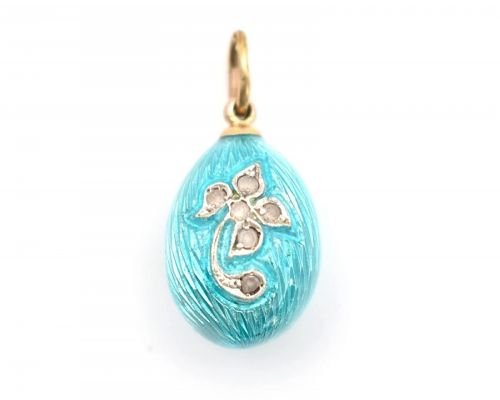
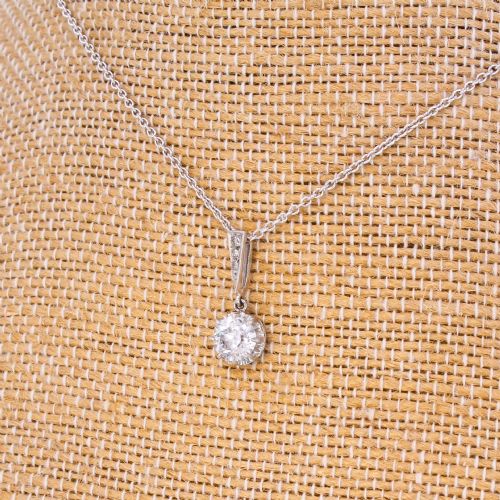


Silver Diamond Pendant
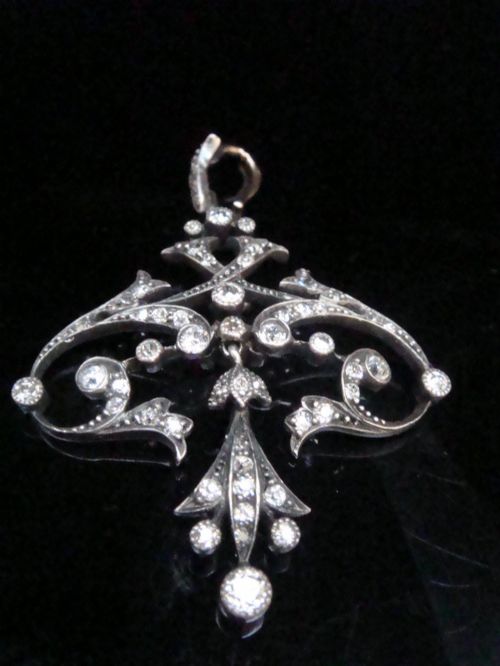
A silver diamond pendant captures the meticulous handiwork of past centuries, suspended on fine chains or pinned as versatile brooches.
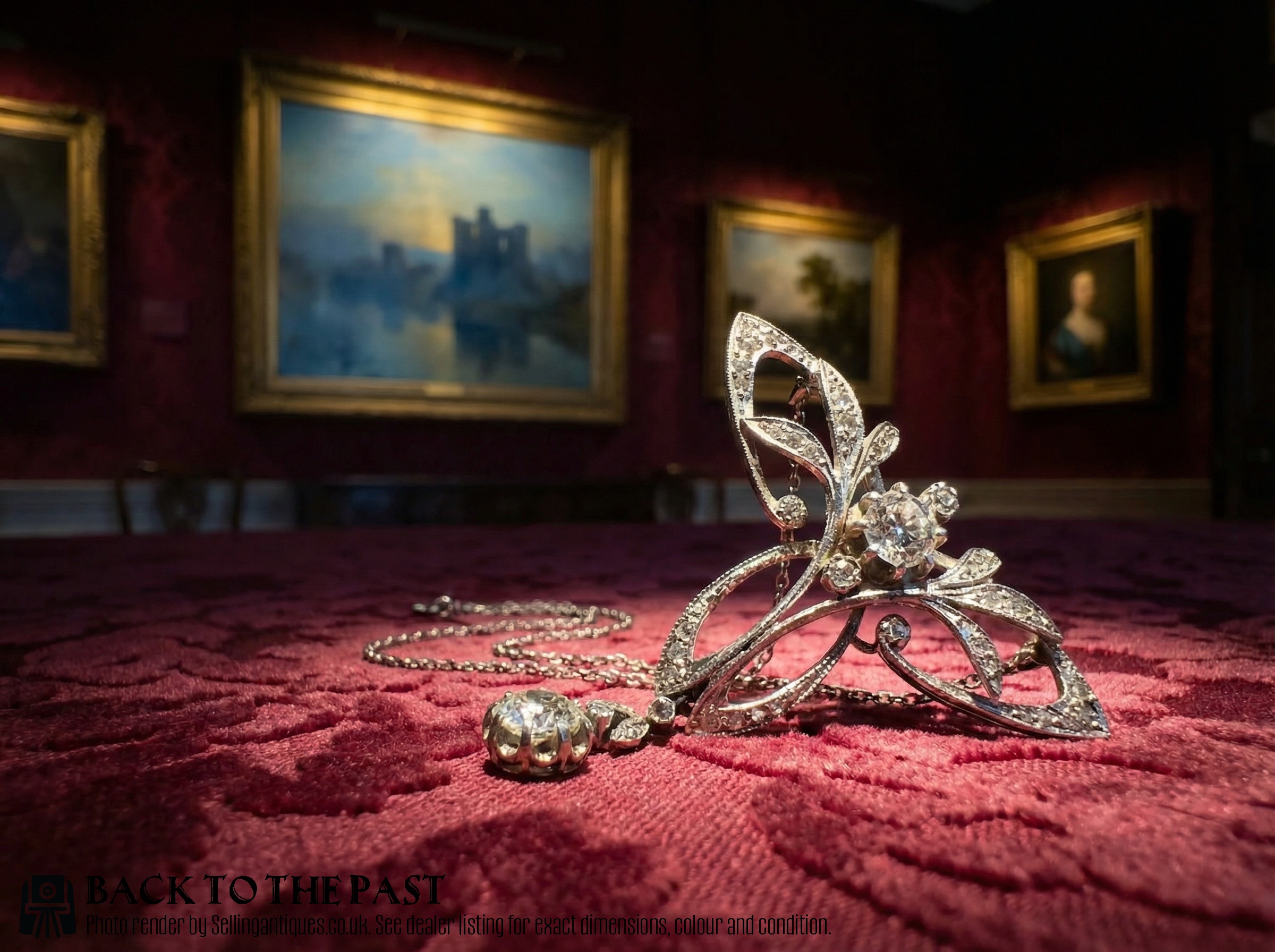
Silver Diamond Pendant
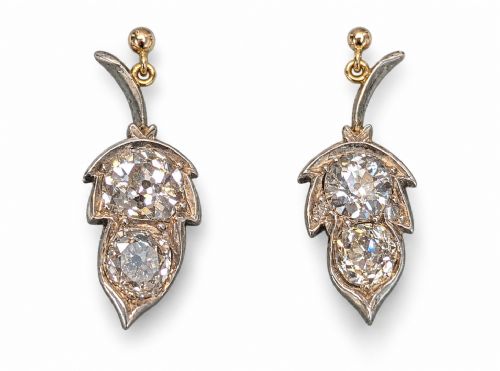
A silver diamond pendant unites sparkling stones with historic metalwork, frequently appearing alongside convertible brooch fittings and drop earrings in the listings.
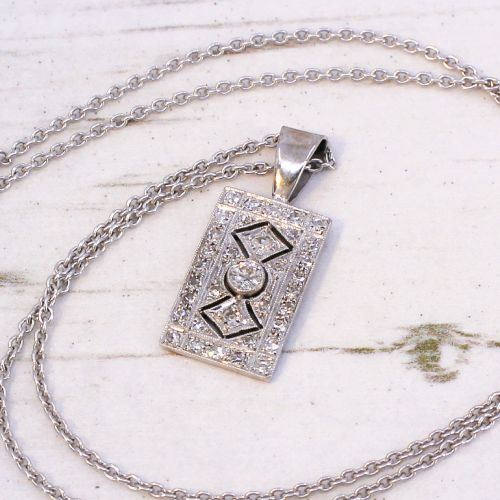
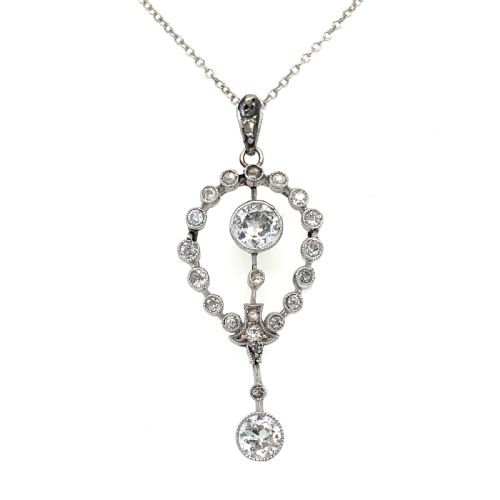
Makers across the Georgian, Victorian, Edwardian, and Art Deco periods shaped these items into stars, flowers, lavalieres, and geometric cluster designs.
The inventory demonstrates that many pieces incorporate additional gems such as sapphires, rubies, opal, turquoise, and pearl alongside the central diamonds.
Materials and construction
Metals such as silver, gold, and platinum were employed to mount old cut and rose cut diamonds, often pairing silver on the face to reflect candlelight with gold or platinum structural support underneath.
Craftsmen utilised detailed piercing, foil backs, and foliate mounts to enhance stone brilliance before modern cutting techniques developed.
Several Victorian and Edwardian pieces take the form of glittering insects and birds, including monkeys, butterflies, flies, and feathered creatures.
Evaluating quality and execution
Distinction across the range lies in the precision of the stone cutting, the integrity of the silver and gold settings, and the harmony of secondary gems like rubies or sapphires.
Superior items maintain original convertible mechanisms and unbroken foliate or starburst frames that show minimal wear on the metal surfaces.
The Silver Diamond Pendant Glossary
- Old cut
- A diamond facet style popular in antique jewellery, featuring a smaller table and higher crown designed to catch candlelight. These stones display softer, broader flashes than modern brilliant cuts.
- Rose cut
- A vintage diamond shape with a flat base and a domed crown of triangular facets resembling an opening rosebud. This cut was favoured during the Georgian and Victorian eras.
- Lavaliere
- A pendant design featuring a drop suspended below a necklace chain, popular during the Edwardian period. The style often incorporates swinging gemstones that move with the wearer.
- Convertible brooch
- An antique ornament fitted with a removable pin and hidden loop, allowing the piece to function as either a breast brooch or a hanging pendant. This versatility was common in Victorian and Edwardian design.
Silver Diamond Pendant: Frequently Asked Questions
How do I wear an antique silver diamond pendant?
These pieces hang from modern or period chains to sit near the collarbone, often shifting between a necklace and a brooch thanks to integrated convertible fittings.
Securing the piece correctly ensures the safety of the older pin mechanisms and delicate silver mounts during daily use.
What periods do these pendants come from?
The available selection spans Georgian, Victorian, Edwardian, Art Nouveau, and Art Deco eras, reaching into the mid twentieth century.
Each period brings distinct mounting styles, from Georgian rose cut clusters to clean Edwardian platinum lines and symmetrical Art Deco geometric motifs.
Are other gemstones combined with the diamonds?
Many designs incorporate sapphires, rubies, opals, pearls, turquoise, and enamel alongside the central diamonds. These secondary stones add colour and contrast within starburst, floral, and insect motifs.
Such combinations reflect the decorative priorities of nineteenth and early twentieth century jewellers.
How do I care for antique silver settings?
Silver naturally tarnishes over time when exposed to the air, requiring gentle cleaning with specialised cloths rather than harsh chemical dips. Keeping the stones dry preserves the integrity of old metalwork and foil backs.
Storing each item separately prevents scratching against other jewellery pieces.