
Silver Decanter Stand
A silver decanter stand holds bottles and decanters securely on the dining table, combining precious metal with heavy glass for elegant serving.
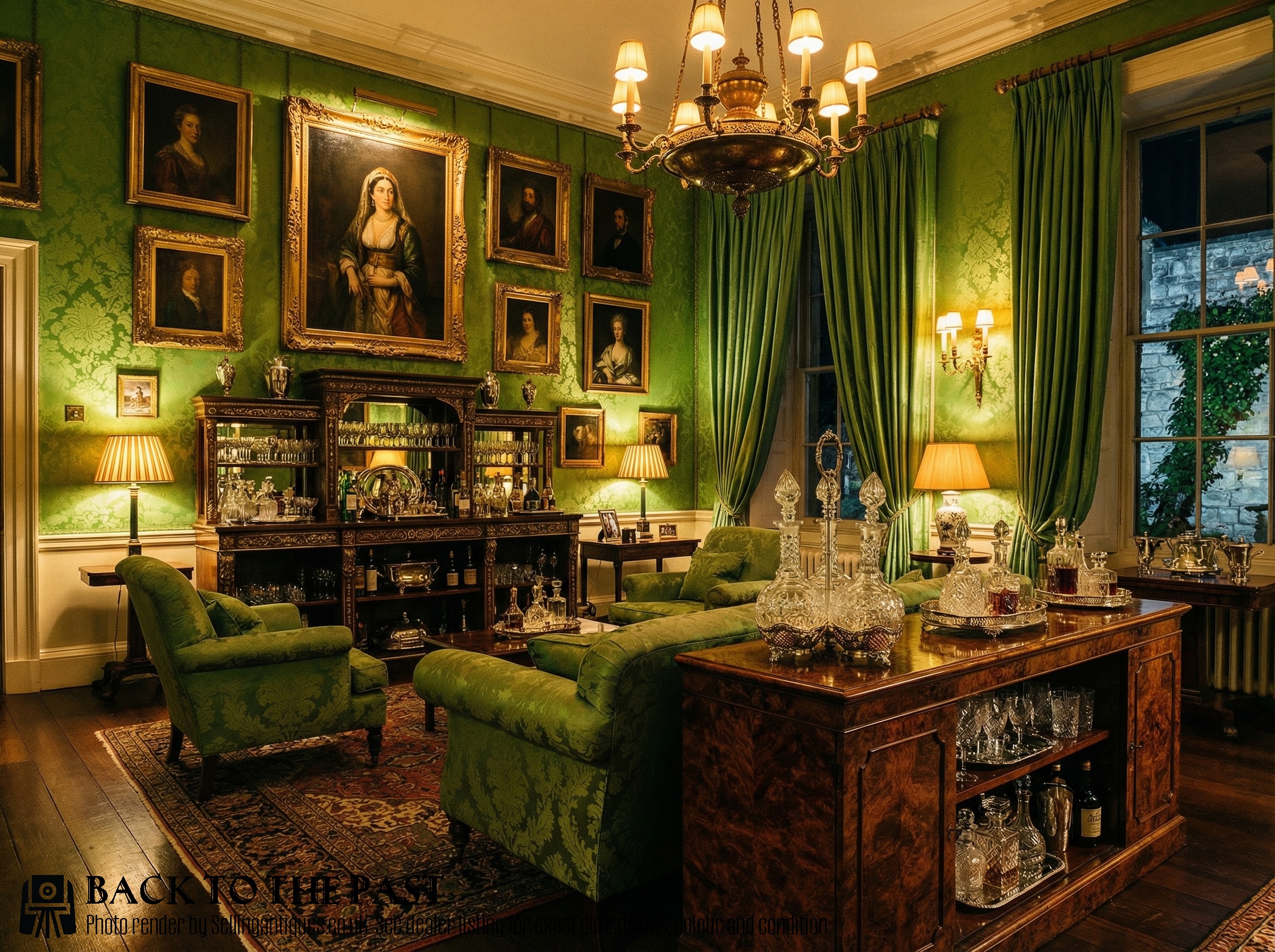
Silver Decanter Stand
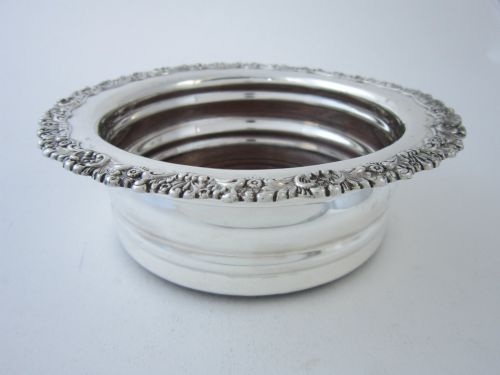
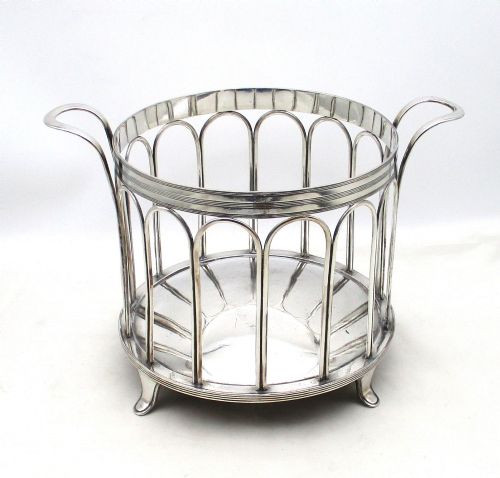
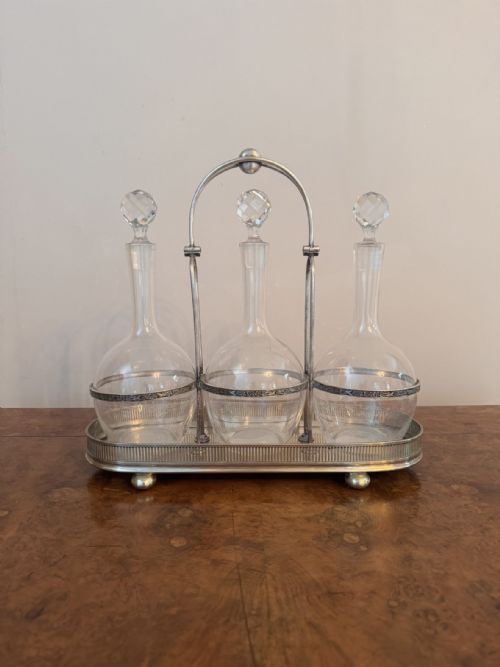
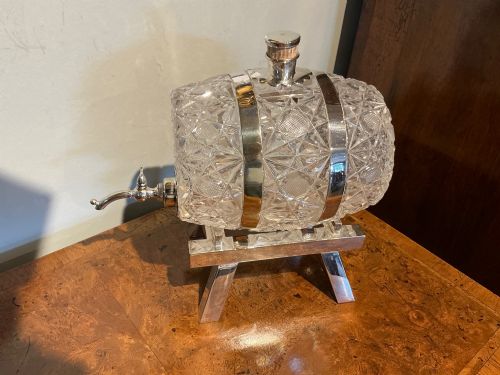
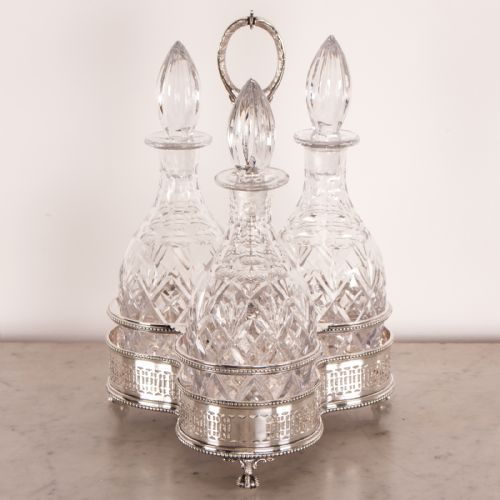
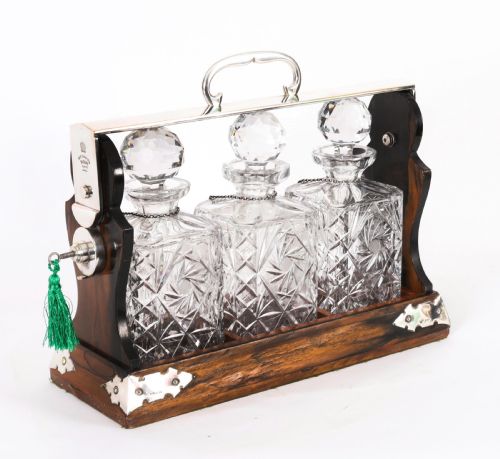
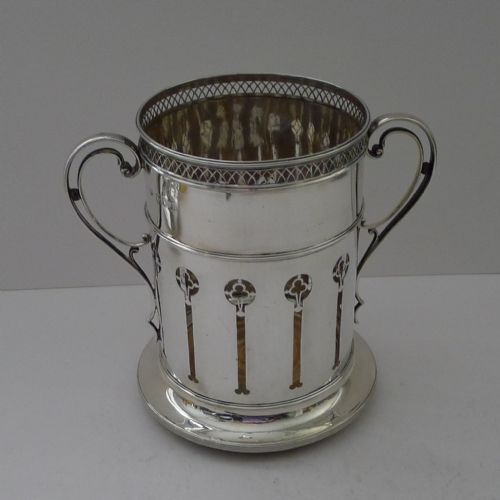
A silver decanter stand provides a secure frame for serving bottles, wine coasters, and multi-bottle decanter sets during dining. These pieces range from single bottle coasters to elaborate frames holding three cut crystal bottles or spirit barrels.
The selections span multiple periods, with strong representation from the Georgian, Victorian, and Edwardian eras. Buyers frequently encounter silver plated frames fitted with cut glass or crystal decanters alongside solid sterling silver examples.
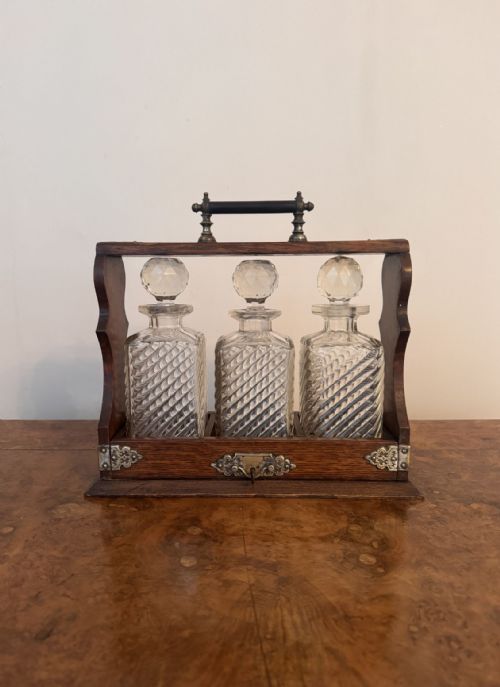
Origins include workshop productions from Birmingham, Sheffield, and London, reflecting traditional British silversmithing methods. Many items integrate wooden bases made from oak or mahogany to support the weight of the glass vessels.
Materials and Construction
Manufacturers utilised a foundation of sterling silver, Old Sheffield plate, or silver plating over base metals to construct the frames. Wooden elements like oak and mahogany frequently form the insulated bases of bottle coasters and tantalus frames.
Vessels paired with these stands typically consist of heavy cut glass or cut crystal, sometimes featuring coloured hues like Bristol blue or green. Silversmiths applied techniques including casting, piercing, and engraving to decorate the metal galleries.
Silver Decanter Stand Retail Price Guide 2026
Typical asking prices for silver decanter stand among the pieces listed under this phrase on Sellingantiques today, from the lower quarter to the upper quarter. They describe what is for sale here now, not the wider market.
Listings feature silver decanter stands spanning the Georgian, Victorian, and Edwardian periods, constructed from sterling silver, silver plate, oak, and cut glass.
Factors of Quality
The thickness and purity of the metalwork dictate the longevity and substantial weight of the piece. Sterling silver hallmarks indicate official assay office testing, whereas older plated items rely on the quality of the fused silver layer over copper or base metal.
Integration between the metal frame and its fitted glass components demonstrates superior craftsmanship. Original matching cut crystal or glass decanters paired correctly with their designated stand elevate the overall standard of the set.
Walker & Hall·Betjemann·Brook & Son·Charles Thomas Fox·Elkington·Hester Bateman·Henry Wilkinson & Co
The Silver Decanter Stand Glossary
- Old Sheffield Plate
- A composite material made by fusing a thin sheet of silver to a thicker copper ingot before rolling into sheets. This early plating method often reveals faint traces of copper along exposed edges.
- Tantalus
- A locking wooden or metal stand that secures decanters to prevent unauthorized access to the spirits inside. The locking mechanism typically holds the stoppers firmly in place until released by a key.
- Wine Coaster
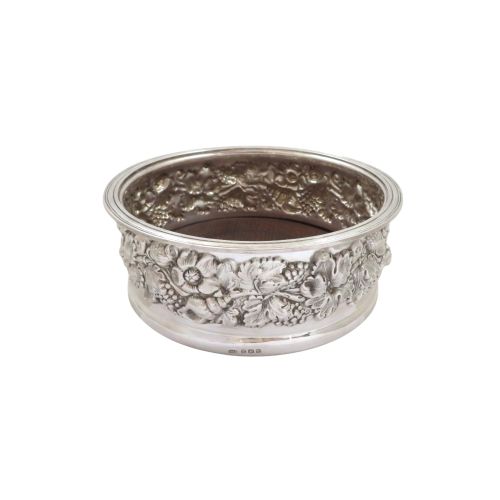
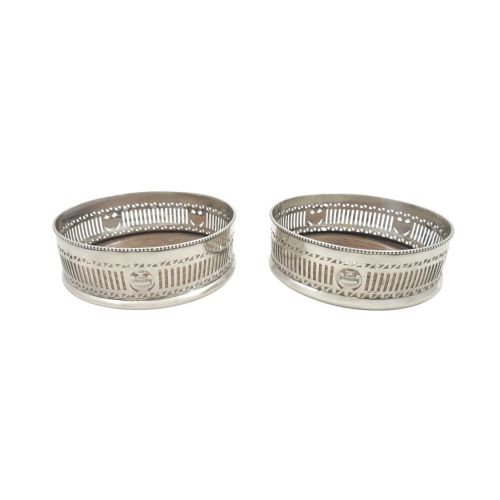
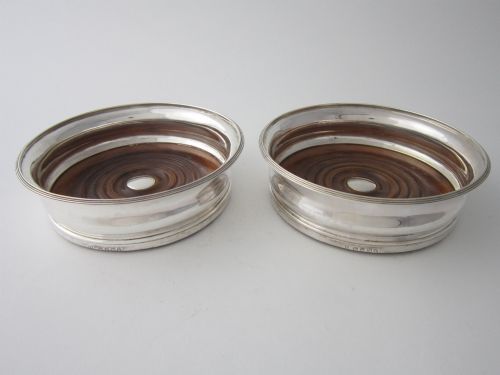
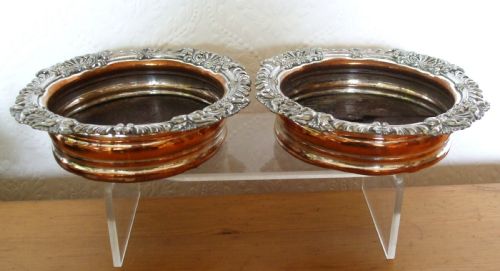
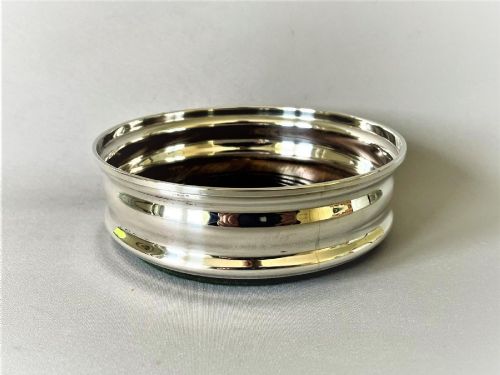
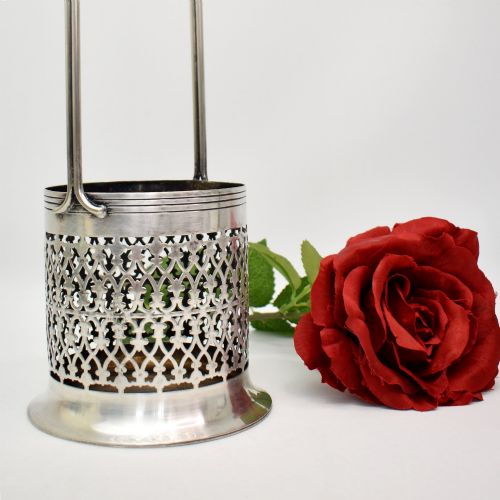
- A small circular stand designed to hold a wine bottle and protect the table surface from condensation or drips. These items frequently feature wooden bases inset with silver or silver-plated galleries.
- Cruet Set
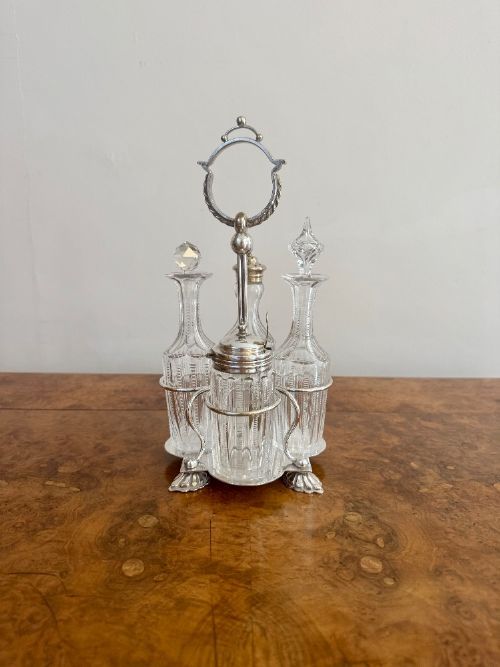
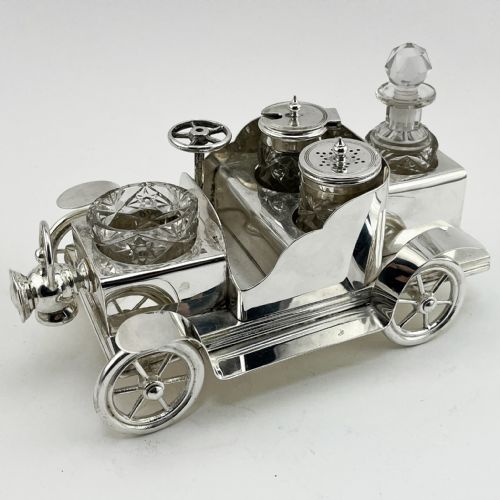
- A matched collection of small bottles or jars held within a single stand for condiments and sauces. Georgian and Victorian examples often integrate multiple glass cruets into an elaborate silver frame.
- Sterling Silver
- An alloy composed of silver and other metals, traditionally standard at ninety-two point five percent purity by weight. British items made from this standard bear official assay office hallmarks.
Silver Decanter Stand: Frequently Asked Questions
What is a decanter stand used for?
A decanter stand safely organises and transports glass bottles and decanters around the dining table. It keeps multiple vessels stable during serving and protects dining surfaces from moisture rings.
Many designs incorporate secure metal galleries or locking bars to keep the bottles upright. These stands transition easily from sideboard displays to formal dining settings.
How do I clean a silver decanter stand?
Clean the metal components using a soft cloth and a specialised silver polish designed for plated or sterling surfaces. Avoid getting liquid polish onto any fitted wooden bases or glass inserts.
Wash the glass decanters separately with warm water and bottle brushes. Ensure all parts are thoroughly dried before reassembling the set.
Are the glass decanters usually original?
Many surviving stands retain their original cut glass or crystal decanters, particularly those from the Victorian and Edwardian periods. Replacement decanters do occur frequently due to accidental breakage over long periods of use.
Examine the fit of the glass within the base rings to see if the vessels sit naturally. Matching crystal patterns and period-appropriate wear help confirm originality.
How do I identify a Georgian stand?
Georgian stands often display crisp hallmarks for sterling silver or characteristic Old Sheffield Plate construction methods. Design motifs from this era typically reflect neoclassical or Regency styling.
Inspect the piece for maker marks and assay office symbols that correlate with late eighteenth or early nineteenth century dates. The weight and hand-finished details provide further clues to the period.