


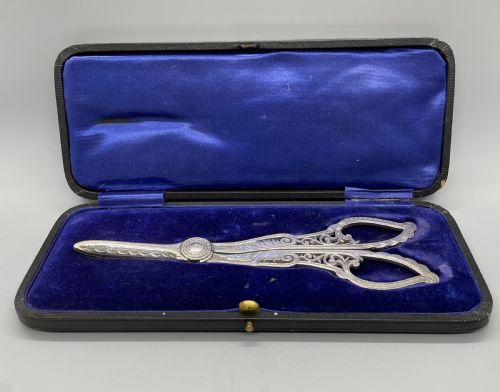


Silver Cutlery Presentation Case
A silver cutlery presentation case houses matched or paired utensils safely in velvet, leather, or satin.
Silver Cutlery Presentation Case
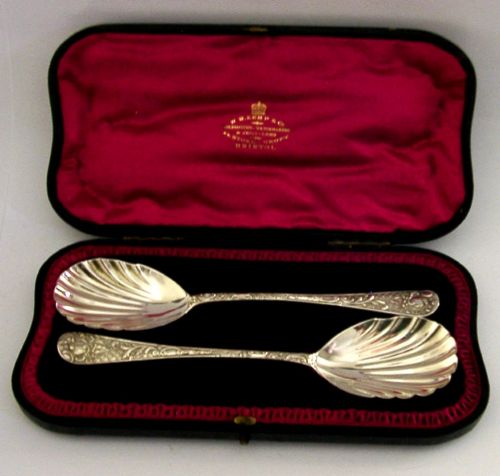
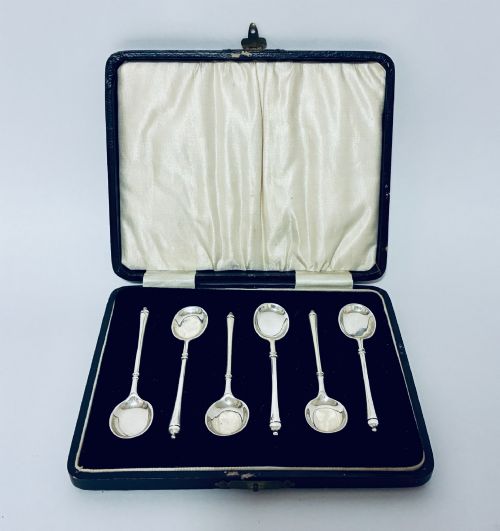
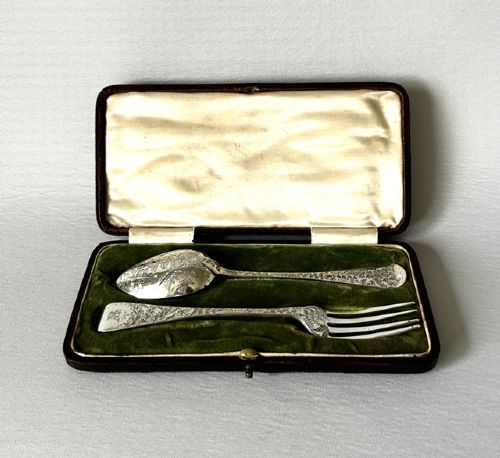
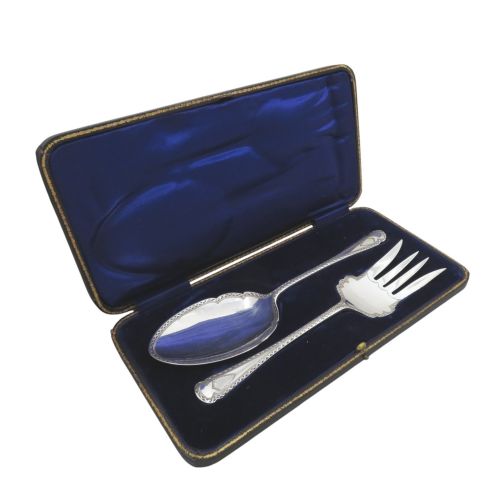
A silver cutlery presentation case protects fine tableware, keeping spoons, forks, and knives secure when not laid on the dining table. These fitted boxes span the Victorian, Edwardian, Art Deco, and Georgian periods, reflecting the formal dining habits of their eras.
Most examples found here contain serving cutlery, coffee spoons, butter knives, or Christening sets. The housings match the specific utility of the contents, often featuring shaped recesses lined to prevent movement.
Exterior materials typically include leather or leatherette, while interiors rely on silk, satin, and velvet to cushion the silver. These fitted enclosures ensure the silver remains untarnished and undamaged while stored in a sideboard or cabinet.
Assessing craftsmanship and condition
Quality rests in the precision of the interior fitting and the durability of the exterior materials. Finer boxes feature custom-moulded compartments lined in thick silk or velvet that exactly match the contours of the spoons or forks.
The integrity of the outer leather and the smooth operation of the clasps distinguish superior examples from plain or heavily worn boxes. Complete sets retaining their original fabric linings command greater interest than those with replaced interiors.
Some Victorian nutcracker sets spent more decades tucked away in quiet sideboards than they ever spent cracking walnuts.
William Devenport·Robert Stebbings·John Round
The Silver Cutlery Presentation Case Glossary
- Sterling silver
- A silver alloy containing 92.5 percent pure silver and 7.5 percent other metals, usually copper. This standard ensures durability while maintaining a bright metallic lustre.
- Mother-of-pearl
- An iridescent inner layer of mollusc shell used for knife and fork handles. It provides a smooth, tactile grip with subtle natural colour variations.
- Presentation box
- A fitted container designed specifically to display and store valuable items. These boxes often feature tailored interior slots lined with velvet or satin.
- Flatware
- Dining utensils used for eating, such as forks, spoons, and knives. In antique contexts, these pieces are frequently housed in dedicated cased sets.
Silver Cutlery Presentation Case: Frequently Asked Questions
How do I clean the velvet lining?
Gently brush the velvet with a soft, dry artist brush to lift surface dust and debris. Avoid using water or chemical cleaners, as moisture ruins antique fabric linings and weakens the underlying card or wood.
For stubborn marks, consult a professional textile conservator rather than attempting home remedies. Harsh scrubbing flattens the delicate pile and damages the historic integrity of the case.
Can I store my modern cutlery in these boxes?
Modern utensils rarely match the exact dimensions of antique pieces. Forcing mismatched spoons or forks into fitted velvet slots damages the delicate lining and strains the box structure.
It is better to preserve the case for the specific set it was made to hold. Using the box for unrelated cutlery often results in tears to the silk and broken internal wooden framing.
How do I date an Edwardian presentation case?
Examine the exterior styling and any interior maker marks or retail stamps. Edwardian cases often feature clean lines and durable leatherette finishes typical of the early twentieth century.
Silver hallmarks inside the box provide precise assay office and date letter indicators. Comparing the style of the clasp and the texture of the silk lining helps confirm the production era.
Why do some cases use mother-of-pearl?
Mother-of-pearl offered a luxurious, tactile alternative to metal or wooden handles on fruit knives and small forks. The material resisted staining from acidic foods like citrus during Victorian dining.
Its natural iridescent shimmer added visual elegance to dessert and Christening sets. This made cased items featuring the material particularly popular for formal gifting.