


Silver Coin
When you search for a silver coin, you uncover pocket-sized pieces of metalwork designed to hold currency, from sovereign cases to trays inset with coinage.
Silver Coin
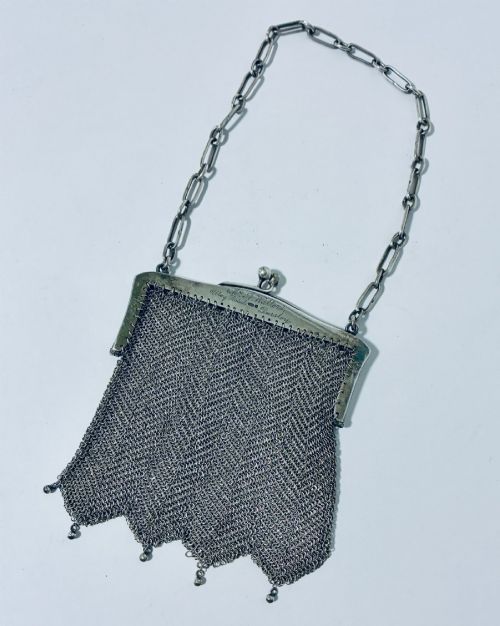
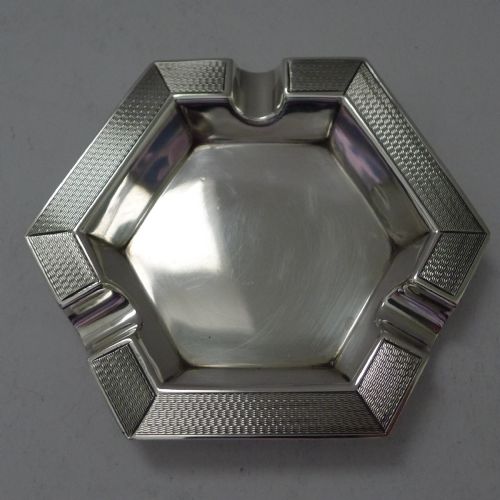
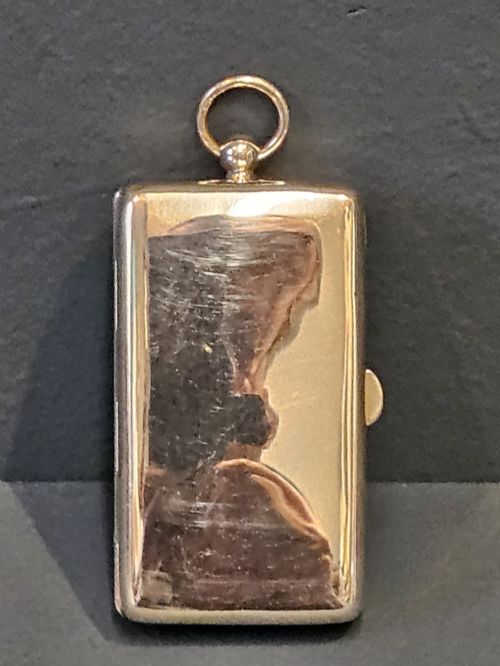
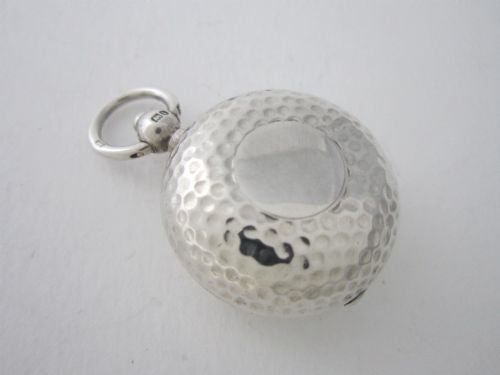
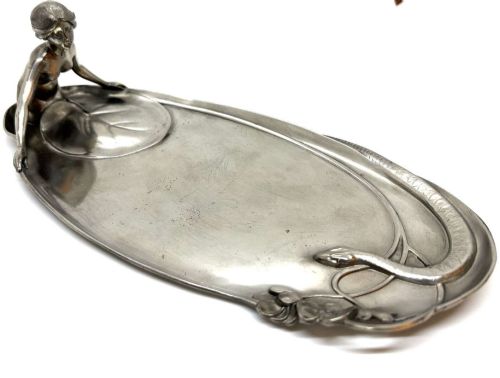
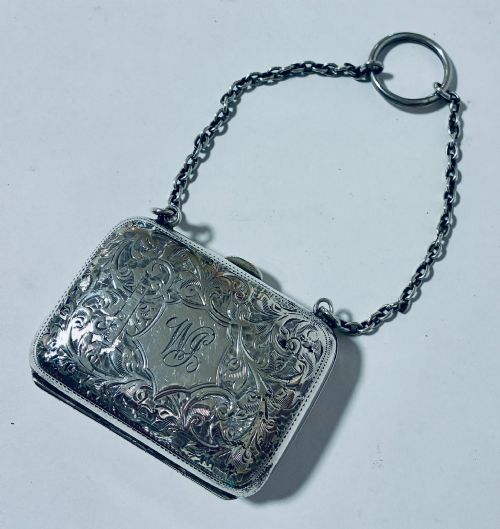
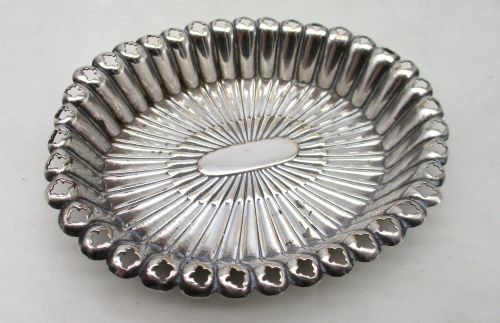
A silver coin search directs attention to small personal accessories and desk items spanning the Victorian, Edwardian, and George V periods. You encounter sovereign holders, vesta cases, and evening purses alongside dishes and ashtrays that incorporate actual currency.
Makers integrated circulating money into functional objects, placing coins at the centre of dishes or fashioning vessels from foreign thalers and trade dollars. Pocket pieces designed for daily use sit alongside table trays intended for domestic interiors.
The objects stem from English assay offices, continental workshops, and export centres, recording the widespread habit of carrying and displaying minted silver during the late nineteenth and early twentieth centuries.
Materials and Construction
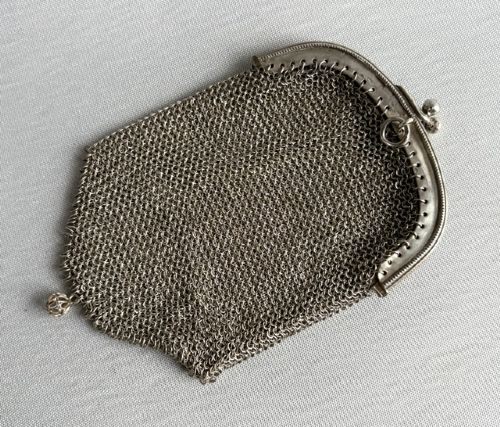
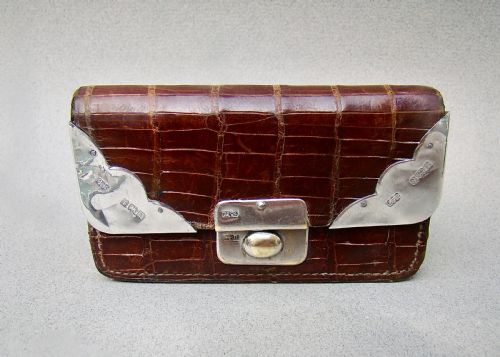
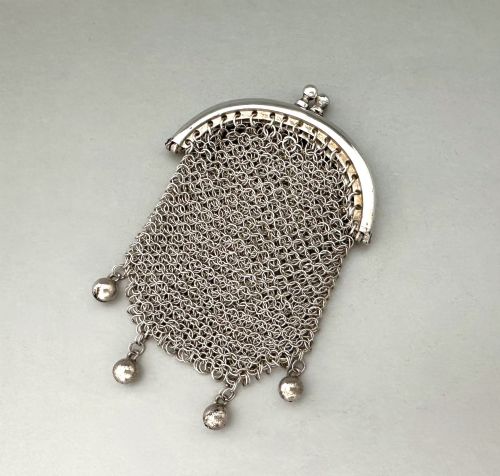
Makers utilised sterling silver, silver plate, and silver gilt alongside supporting materials like leather, silk, velvet, and crocodile skin in purses and combination cases. Metal mesh, chain mail, and guilloché enamel appear in evening bags and compacts, demonstrating specialised textile and enamelling techniques.
Solid silver components were stamped, cast, or engraved, often bearing Birmingham or Chester hallmarked dates alongside maker's marks. Inset coins were soldered or bezel-mounted into trays and ashtrays, preserving the original milled edges and dates of the currency.
Silver Coin Retail Price Guide 2026
Typical asking prices for silver coin among the pieces listed under this phrase on Sellingantiques today, from the lower quarter to the upper quarter. They describe what is for sale here now, not the wider market.
Markers of Standard and Execution
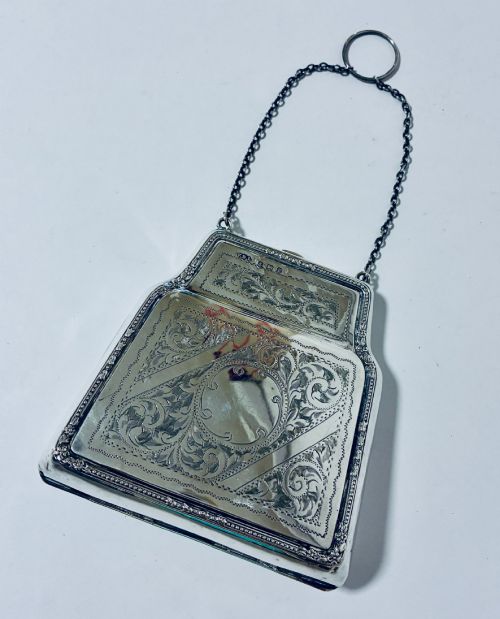
Distinction lies in the crispness of the chasing and engraving on exterior surfaces, particularly where chased scenes or monogram panels adorn sovereign cases and purses. Crisp hallmarks and legible coin dates indicate careful initial production and minimal subsequent wear.
The integrity of mechanical elements such as spring hinges on sovereign cases, clasps on mesh purses, and secure bezel settings around inset coins dictates structural survival. Interior linings of silk or leather that remain intact preserve the utility of the piece.
Charles Penny Brown·Aaron Lufkin Dennison·William Neale·Robert Cawley·Henry Charles Freeman
The Silver Coin Glossary
- Vesta case
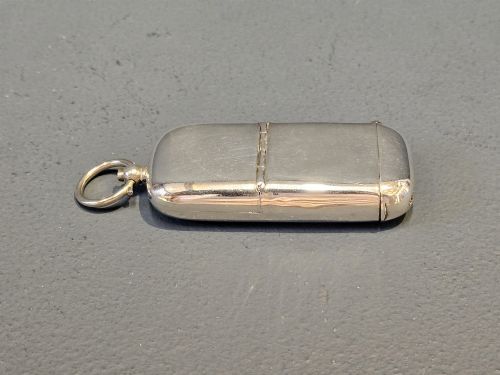
- A small pocket container originally designed to hold wax matches, frequently combined with sovereign holders in Edwardian metalwork. These dual-purpose items kept both fire and currency ready for daily use.
- Sovereign case
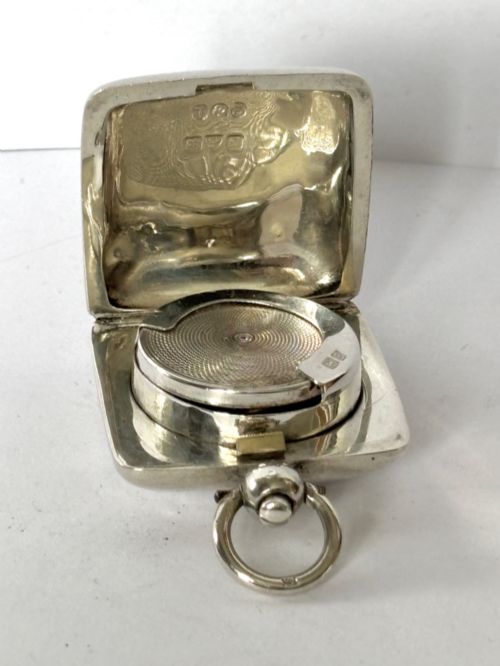
- A hinged pocket holder engineered to store British gold sovereign coins securely within spring-loaded internal partitions. They were standard accessories for gentlemen and ladies during the Victorian and Edwardian eras.
- Guilloché enamel
- A decorative technique where a precise geometric pattern is機械 engraved onto metal beneath translucent enamel layers. It frequently appears on early twentieth-century compacts and coin purses.
- Old Sheffield Plated
- An early fusion method where a sheet of silver is fused to a copper base before rolling into sheets for fabrication. This predates modern electroplating and displays a characteristic warm tone.
- Vide poche
- French for an empty pocket, this describes a small tray or dish placed near an entrance to hold loose coins and keys. Examples from the mid-century period often feature novelty forms.
- Chatelaine
- A decorative belt hook suspended with chains carrying functional small items like coin purses and watches. They allowed Victorian women to keep personal necessaries attached to their waistbands.
Silver Coin: Frequently Asked Questions
What is a sovereign case?
A sovereign case is a small, hinged metal container engineered to hold gold coins of the sovereign denomination securely in individual spring clips. They were carried in pockets or attached to chatelaines during the late nineteenth and early twentieth centuries.
These pieces protected soft gold currency from rubbing against keys and other pocket items. Today they survive as fine examples of compact silversmithing.
How were coin trays used?
Coin trays and ashtrays inset with real currency served as desk accessories or smoking room novelties. They displayed foreign or British trade dollars and thalers as decorative centrepieces.
Such items celebrated specific trade links or commemorated events through the embedded currency. They sat on desks and sideboards to hold daily pocket contents.
How do I date an Edwardian silver piece?
Dating Edwardian silver relies on the stamped hallmarks found on the metal body, which include the assay office mark, the standard mark, and a date letter specific to the year of testing. King Edward VII reigned from 1901 to 1910.
Matching the stamped date letter against official assay office tables yields the exact year of manufacture. Maker's initials provide the final link to the workshop responsible.
What is Old Sheffield Plate?
Old Sheffield Plate is an early composite material made by fusing a thin sheet of silver onto a thicker copper core. The fused block was then rolled into sheets and worked into items like pin trays.
This technique differs fundamentally from later electroplating by showing a rich depth of metal. Traces of the underlying copper often peek through worn edges on older examples.