



Silver Cocktail Serving Tray
A silver cocktail serving tray organises glassware and bottles with period character, turning any home bar or sideboard into a functional focal point.
Silver Cocktail Serving Tray
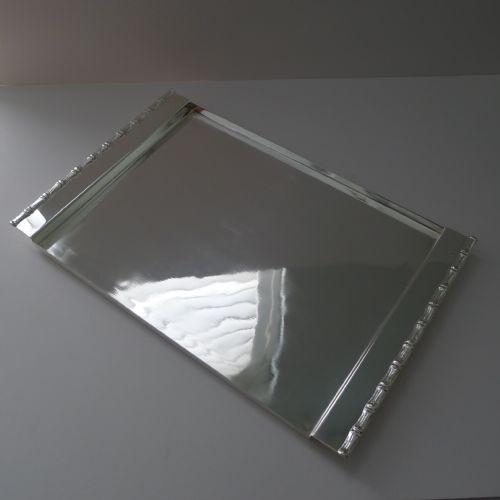
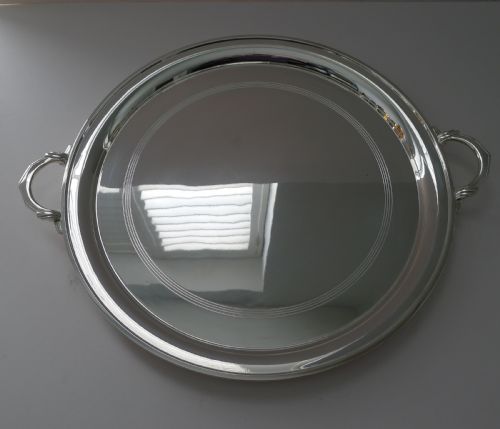
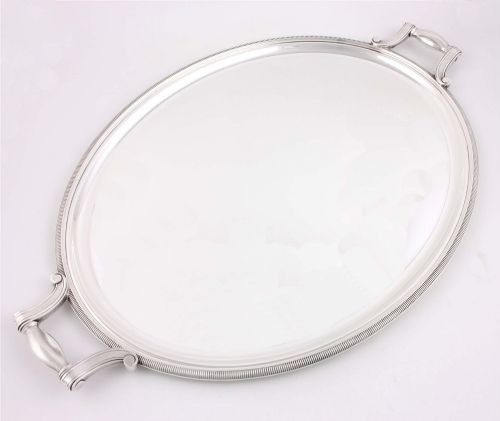
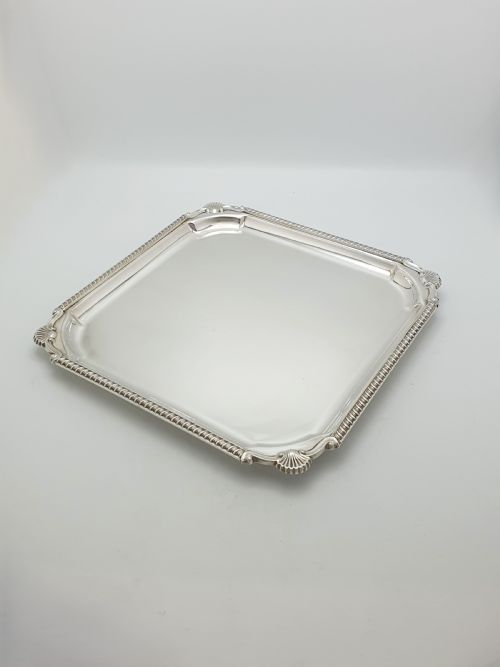
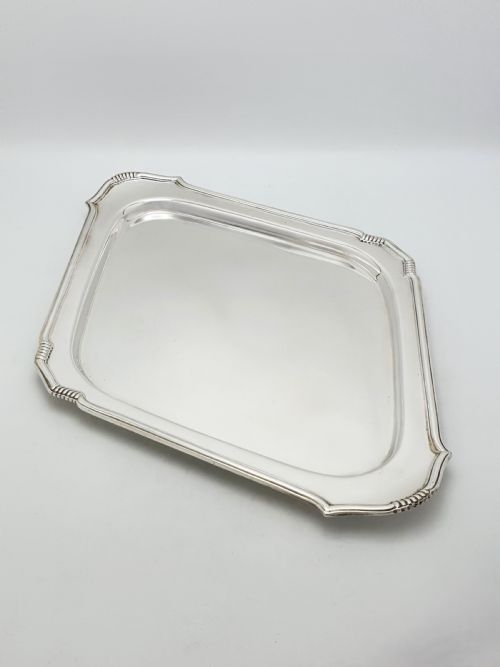
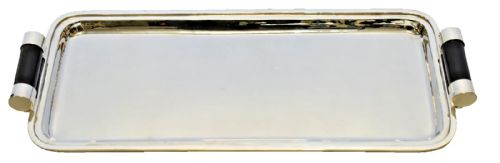
A silver cocktail serving tray brings together drinkware and hospitality, appearing primarily as a silver-plated or sterling silver platform designed for entertaining. Buyers searching for a silver cocktail serving tray will encounter formats spanning the Edwardian era through the interwar period and into mid-century modern design. The selection includes oval gallery trays with handles, geometric square shapes, and circular salvers suited for holding decanters and glasses.
The objects originate predominantly from British makers and European workshops, reflecting shifting domestic habits across the nineteenth and twentieth centuries. Early twentieth-century examples frequently incorporate decorative borders or pierced galleries, while later pieces favour clean modernist lines and industrial materials. Whether designated for cocktails, tea, or general serving, these pieces function as both practical servers and decorative tabletop accessories.
Materials and construction
Makers constructed these trays using silver plating over base metals, electroplated nickel silver, or solid sterling silver, often combining metal frames with mirrored or cut glass bases. Techniques such as silver plating and electroplated nickel silver provided an accessible alternative to solid silver while maintaining a bright reflective surface. Some examples integrate wooden bases or oak galleries to add structural rigidity and textural contrast to the metalwork.
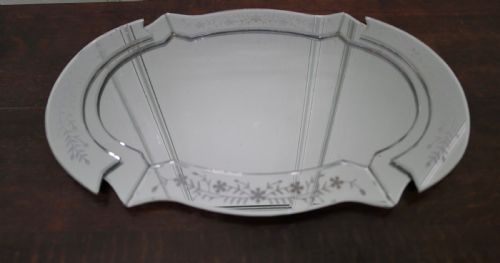
Surface ornamentation relied on specialised manufacturing methods, including engine turning, hand soldering, and intricate embossed scrolls along the borders. Cut glass mirror inserts were frequently fitted into metal frames to create reflective trays intended specifically for glassware and wine service. Handles were cast separately and firmly attached to the main body to support the weight of loaded decanters.
Listings feature items spanning the Victorian era through the 1960s, executed in silver plate, sterling silver, glass, and mirror.
The markers of distinction
Distinction in these trays rests on the weight of the metal, the crispness of the chased or embossed detail, and the integrity of the maker marks stamped into the base. Heavier gauge metalwork and robust handle construction indicate superior production standards that prevent bending under the weight of glassware. Maker attribution to notable silversmiths or design collaborations also elevates the standing of a piece within the field.
The preservation of the reflective silver layer and the secure fit of mirrored or glass inserts dictate the structural longevity of the object. Subtleties in proportion, such as balanced gallery heights and cleanly executed geometric borders in Art Deco examples, separate standard commercial output from exceptional design work.
Mappin & Webb·Hukin & Heath·Walker & Hall·James Dixon & Sons·Elkington·Asprey
The Silver Cocktail Serving Tray Glossary
- Salver
- A flat tray, typically made of silver or silver plate, used for serving drinks or presenting items. They usually rest on small feet rather than handles.
- Gallery tray
- A serving tray featuring an elevated pierced or solid gallery rail around the perimeter to prevent items from sliding off during transport.
- EPNS
- Electroplated nickel silver, a common base metal composition coated with a thin layer of pure silver used widely in twentieth-century manufacturing.
- Engine turning
- A mechanical decoration technique producing intricate geometric patterns of fine engraved lines across the metal surface.
- Decanter tray
- A specialised serving tray sized specifically to hold a set of decanters and matching glasses securely on a sideboard or bar.
Silver Cocktail Serving Tray: Frequently Asked Questions
How do I clean a silver cocktail tray?
Clean silver-plated and sterling surfaces using a specialised soft silver cloth and non-abrasive polish to preserve the plated layer.
Avoid submerging pieces that incorporate wooden bases or mirrored glass inserts in water to prevent moisture damage.
Were these trays made for everyday use?
Makers originally produced these pieces for formal entertaining, hospitality, and domestic service in Edwardian and interwar households.
Today, many buyers utilise them on home bars or sideboards to display glassware and bottles.
How can I date an unmarked tray?
Dating relies on stylistic indicators such as geometric Art Deco motifs, Edwardian scrollwork, or modernist simplicity.
Manufacturing materials like electroplated nickel silver and the presence of specific glass inserts also provide chronological clues.
What is the difference between sterling and plated trays?
Sterling silver pieces consist of solid precious metal throughout and carry official hallmarking stamps indicating metal purity.
Silver-plated trays feature a base metal core, such as nickel silver, coated with a layer of pure silver.