



Silver Charger Plates
Silver charger plates are large ornamental or service platters in solid metal, silver plate, or pewter that anchor a formal table setting.
Silver Charger Plates
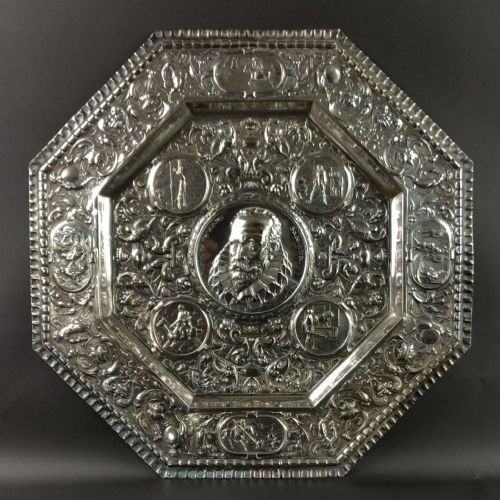
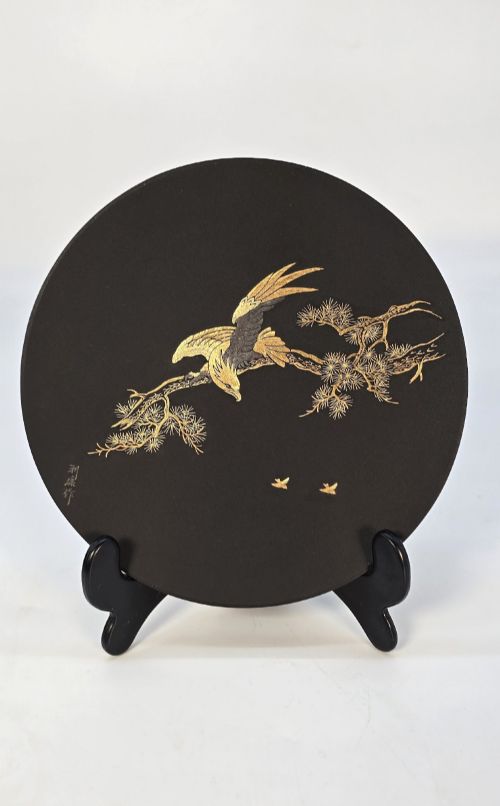
Silver charger plates encompass large decorative platters and heavy service dishes originating from the eighteenth, nineteenth, and early twentieth centuries. These pieces appear in solid silver, silver plate, copper, bronze, and pewter, often taking the form of wall plaques or large dining chargers.
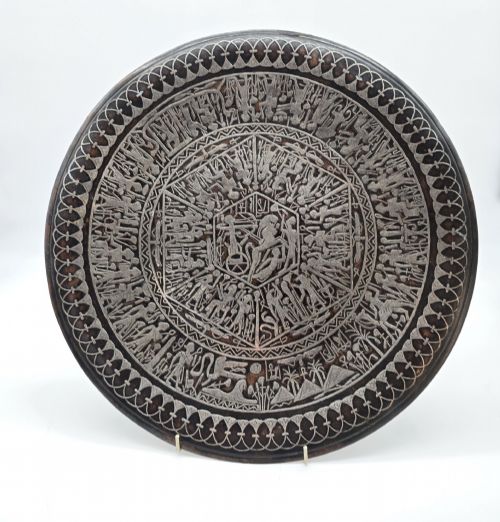
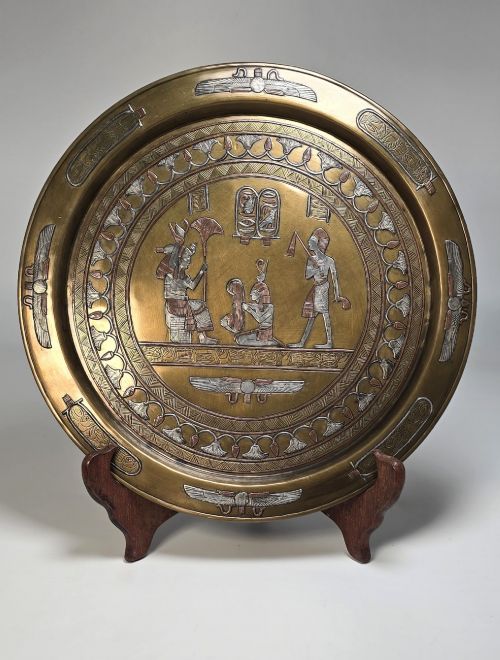
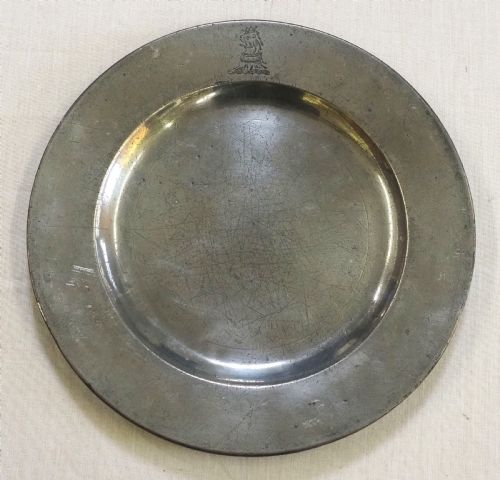
The selection ranges from plain English pewter plates bearing early maker touches to intricate Egyptian Cairo Ware inlaid with silver and copper. Buyers frequently encounter nineteenth-century silver plated examples alongside continental European and Middle Eastern metalwork.
Forms extend beyond standard dining service to include decorative trays and plaques displaying repoussé figures, crests, or commemorative portraits. Many items reflect distinct revival styles, from Georgian simplicity to elaborate Egyptian Revival and Renaissance motifs.
Materials and construction methods
Makers utilised traditional metalworking techniques such as hammering, casting, and spinning to shape pewter, copper, and bronze bases before applying finishes. Surface decoration often involved repoussé work, where designs were beaten from the reverse to create raised pictorial reliefs.
Silver plating methods evolved from Old Sheffield Plate, fusing thin sheets of silver to copper, to later electrotyping and heavy plating over bronze or brass bases. Inlaid pieces feature precise hand-cut channels filled with contrasting metals like silver and gold wire.
Patination and ageing techniques, particularly on patinated iron and copper surfaces, created deep tonal contrast that highlighted intricate engravings and figural scenes.
One nineteenth-century clock depicts Napoleon Bonaparte riding proudly into battle on his trusty charger, bringing a literal interpretation to the search term.
Assessing quality and craftsmanship
Quality rests primarily on the crispness of the hand-chased or repoussé detail and the weight of the metal base. Heavy gauge pewter and thick bronze castings retain their structural integrity and hold sharper decorative relief than thin, pressed alternatives.
The precision of inlay work and the purity of the metal alloys distinguish standard production items from exceptional workshop creations. Retained original surface finishes, clear maker marks, and undisturbed patination elevate the standing of an individual piece.
James Spackman·Matthew Boulton·Elkington & Co·Samuel Hennell·Thomas Templeman·Thomas Powell
The Silver Charger Plates Glossary
- Charger
- A large ornamental or service plate placed beneath smaller dinner plates during formal meals. They measure significantly wider than standard dining plates.
- Repoussé
- A metalworking technique where the artisan hammers a design from the reverse side to form a raised relief on the front. This method creates tactile depth in figural and floral scenes.
- Cairo Ware
- Late nineteenth and early twentieth-century Middle Eastern metalwork featuring intricate silver and copper inlay on brass, bronze, or copper bodies. These pieces were popular during the Grand Tour period.
- Pewter
- A malleable metal alloy consisting principally of tin, combined with copper, antimony, or bismuth. It provides a subdued grey lustre suited to plain rim and hammered dining vessels.
- Electrotype
- A metal object produced by electroplating a chemical bath onto a mould. This nineteenth-century technique enabled the faithful reproduction of complex sculptural reliefs in metal.
Silver Charger Plates: Frequently Asked Questions
What is the difference between a charger and a platter?
A charger is traditionally used underneath other plates as a decorative base or service foundation during formal dining occasions. Platters are generally utilised for serving food directly at the table.
While both share a similar large diameter, chargers often feature broader rims and more ornamental surface decoration than functional serving platters.
How do I clean antique silver plated chargers?
Clean silver plated items gently using a soft microfibre cloth and a mild, non-abrasive cream formulated specifically for silver. Avoid harsh scrubbing that can wear through thin plating layers.
Preserve the darkened recesses of repoussé work and engraved lines by applying polish sparingly around the deepest sections of the design.
Can I use pewter chargers for serving food?
Historic pewter manufactured before the nineteenth century often contained lead, making it unsuitable for acidic foods or regular daily dining. Modern or twentieth-century alloy standards vary in composition.
Display antique pewter pieces primarily as decorative wall chargers or sideboard dishes rather than utilising them for active food service.
How do I identify older pewter plates?
Examine the reverse of the plate for maker touches, hallmarks, and ownership stamps left by early pewterers. Hammer marks and thick, heavy rims often indicate eighteenth-century production methods.
Plain rim designs and wavy edges shifted in fashion throughout the Georgian and Victorian periods, helping to narrow the manufacturing window.