
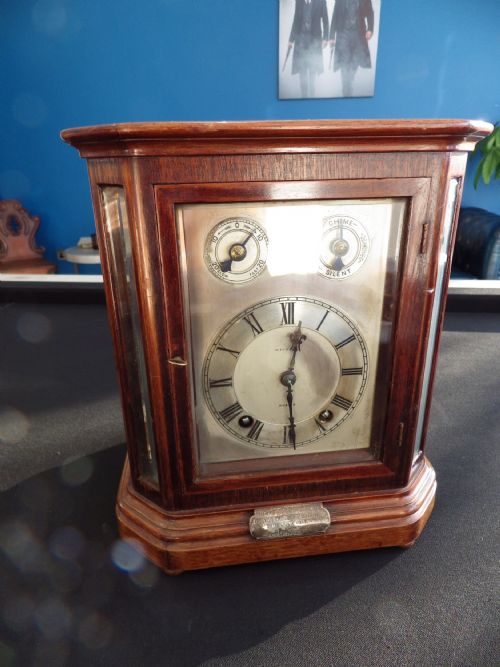


Silver Casing Clock
These pieces gather the protective housing and precise timekeeping of a silver casing clock, offering portable luxury or stately domestic presence.
Silver Casing Clock
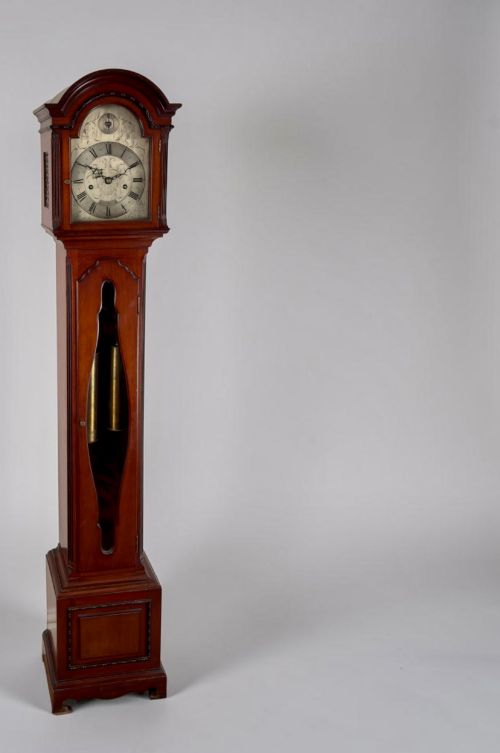
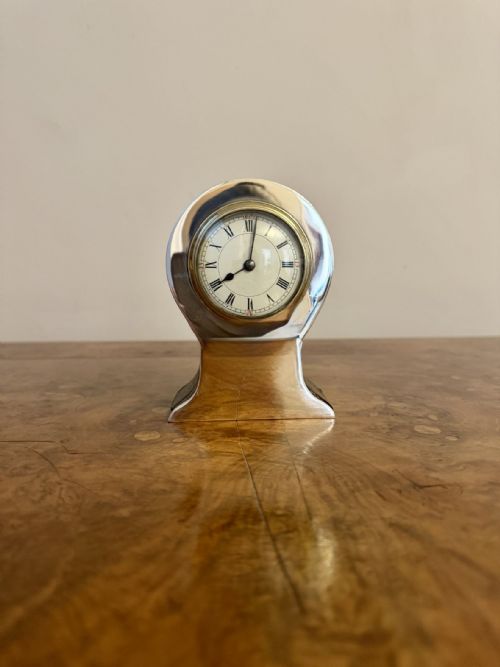
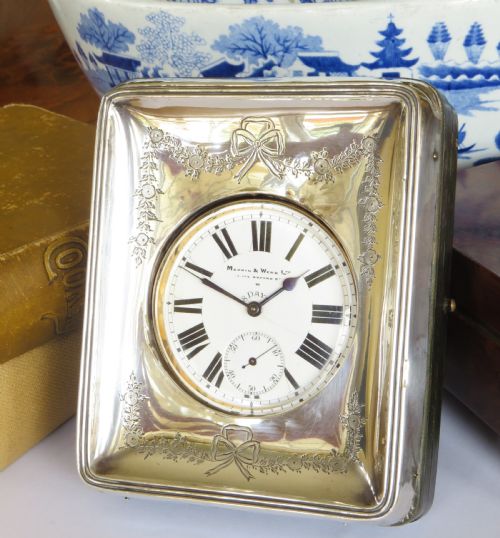
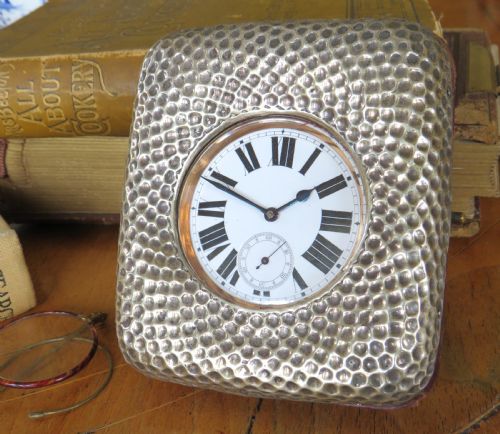
A silver casing clock encompasses everything from pocket-sized travel timepieces to substantial desk accessories and mantel pieces, drawing on forms produced across the eighteenth, nineteenth, and twentieth centuries. You will frequently encounter compact folding designs made for travel alongside upright boudoir models designed for domestic dressing tables and studies.
The selection ranges across distinct periods, covering Georgian bracket and longcase movements up to Edwardian silver carriage clocks and Art Deco skyscraper desk pieces. Makers combined precious metals with glass and enamel panels to create functional items that doubled as decorative desk objects.
These items served both practical daily schedules and decorative interior roles, moving from the pockets of travellers to the desks of professionals and the mantelpieces of formal rooms. Their varied sizes mean you might find a tiny pocket folding timepiece or a larger boudoir clock housed in chased silver.
Materials and construction
Silversmiths formed outer shells from solid sterling silver or applied heavy silver plating over brass and steel foundations, frequently incorporating hallmarks to certify metal purity. Glass panels protected delicate dials and allowed views of the internal escapements, while wooden chassis of mahogany or ebonised wood supported larger fusee movements.
Dials were commonly fashioned from silvered metal, white enamel, or engraved brass, paired with fine steel hands and brass gear trains. Decorative techniques included floral enamel work, hand-chasing, and geometric Art Deco styling to enrich the exterior casings.
Some travel models still carry presentation inscriptions from doctors and travellers over a century old, preserving personal histories within their silver shells.
Judging quality and craftsmanship
Quality rests upon the crispness of the silver hallmarking, the depth and precision of any hand-chasing on the outer case, and the mechanical sophistication of the movement inside. Finer examples display immaculate enamel dials free of hairline cracks and robust fusee or platform escapements that maintain steady timekeeping.
The integration between movement and outer housing marks the difference between standard production and exceptional workshop output. Superior pieces feature custom-fitted leather travel outer cases, heavy-gauge silver plates, and signed movements from renowned makers.
Gillett and Johnston·Mappin and Webb·William Allam·James Tregent·Jaeger Le Coultre
The Silver Casing Clock Glossary
- Fusee
- A conical pulley used in older clocks to maintain even power from the mainspring as it unwinds. This mechanical device ensures consistent timekeeping across the duration of the wind.
- Platform escapement
- A small, self-contained escapement unit mounted on a bridge, common in carriage clocks and portable timepieces. It allows portable clocks to keep accurate time regardless of their orientation.
- Hallmark
- Official stamps applied to precious metals indicating the purity, maker, and assay office. These marks help verify the age and authenticity of the silver housing.
- Enamel
- A glassy substance fused to metal through firing to create a smooth, decorated dial face. It provides a durable, glossy surface for painted numerals.
- Bracket clock
- A portable table clock originally designed to rest upon a wall bracket. They typically feature fine wooden or metal cases with carrying handles.
Silver Casing Clock: Frequently Asked Questions
How do I wind a silver travel clock?
Most portable travel clocks utilise a key or a built-in thumb twist located on the backplate of the movement. Turn the mechanism gently until you feel firm resistance, taking care not to over-wind the mainspring.
Keep the original winding key with the piece if possible, as replacement keys require precise fitting to avoid damaging the delicate square arbors inside.
How should I clean silver casings?
Use a soft, dry microfibre cloth to remove dust and fingerprints from the silver surfaces on a regular basis. Avoid using liquid chemical dips, as harsh solvents can seep into the movement or damage adjacent glass and enamel panels.
Apply specialised silver polish sparingly with a separate cloth, ensuring you work around hinges and bezels without introducing residue into the dial face.
Were these clocks meant for travel?
Many smaller examples were specifically constructed with folding leather outer cases or sturdy protective silver shells intended for luggage and journeys. Desk and boudoir models remained stationary, built with easel backs or flat bases for permanent placement.
Portable designs incorporate locking mechanisms or robust platform escapements to withstand the motion of transit without stopping the internal beat.
How do I date an antique silver clock?
Examine the hallmarks stamped onto the silver casing, which correspond to specific assay office date letters and reigning monarchs. Stylistic cues such as Edwardian proportions, Art Deco geometric lines, or Georgian dial layouts also indicate the period of manufacture.
Signatures inscribed upon the dial or movement backplate often point to active workshop years for individual makers and clockmakers.