




Silver Business Card Case
A silver business card case is a portable pocket accessory designed for carrying calling cards, and collectors seek them for their miniature artistry and social history.
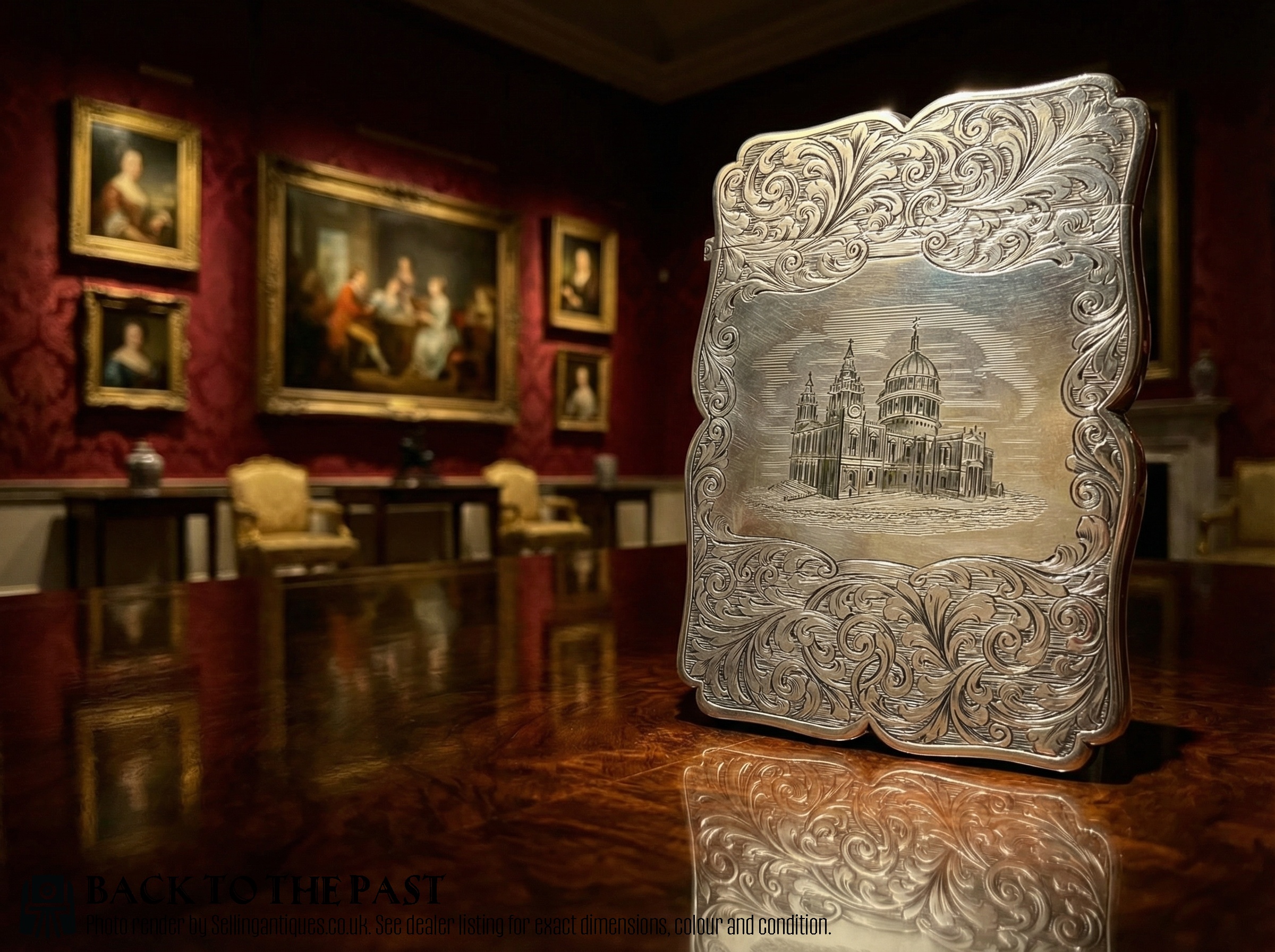
Silver Business Card Case
A silver business card case is a compact receptacle created to protect and dispense visiting cards during social and formal exchanges. When exploring this selection, a buyer encounters pieces originating from the Victorian and Edwardian eras, alongside later Art Deco examples.
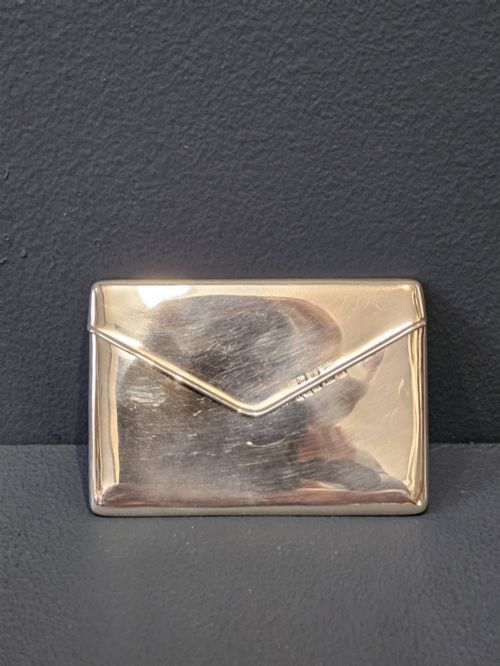
The assortment on this page includes standard card cases, folding novelty variants with spring clips, and hybrid pieces that double as cigarette or cheroot boxes. Many items hail from British workshops, while others reflect Indian Colonial, Continental, and Russian craftsmanship.
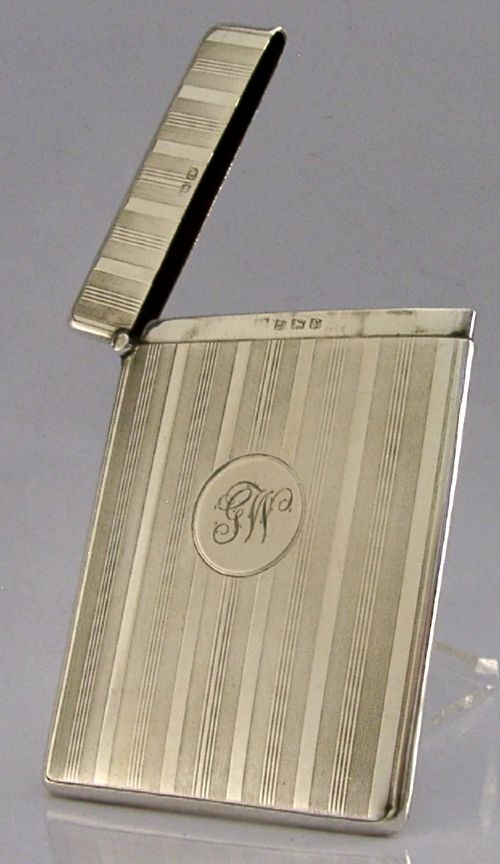
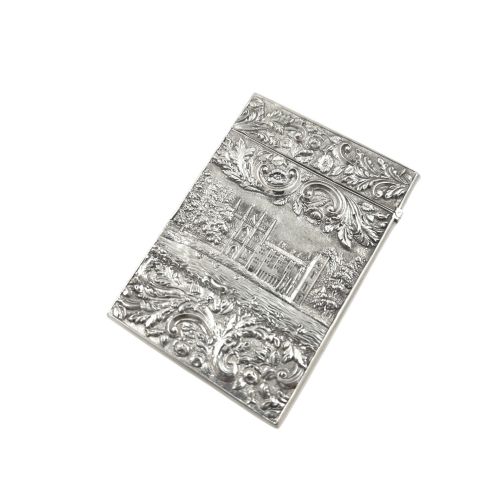
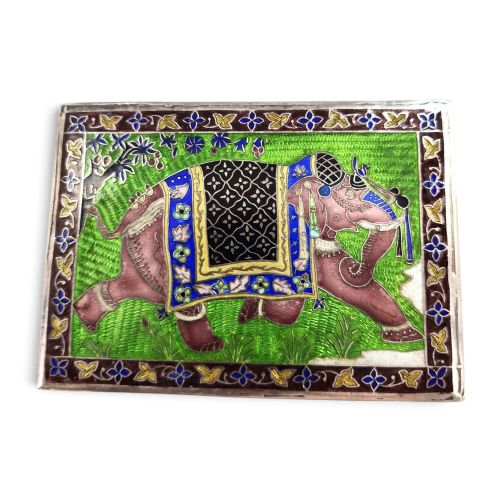
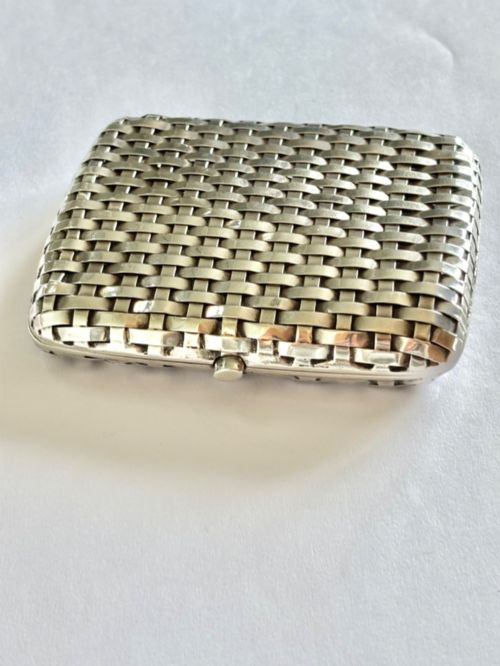
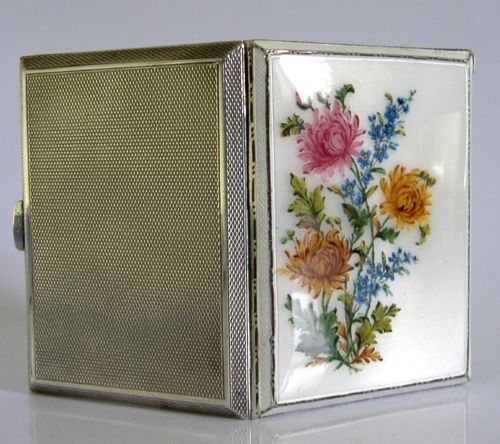
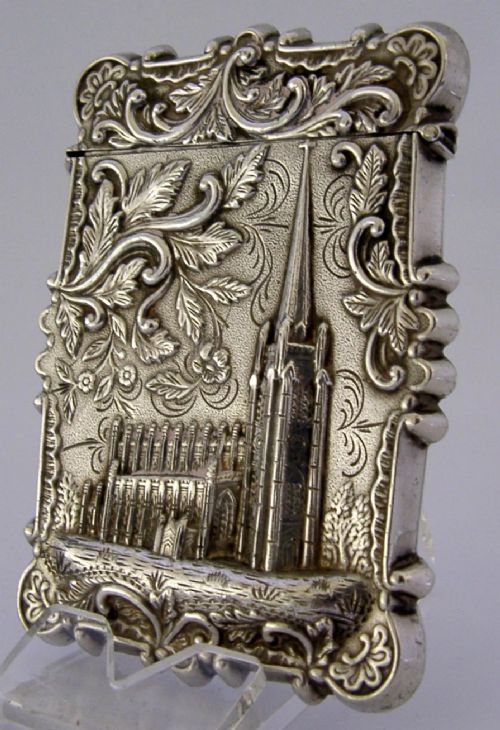
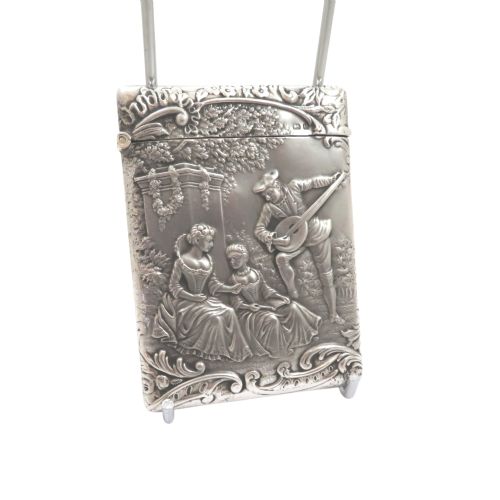
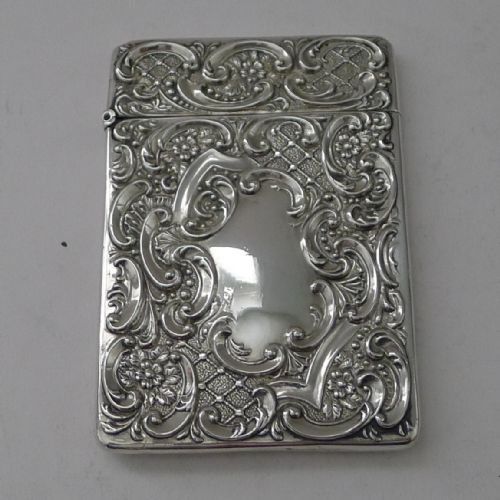
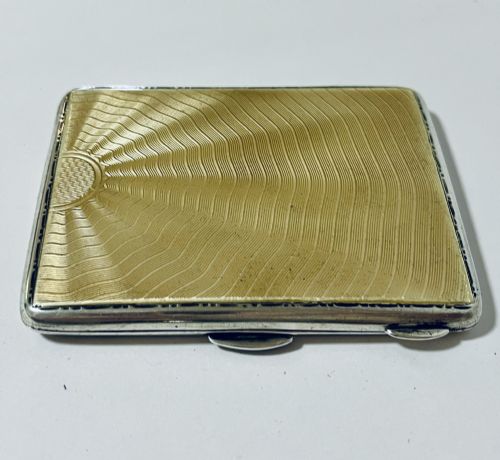
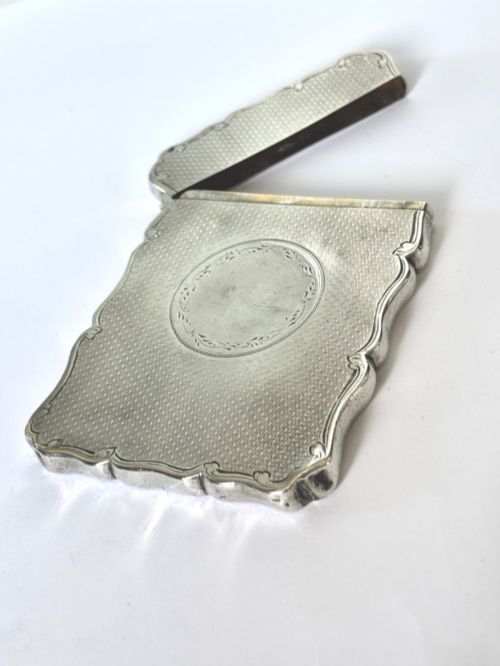
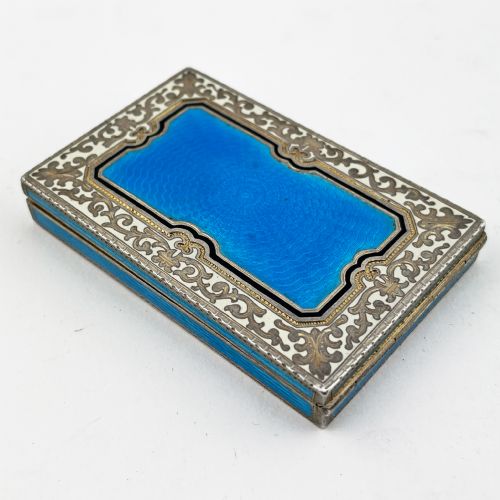
Visually, these objects range from plain polished sterling silver to elaborate castle top scenes, repoussé deity motifs, and hand-painted enamel decorations. The predominant forms span the mid-nineteenth century through the mid-twentieth century, capturing shifting aesthetic movements.
Materials and Techniques
Makers fashioned these pieces primarily from sterling silver and solid silver, utilising sheet metal formed into rigid or folding containers. Surface decoration often involved repoussé work, where designs are hammered into relief from the reverse side.
Many examples incorporate vitreous enamel and hand-painted details, applying fused glass colours to the metal base to depict flowers, figures, or abstract patterns. Specialised cast elements, such as architectural castle top plaques, were soldered onto the main body.
Hinged lids and secure clasps required precise metalworking to ensure a snug fit for delicate paper cards. Interior gilt metal washes occasionally appear, adding a contrasting golden layer to the silver surface.
Silver Business Card Case Retail Price Guide 2026
Typical asking prices for silver business card case among the pieces listed under this phrase on Sellingantiques today, from the lower quarter to the upper quarter. They describe what is for sale here now, not the wider market.
Listings feature items spanning the Victorian, Edwardian, 1930s, 1940s, and 1950s periods, incorporating sterling silver, enamel, and gilt metal.
Variations in Quality
The depth and crispness of the chasing or repoussé work dictate the visual impact of decorated surfaces, separating standard production from superior artistry. Architectural castle top pieces with well-defined landmarks demand greater skill than plain polished variations.
The integrity of hand-painted enamel and the complexity of multi-coloured decoration influence the distinction between simple containers and intricate miniature canvases. Intact enamel free from chips or extensive restoration represents a higher standard of preservation.
The reputation of specific makers and silversmiths associated with hallmarked pieces adds weight to individual items. Substantial weight and solid construction throughout the hinge and clasp mechanisms also define the upper tier of these objects.
George Unite·Nathaniel Mills·Reynolds·Puiforcat
The Silver Business Card Case Glossary
- Castle top
- A style of silver card case featuring a high-relief depiction of a famous building or landmark on the cover. These architectural scenes often represent specific cathedrals or historic structures.
- Repoussé
- A metalworking technique where the silversmith hammers the metal from the reverse side to form a raised design on the front. This method creates tactile, three-dimensional decorative panels.
- Sterling silver
- An alloy consisting of silver and other metals, usually copper, designed to increase durability while maintaining a bright lustre. British items meeting this standard typically display a lion passant hallmark.
- Vitreous enamel
- A material made by fusing powdered glass to a metallic substrate at high temperatures. The resulting glossy coating provides durable colour decoration on card and cigarette cases.
- Calling card
- A small paper card inscribed with a person's name, used historically for formal social visits. These cards fit neatly inside the pocket-sized silver cases designed specifically for them.
Silver Business Card Case: Frequently Asked Questions
What fits inside a silver business card case?
These cases were originally designed to hold thin paper calling cards or visiting cards exchanged during Victorian and Edwardian social calls.
Today, many buyers use them to carry modern business cards or credit cards, provided the dimensions match the interior depth.
How do I identify the period of a case?
Makers' marks and silver hallmarks stamped on the metal provide the most reliable evidence for dating a piece to the Victorian, Edwardian, or later periods.
Stylistic cues such as Art Deco geometric lines or Victorian floral repoussé also point toward specific decades of manufacture.
Were these cases only used for cards?
While primarily created for calling cards, many period examples served dual purposes or were adapted for tobacco products.
Listings often include hybrid designs intended to hold cigarettes, cheroots, or small trinkets alongside cards.
How should I clean silver cases with enamel?
Enamelled surfaces require gentle care to avoid scratching the glass paste or damaging hand-painted details.
Use a soft, dry cloth for the enamel sections and apply silver polish sparingly only to the plain metal areas, avoiding any painted motifs.