






Silver Bronze Statue
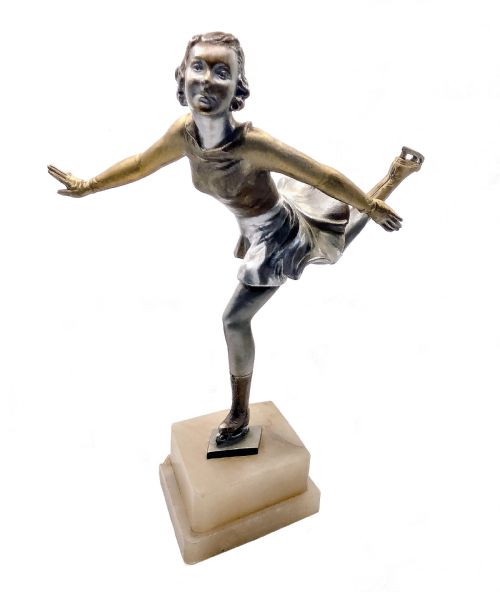
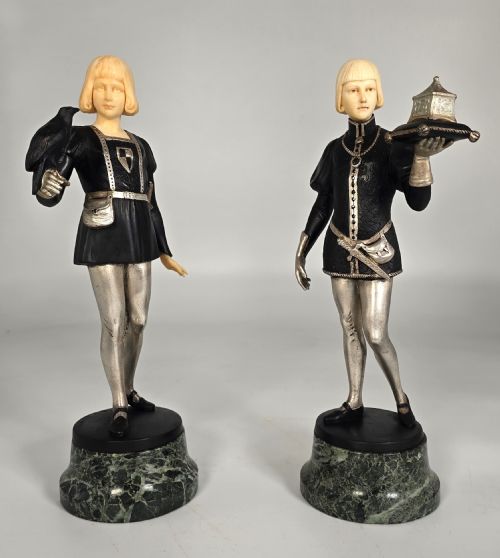
A silver bronze statue brings together metallic sheen and tactile form, offering collectors dynamic figurative work from the nineteenth and twentieth centuries.
Silver Bronze Statue
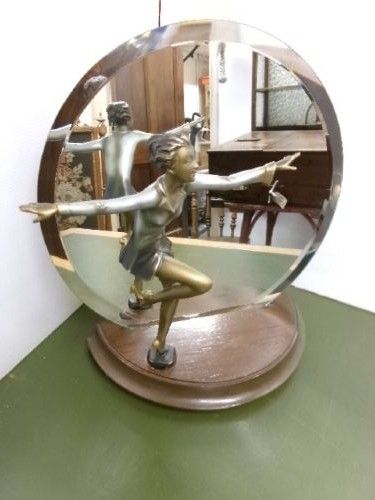
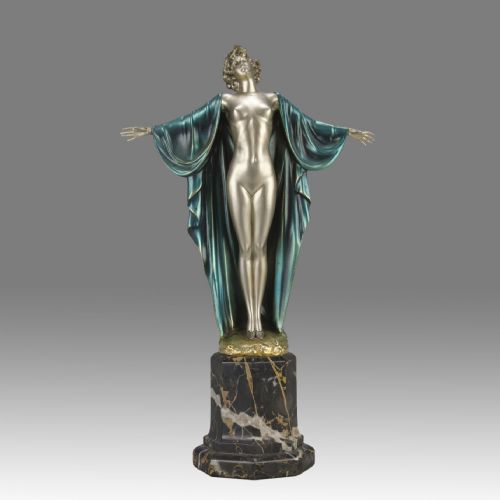
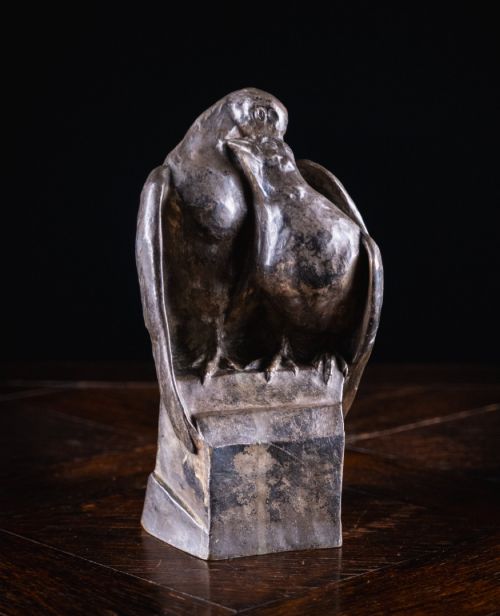
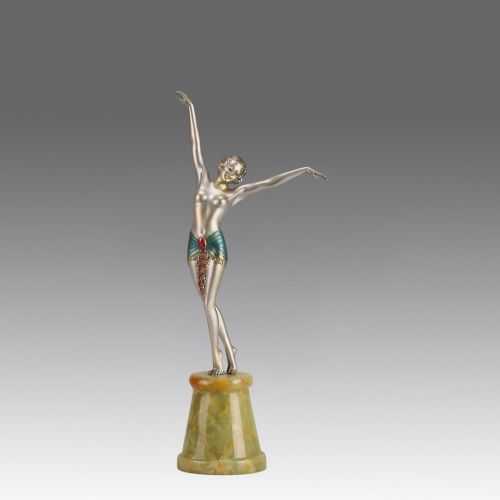
A silver bronze statue encompasses figurative sculptures, dancers, animals, and religious icons rendered in metal alloys, often finished with silvering or cold paint. Collectors seeking a silver bronze statue will frequently encounter twentieth-century Art Deco dancers, 19th-century Italian figures, and earlier Asian bronzes.
The selection ranges from French Art Deco dancers on marble bases to Japanese Meiji period birds and South Asian deities. Spelter and copper alloys also appear alongside traditional bronze, expanding the variety of sculptural forms.
Dating spans from pre-sixteenth century shrines to pieces from the 1880s, 1920s, and 1930s. The common thread is figurative representation cast in metal, frequently paired with stone bases or ivory details.
How they were made
Foundry techniques utilised bronze, copper alloys, and spelter, shaping figures through casting before applying surface finishes. Artisans added silvered coatings, cold-painted polychrome details, or enamel to enhance texture and visual depth.
Many figures incorporate multi-material construction, mounting metal castings onto bases of marble or onyx. Inlay work in copper and silver further distinguishes historical shrines and ritual objects.
The selection includes periods from pre-16th century Asian shrines to 1930s European Art Deco bookends.
What varies in quality
The distinction between tiers rests upon the crispness of the casting and the preservation of delicate surface finishes like cold paint or silvering. Sculptures originating from known studio workshops exhibit finer anatomical precision and more dynamic posture than standard commercial castings.
The integration of secondary materials, such as custom marble bases or intricate metal inlay, separates standard decorative objects from superior sculptural works.
Pierre le Faguays·Ferdinand Preiss·Josef Lorenzl·Frederique Cederlund-Ozanne·Gotthilf Jaeger·Claire Jeanne Roberte Colinet·Demetre Chiparus·Alexandre Kelety·Geo Maxim·Karl Hagenaur·Paul Joris·Carrier·Michel Decoux·Herzig·Antoine Bofill·Takamura Koun
The Silver Bronze Statue Glossary
- Cold Painted
- A method of applying non-fired paint to metal surfaces. This technique gives figurative bronzes vibrant polychrome garments and facial expressions.
- Spelter
- A zinc-based alloy commonly utilised as an economical alternative to bronze. It frequently appears in twentieth-century decorative figures.
- Silvered Bronze
- Bronze metal treated with a silver coating to impart a bright reflective finish. It highlights garment folds and metallic contours.
- Meiji Period
- The era in Japanese history spanning from 1868 to 1912. Metalwork from this time displays precise naturalistic animal and human forms.
- Art Deco
- A design style prominent in the 1920s and 1930s characterised by streamlined geometric shapes. Sculptures from this movement often depict dancers and athletic figures.
Silver Bronze Statue: Frequently Asked Questions
What materials make up these statues?
Sculptures utilise bronze, spelter, and copper alloys, frequently enhanced with silvered finishes, cold paint, and enamel work.
Many examples also incorporate contrasting elements like marble plinths, onyx bases, or inlaid metals.
How do I care for silvered bronze?
Maintain the metal surface by dusting gently with a soft dry cloth and avoiding harsh chemical polishes.
Keep pieces away from direct moisture and extreme humidity to protect fragile cold-painted or silvered layers.
When were Art Deco figures made?
Art Deco sculptural pieces in this category primarily date from the 1920s and 1930s.
This era produced dynamic depictions of dancers, animals, and modern figures often associated with French and Austrian studios.
How do I distinguish bronze from spelter?
Bronze offers a heavier weight and a warm metallic resonance when tapped, whereas spelter is lighter and softer.
Inspection of the underside often reveals the greyish underlying metal characteristic of zinc-based spelter castings.