
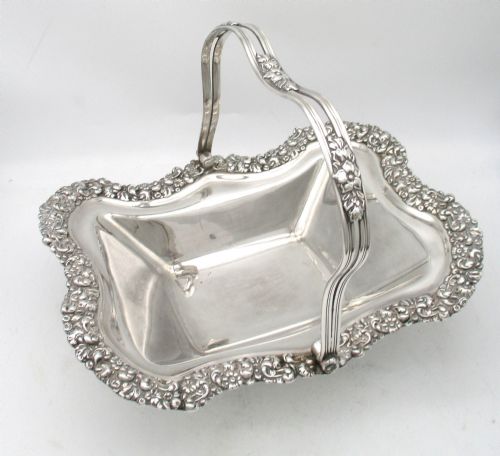
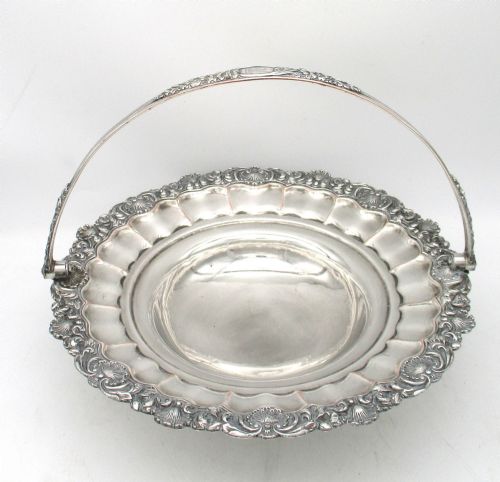


Silver Bread Bowl
A silver bread bowl brings functional elegance to a dining table, offering a polished surface for presentation.
Silver Bread Bowl
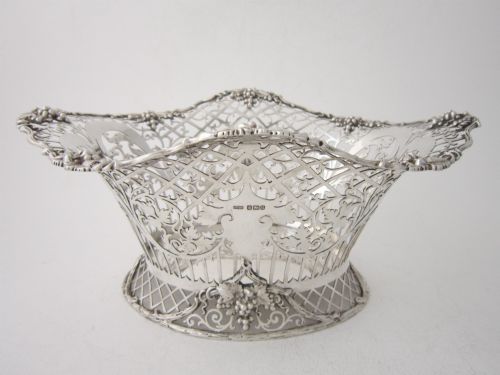
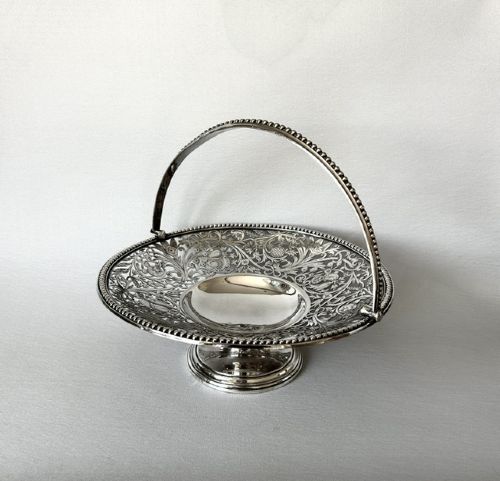
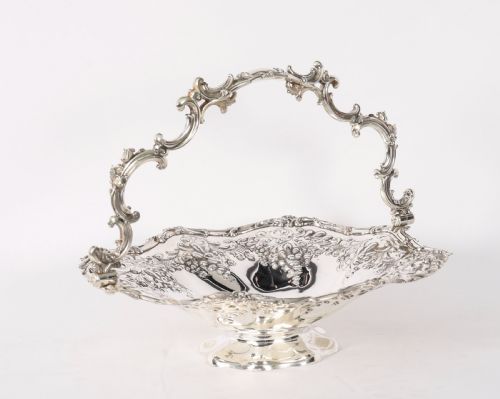
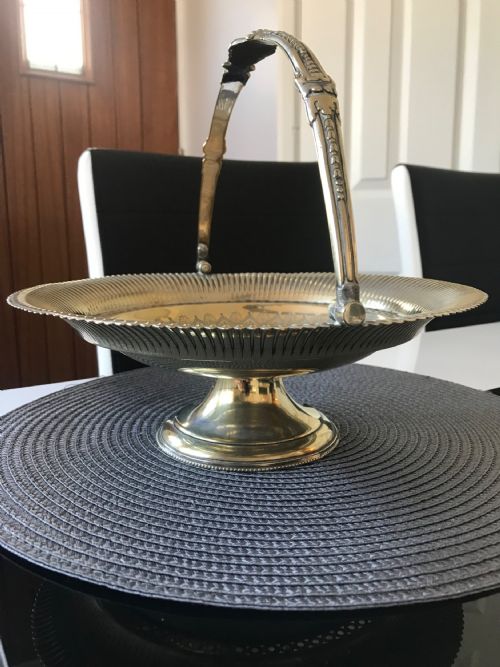
A silver bread bowl functions primarily as a serving vessel for the dining table, often appearing alongside related serving forms like fruit baskets and cake baskets. The selection ranges from solid sterling silver examples to silver plate, Old Sheffield Plate, electroplated nickel silver, copper, pewter and wood.
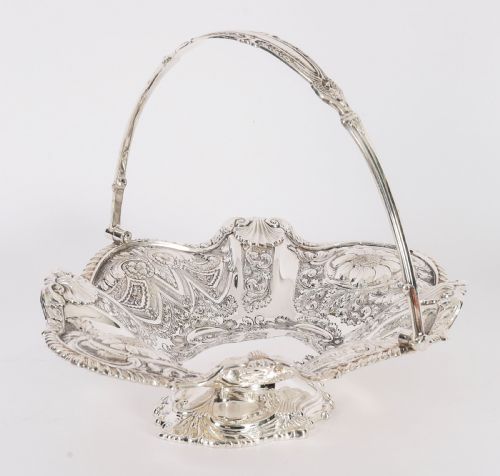
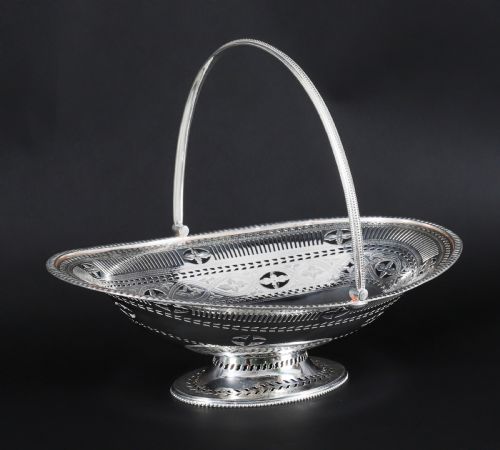
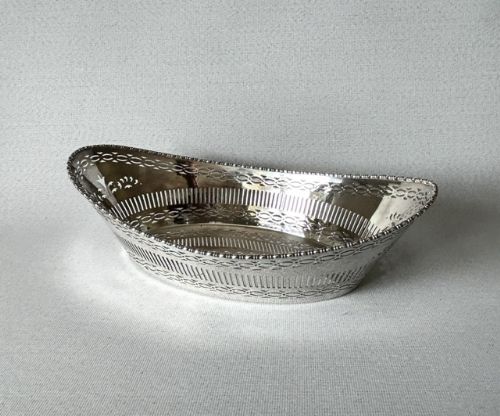
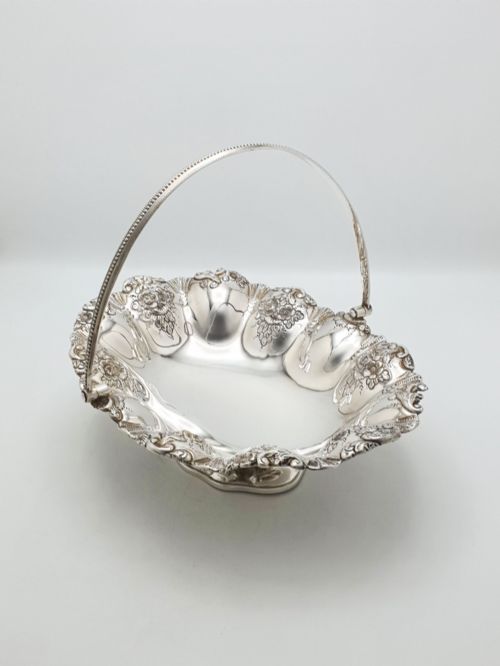
Most pieces date from the nineteenth century through the Edwardian period and the 1930s, reflecting styles from Victorian and Georgian to Art Deco and Rococo Revival. A buyer will frequently encounter silver plated versions alongside solid silver counterparts featuring pierced designs, swing handles or repoussé rims.
Materials and construction
Makers utilised sterling silver, silver plate, Old Sheffield Plate and pewter, shaping them through techniques such as piercing, wirework, hammering and repoussé ornamentation. Solid silver pieces required careful silversmithing to achieve structural integrity in open fretwork patterns.
Plated vessels relied on fusing silver to base metals or applying electroplating over nickel silver and copper. Details like floral engraving, crests and swing handles were integrated during construction to balance utility with decorative appeal.
Some nineteenth century bowls retain faint family crests, suggesting they survived generations of breakfast tables before reaching the marketplace.
Factors determining quality
Quality rests on the crispness of the piercing, the weight of the metal and the integrity of the surface finish. Solid silver and high-grade silver plate maintain distinct depth in repoussé work and engraving.
The finesse of the handle mechanism and the balance of the bowl itself distinguish workshop output. Superior examples display careful finishing on the underside and uniform application of plating or solid metal.
George W Scott And Sons Ltd·Mappin And Webb·Walker And Hall·William Comyns·Hammond Creake And Co·William Hutton And Sons·Martin Hall·Brille Paris·James Dixon·John Walton·Apollo Orfevrerie·Jay Richard Attenborough·Liberty And Co
The Silver Bread Bowl Glossary
- Sterling silver
- A silver alloy containing 92.5 percent pure silver and 7.5 percent other metals, usually copper. This standard ensures durability while maintaining the characteristic lustre of the precious metal.
- Silver plate
- A base metal substrate coated with a thin layer of silver. This technique provided a accessible alternative to solid silver for large dining vessels.
- Old Sheffield Plate
- An early method of fusing a thin sheet of sterling silver to a thicker copper core. Pieces produced this way often reveal subtle traces of copper along exposed edges.
- Repoussé
- A metalworking technique where the design is hammered into relief from the reverse side. It creates tactile floral or scroll motifs along the rim.
- Pierced work
- The practice of cutting decorative openings through the metal wall of a bowl or basket. This creates intricate geometric or botanical patterns that lighten the vessel's appearance.
Silver Bread Bowl: Frequently Asked Questions
What is a silver bread bowl used for?
These vessels served to present sliced bread or rolls at the dining table during formal meals. They also doubled as fruit baskets or general serving dishes.
Their open forms allowed air circulation around baked goods while displaying them prominently among tableware.
How do I clean a silver bread bowl?
Maintenance requires gentle cleaning with a specialised silver polish and a soft cloth to remove tarnish without scratching the surface. Harsh abrasives should be avoided, particularly on plated items where the underlying metal might be exposed.
Frequent, light cleaning preserves the original finish better than infrequent, aggressive scrubbing.
How can I tell solid silver from silver plate?
Solid silver pieces usually bear hallmarks indicating the assay office, standard and maker. Silver plate often shows maker marks specific to electroplating firms or displays subtle wear where the base metal beneath shows through.
Examining the edges and underside under good light reveals clues about the underlying material.
What periods are these bowls from?
The listings span from the Georgian era through the Victorian and Edwardian periods up to Art Deco designs of the 1930s. Each era brought distinct stylistic preferences, ranging from neoclassical restraint to heavy floral repoussé.
Matching the design motifs with known historical periods helps date unmarked or lightly marked pieces.