




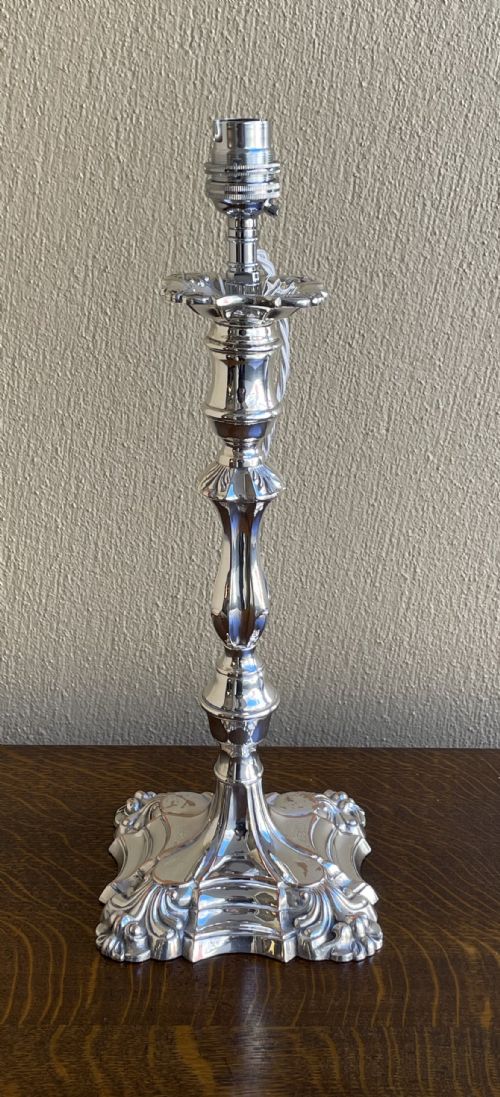
Silver Bedside Lamps
Silver bedside lamps bring warmth and character to a room, offering functional illumination paired with historical metalwork and classic forms.
Silver Bedside Lamps
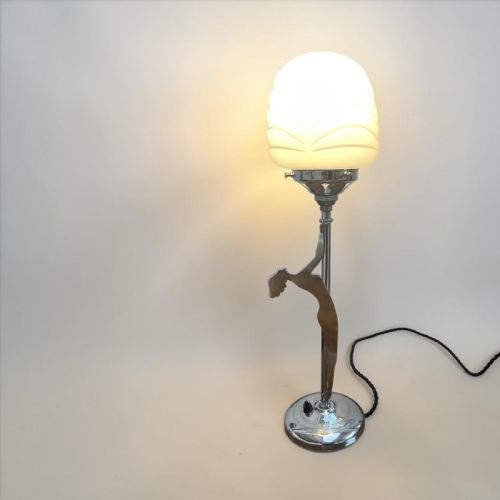
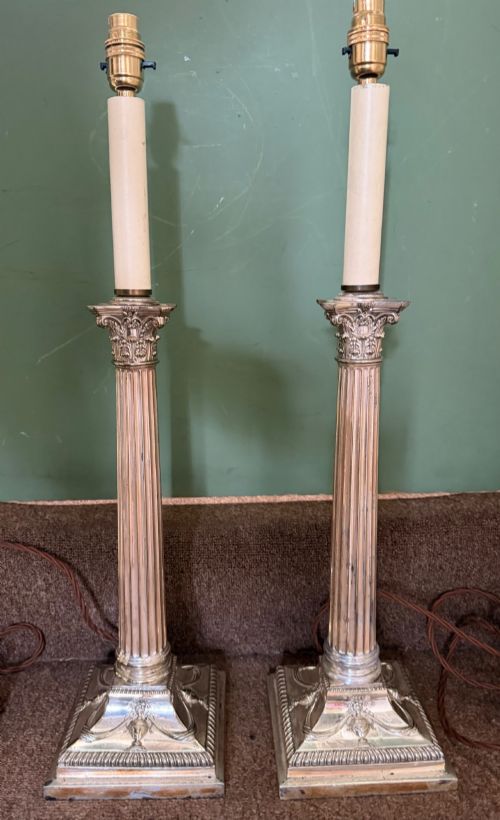
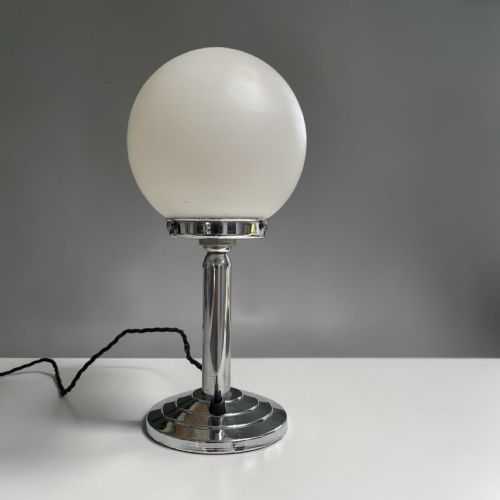
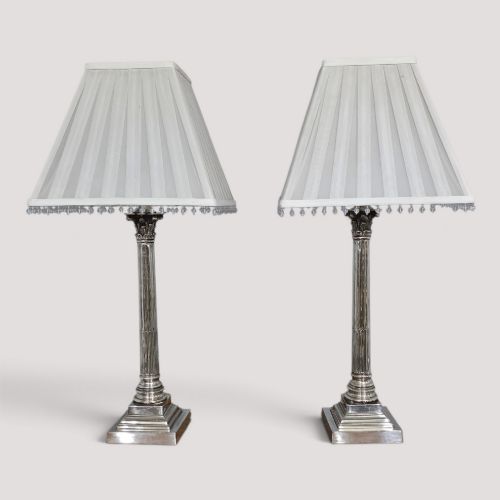
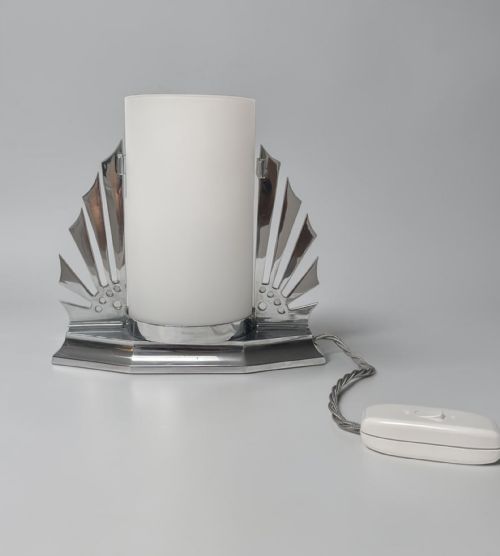
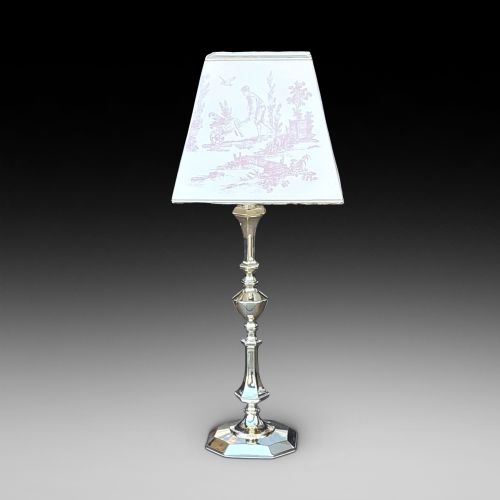
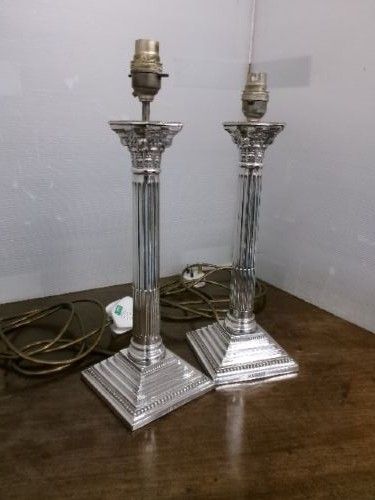
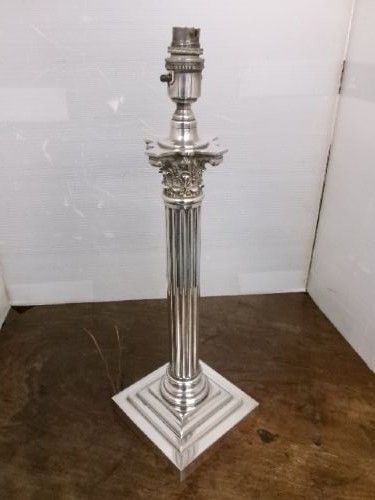
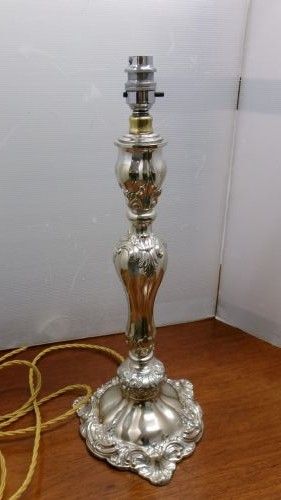
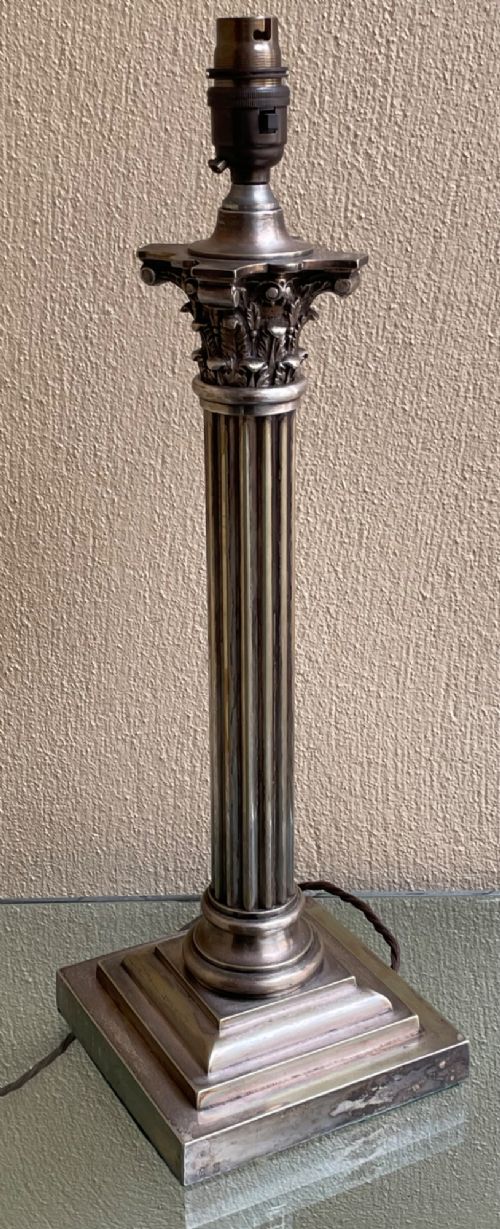
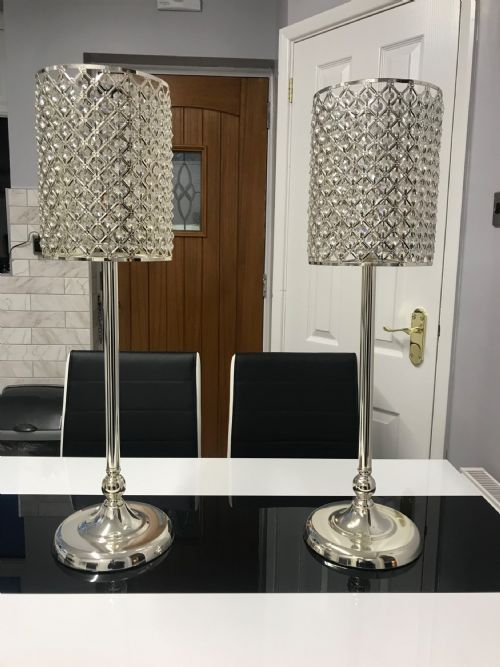
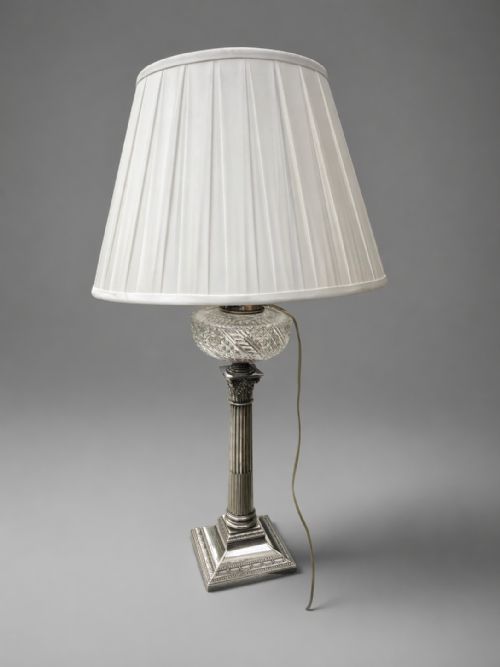
Silver bedside lamps encompass table lighting created across the Victorian, Edwardian, and Art Deco periods, drawing on styles such as Neoclassical revival and Georgian tradition. When searching for silver bedside lamps, collectors encounter everything from monumental Corinthian columns to geometric chrome designs.
Dating ranges from the late nineteenth century through the mid twentieth century, including pieces stamped by makers or marked by location. These lamps serve both as practical reading lights and as decorative objects reflecting changing aesthetic movements.
How they were made
Makers utilised base metals plated with silver or finished with chrome, nickel, and brass to achieve a lustrous appearance without the weight of solid silver. Silver plate and EPNS provide the reflective surfaces seen on classical column forms and decorative bases.
Figural and geometric creations combine cast metal structures with applied details, occasionally incorporating Bohemian crystal, glass, or parchment leather. Wiring and fittings were frequently updated during the twentieth century to accommodate modern electrical standards while retaining the antique body.
Silver Bedside Lamps Retail Price Guide 2026
Typical asking prices for silver bedside lamps among the pieces listed under this phrase on Sellingantiques today, from the lower quarter to the upper quarter. They describe what is for sale here now, not the wider market.
Listings span from the 1880s through the 1960s, encompassing Victorian, Edwardian, and Art Deco styles.
What varies in quality
Quality depends upon the crispness of casting detail, particularly on classical column fluting, lion's paw feet, and figural sculptures. Superior examples maintain an even plated finish and crisp maker's stamps.
The integrity of the construction, the weight of the metal base, and the preservation of original mounts distinguish finer examples from standard production pieces.
Harrison Brothers & Howson·Palmer & Co·Farraday & Son
The Silver Bedside Lamps Glossary
- Silver Plate
- A thin layer of silver applied to a base metal core, such as copper or brass, to provide a polished exterior. This technique made decorative lighting accessible during the Victorian and Edwardian eras.
- EPNS
- Electroplated Nickel Silver, a common base material used underneath silver plating. It became the industry standard for durable metalware from the nineteenth century onward.
- Corinthian Column
- A classical architectural column form featuring ornate capitals decorated with acanthus leaves. It remains a popular motif for traditional table lamps.
- Art Deco
- A design style spanning the interwar years characterised by geometric shapes, stylised figures, and streamlined metal finishes. Pieces from this era often utilise chrome and polished white metal.
- Gimbal
- A pivoted ring mounting that allows a lamp or light to remain level regardless of movement or inclination. These are frequently found on maritime and ship's lighting.
Silver Bedside Lamps: Frequently Asked Questions
What periods do these lamps come from?
The selection spans from the late nineteenth century, through the Victorian and Edwardian eras, into the Art Deco period of the 1920s, 1930s, and 1940s.
Later mid-century examples also appear, reflecting changing design tastes across several decades.
Are these lamps wired for modern use?
Many examples have been rewired or adapted for contemporary electrical systems while preserving the antique metal body.
Buyers should check individual listings to confirm the current wiring status and plug type.
What materials are used in these lamps?
Primary materials include silver plate, EPNS, chrome, brass, nickel, and polished white metal.
Complements include glass, Bohemian crystal, fabric, silk, and parchment leather for shades and decorative accents.
How do I identify an Art Deco lamp?
Art Deco lamps typically feature geometric lines, zig-zag motifs, or stylised figural elements such as athletes and dancers.
They frequently utilise chrome, polished white metal, or parchment rather than the classical column designs of earlier periods.