





Pair Silver Lamps
These pair silver lamps bring balanced illumination and architectural presence to a room, ranging from slender Corinthian columns to geometric Art Deco chrome fixtures.
Pair Silver Lamps
When you search for pair silver lamps, you encounter dual lighting fixtures designed to sit symmetrically on side tables, altars, or pedestals. The selection spans robust Victorian columns to streamlined 1930s modernist designs, reflecting how domestic lighting evolved from candle holders and oil lamps into electrified home fittings.
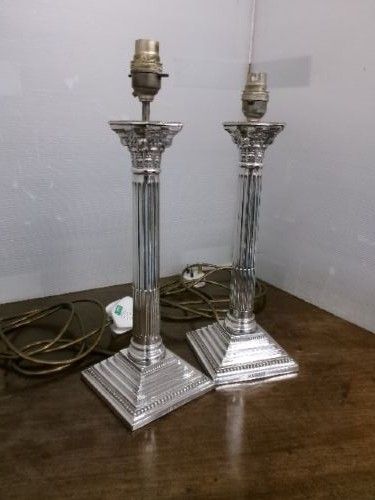
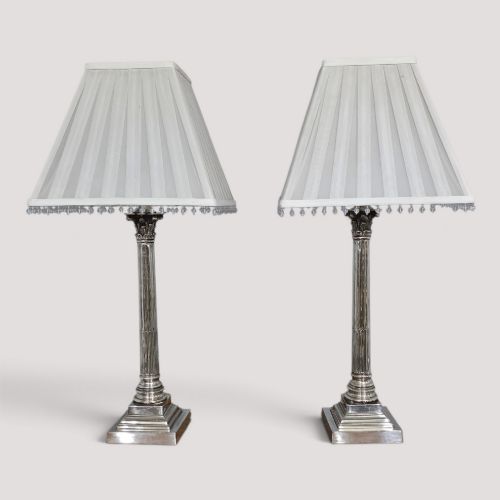
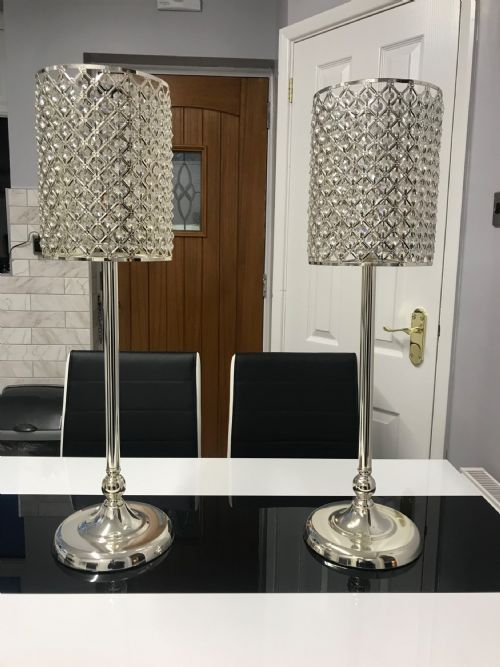
Silver plated metal and chrome dominate the available forms, often paired with cut crystal or frosted glass elements to diffuse light. You frequently meet monumental Corinthian column designs alongside more restrained early twentieth century candlesticks converted for electrical use.
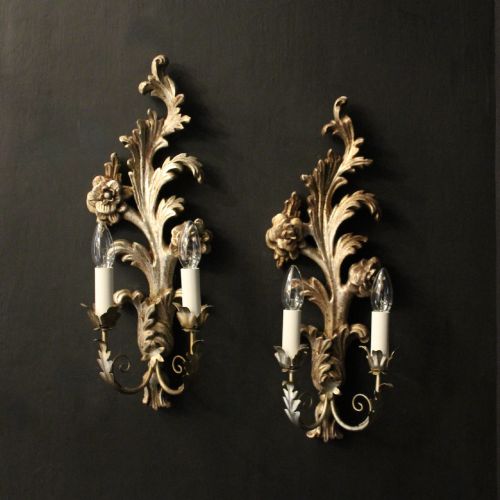
The objects serve both functional illumination and decorative symmetry, frequently appearing as matching wall sconces, candelabra, and table lamps. Their origins stretch from English workshops to French ateliers, showing diverse aesthetic revivals including Neoclassical and Rococo influences.
Materials and Construction
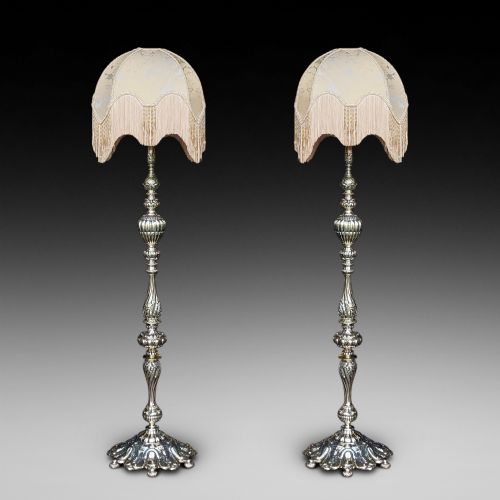
Silversmiths and metalworkers built these pieces using base metals such as brass, bronze, or copper coated in silver plate or nickel. Many Victorian and Edwardian examples utilise heavy cast brass columns finished with applied silver plating that catches the ambient light.
Later pieces from the 1920s and 1930s embrace industrial advancements, employing chrome plating and polished steel alongside moulded glass and crystal prisms. Carved timber forms also appear, finished with silver leaf or giltwood treatments for French and Florentine decorative schemes.
Pair Silver Lamps Retail Price Guide 2026
Typical asking prices for pair silver lamps among the pieces listed under this phrase on Sellingantiques today, from the lower quarter to the upper quarter. They describe what is for sale here now, not the wider market.
Several heavy metal columns started life illuminating ecclesiastical altars before finding a second career lighting up modern sitting rooms.
Assessing Craftsmanship
The distinction between standard utility lighting and superior examples lies in the weight of the casting and the crispness of the chased or moulded detail. Corinthian column lamps with deeply articulated acanthus leaves and weighted bases demonstrate superior construction compared to lighter, pressed metal alternatives.
Original surface preservation heavily influences the character of silver plated and silvered pieces. Items retaining their unpolished patination and original glass components present a more authentic historical integrity than heavily re-plated or mismatched substitutes.
Mappin and Webb·HW and Co
The Pair Silver Lamps Glossary
- Silver Plate
- A thin layer of silver applied to a base metal such as copper or brass. This technique allowed makers to produce substantial domestic items at a lower cost than solid sterling silver.
- Corinthian Column
- An architectural support style featuring ornate acanthus leaves and scrollwork at the capital. This classical form was frequently adapted for heavy nineteenth and early twentieth century table lamps.
- Pricket Candlestick
- A lighting form featuring a central spike designed to impound a wax candle. Many antique examples were later adapted into electrical lamps.
- Giltwood
- Timber that has been coated with a thin layer of gold leaf or metallic gilt paint. It appears frequently on decorative Italian and French wall lights.
- Gimbal
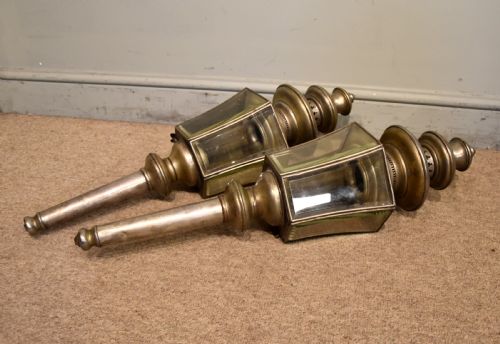
- A pivoted ring mounting that allows a lamp or light to remain level regardless of motion. These were commonly utilised in maritime environments on ships and coaches.
Pair Silver Lamps: Frequently Asked Questions
How do I date these lamps?
Stylistic markers and manufacturing materials help establish the period of a pair. Victorian examples often feature heavy cast brass or silver-plated Corinthian columns, whereas 1930s pieces lean towards chrome finishes, geometric shapes, and modernist lines.
Examining the internal wiring channels, base weights, and assembly screws provides further clues to the decade of production. Patent marks or maker stamps stamped into the metal base offer definitive chronological anchors.
Were these originally electric?
Many older pairs began their lives as oil lamps, church prickets, or candle holders before undergoing conversion for electrical use. This adaptation process often occurred mid-century to meet modern domestic lighting demands.
Converted pieces retain their original weight and hand-finished metalwork while incorporating modern internal fittings for safe daily use in contemporary homes.
How do I clean silver plated lamps?
Maintenance requires gentle dusting with a soft, dry microfibre cloth to prevent the accumulation of dirt in recessed chasing and decorative mouldings. Abrasive polishes should be avoided because they wear away the thin silver plate over time.
If cleaning is necessary, a specialist silver foam used sparingly helps preserve the dark patination in the crevices while gently lifting surface grime from the raised high points.
Can I use modern shades?
Standard shade carriers and modern bulb fittings fit the majority of these fixtures, provided the harp or shade ring matches the specific burner or gallery dimensions. Selecting a shade proportioned to the height of the column ensures balanced visual weight.
Plain silk, linen, or parchment shades complement the reflective surfaces of chrome and silver plate without distracting from the intricate metalwork of the base.