


Silver Animal Ornament
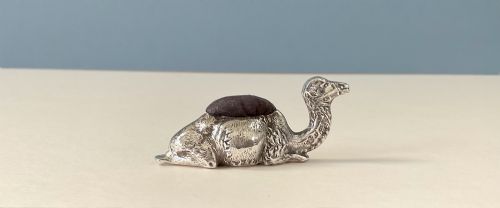
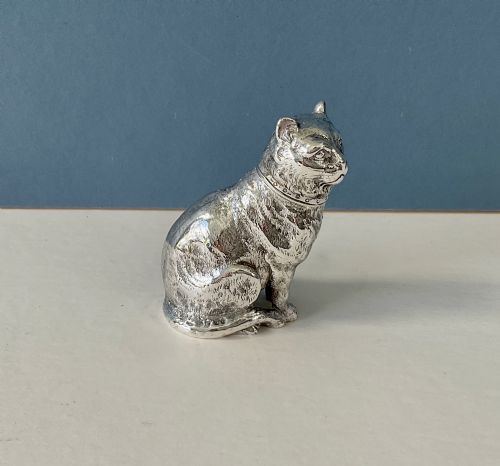
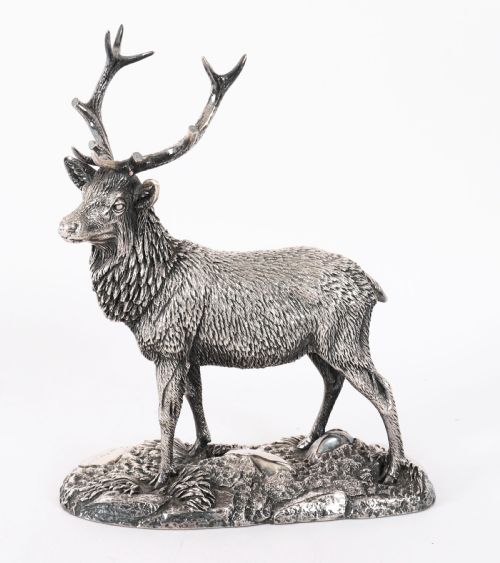
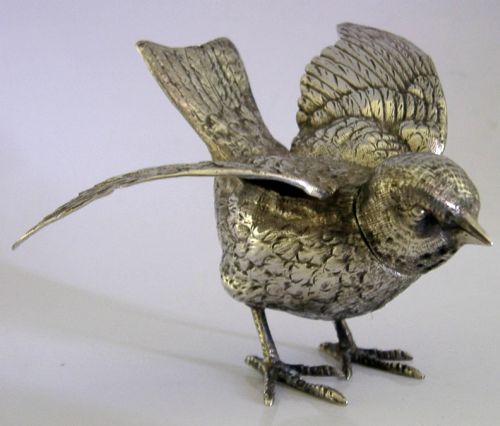
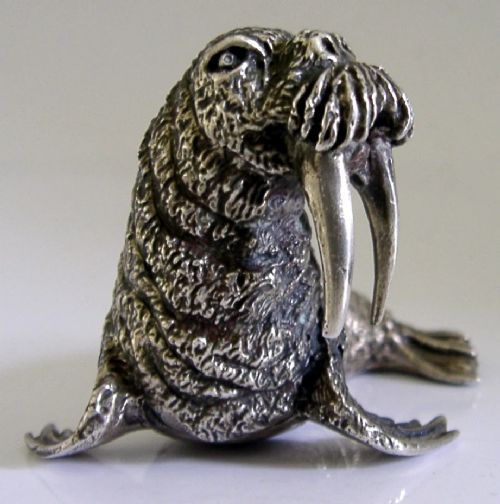
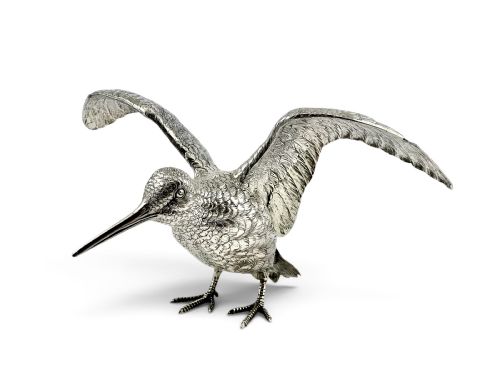
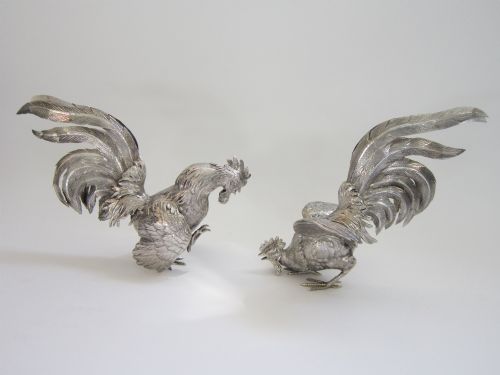
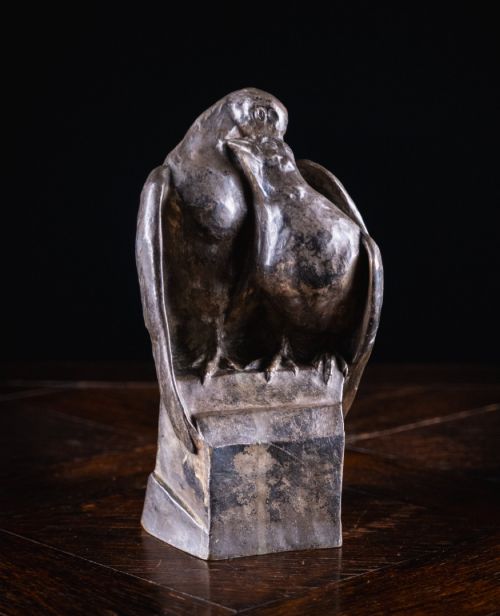
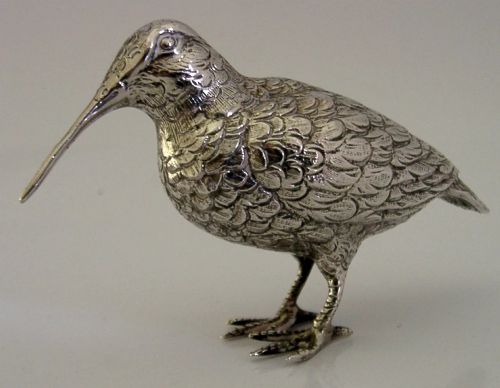
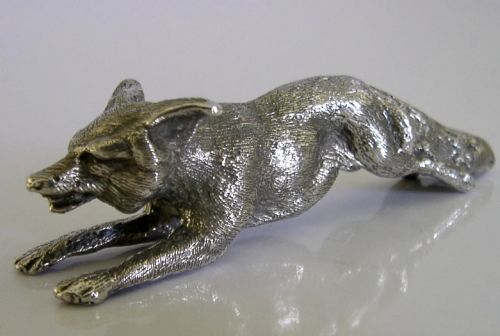
A silver animal ornament brings character and craftsmanship to a room, taking the form of detailed birds, foxes, and camels crafted across the Victorian and Mid-Century periods.
Silver Animal Ornament
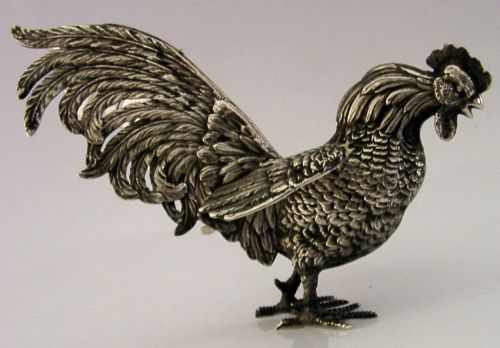
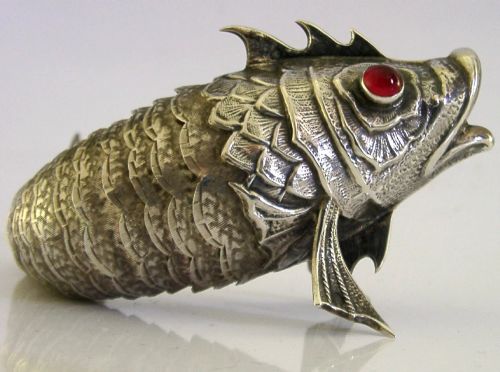
A silver animal ornament takes many functional and decorative shapes, spanning table ornaments, sculptures, pepper pots, pin cushions, and sugar boxes. Collectors seek these pieces for their charm and the varied representations of wildlife, from farmyard cockerels to sea creatures and woodland birds.
The objects originate from multiple European makers and English workshops, appearing in periods from the late Victorian era through the Edwardian years and into the mid-twentieth century. Pin cushions and pepper pots remain the most common domestic forms encountered in this selection.
Makers utilised distinct regional styles, producing everything from heavy cast English figures to articulated continental novelties. Each piece reflects the aesthetic of its decade, whether the ornate detailing of the Edwardian period or the streamlined forms of later decades.
Materials and construction methods
Silversmiths employed solid sterling silver, 833 silver, and 915 silver alongside silvered bronze to construct these figures. Many smaller domestic items integrate velvet or fabric pads within pin cushion designs.
Assessing quality and craftsmanship
Quality rests primarily on the crispness of the hand-chased surface detail, particularly in the rendering of feathers, fur, and facial expressions. Superior examples display realistic proportions and balanced weight without relying on excessive filler materials.
Tom Mackie·Frederique Cederlund-Ozanne·Berthold Muller·Mario Bucellati·Michel Decoux
The Silver Animal Ornament Glossary
- Pin Cushion
- A small decorative object incorporating a padded insert of fabric or velvet designed to hold sewing pins. These items often took novelty animal shapes during the Edwardian period.
- Animalier
- A nineteenth-century artistic style focusing on the realistic depiction of animals in sculpture and decorative objects. Practitioners of this style prioritised accurate anatomy and dynamic posture.
- Hallmark
- An official stamp applied by an assay office to indicate the purity of the metal and the year of manufacture. English and continental pieces carry distinct marks that verify their origin.
- Chasing
- A metalsmithing technique used to decorate the exterior surface of silver by hammering tools against the metal. This method creates textured details such as bird plumage or animal fur.
Silver Animal Ornament: Frequently Asked Questions
How were silver animal pepper pots used?
These pepper pots served a practical function on the dining table while introducing whimsical decorative elements to formal meals. Servants filled the hollow bodies with seasoning, which dispensed through pierced holes in the head or beak.
Collectors often display them as cabinet pieces rather than utilising them for dining today. Their small scale made them versatile additions to Victorian and Edwardian tables.
How do I identify an Edwardian pin cushion?
Edwardian pin cushions typically feature small domestic animals or wildlife mounted on a silver base with a contrasting velvet or fabric pad inserted into the body or back. Makers utilised sterling silver for the cast frames, which often bear London or Birmingham assay marks from the early nineteen hundreds.
These functional sewing accessories reflect the Victorian and Edwardian taste for novelty silver. The fabric pads show wear consistent with age and actual domestic use.
Are silver animal ornaments marked with hallmarks?
Many pieces carry standard assay office marks, maker stamps, or purity numbers indicating where and when they were made. English items display leopard heads, lion passants, and date letters, while continental pieces often feature standard numerical purity grades.
Unmarked examples still appear, particularly among older continental or unassayed decorative figures. Evaluating the weight, construction technique, and surface patina helps determine authenticity.
How should I clean antique silver figures?
Maintenance requires a soft microfiber cloth and mild silver polish applied sparingly to avoid damaging delicate chased details or fabric inserts. Regular dusting prevents tarnish accumulation in the recessed crevices of feathers and fur.
Aggressive chemical dips can strip the desirable darker patina from older pieces. Preserving the surface character remains essential for retaining the visual depth of the chasing.