
Silver Albert Fob
A silver albert fob brings together the practical history of pocket timepieces and the detailed craft of Victorian and twentieth-century metalwork.
Silver Albert Fob
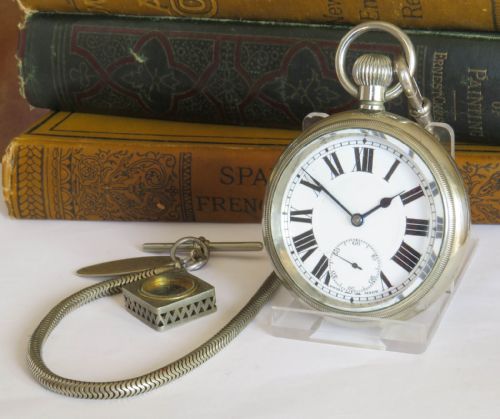
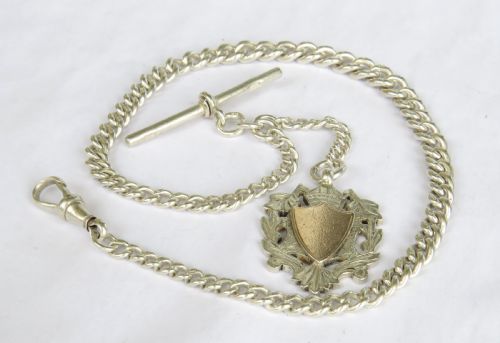
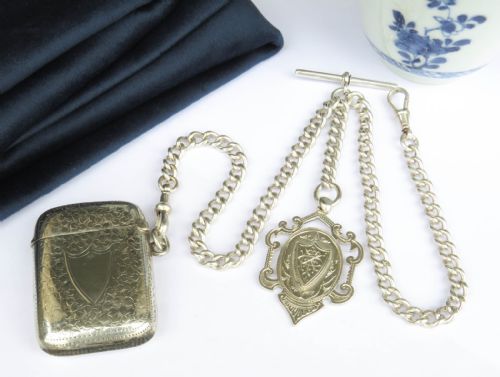
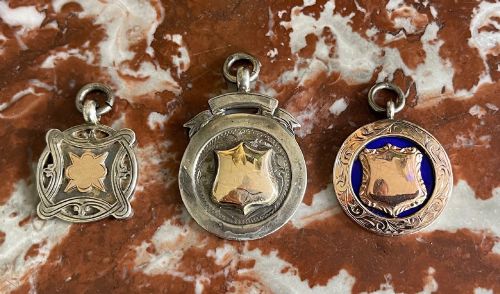
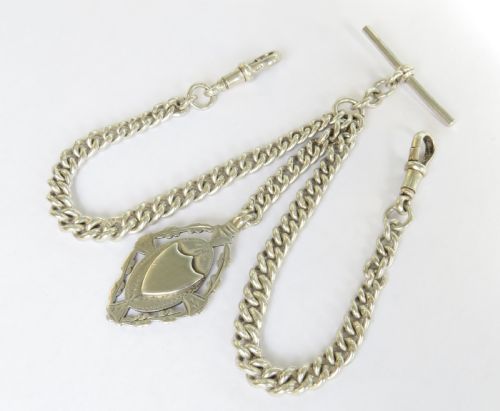
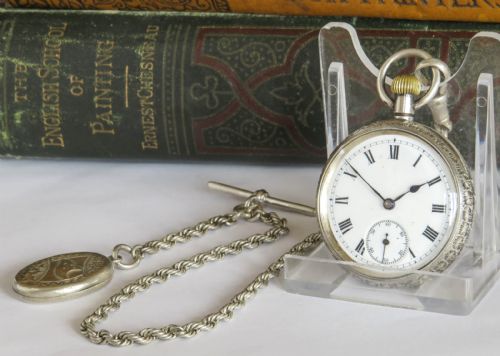
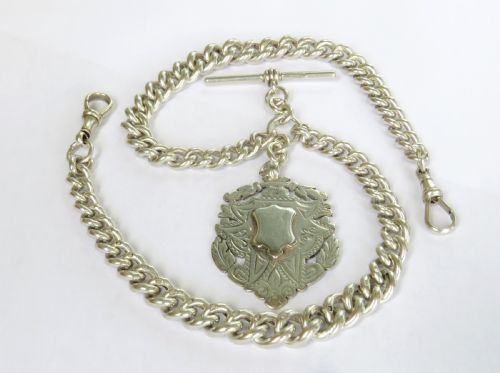
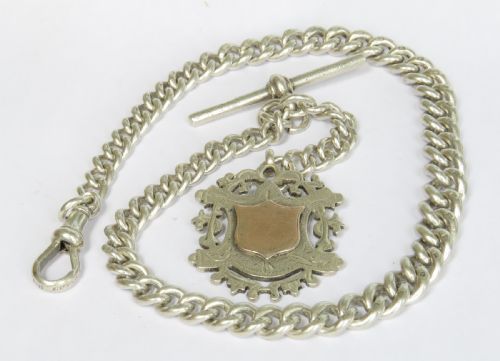
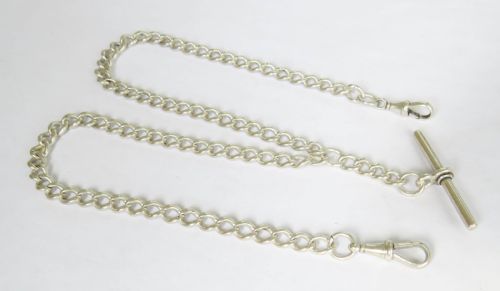
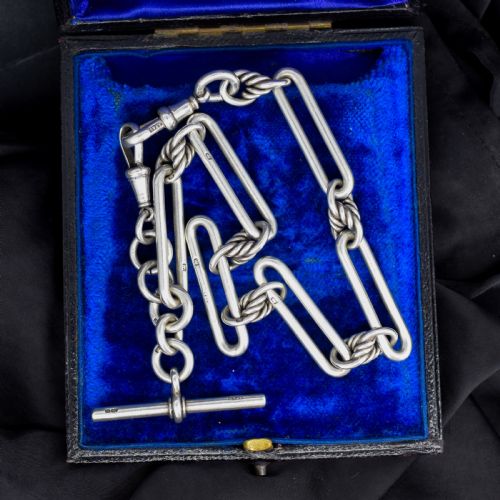
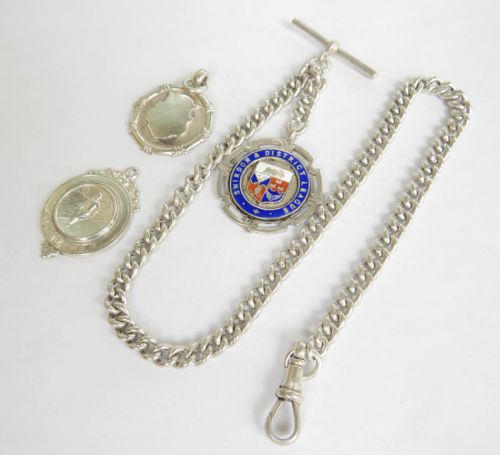
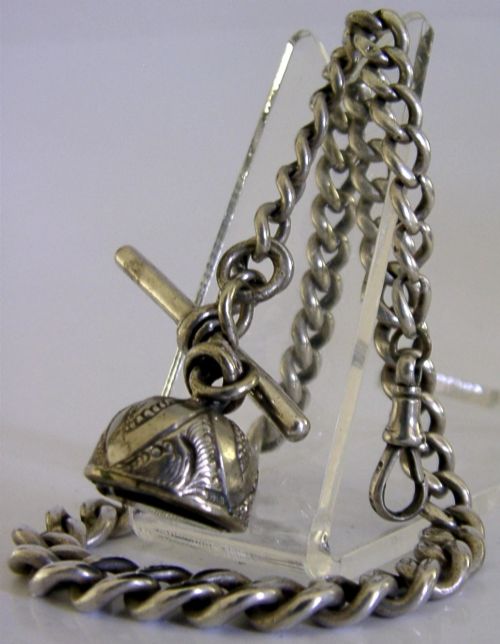
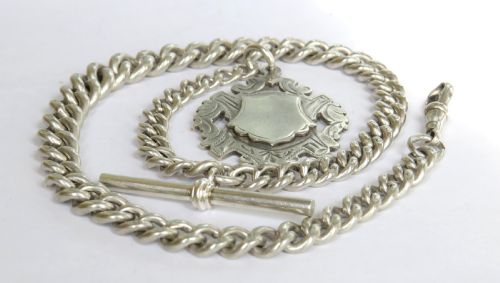
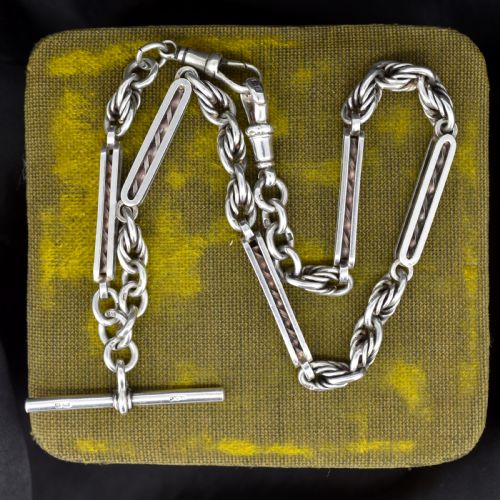
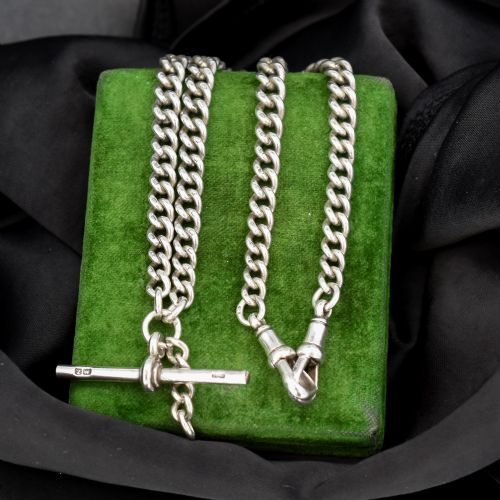
A silver albert fob comprises a heavy watch chain designed to secure a pocket timepiece, accompanied by a pendant charm or medal known as a fob. When you search for this phrase, you encounter wearable items originating predominantly from the Victorian, Edwardian, and Art Deco periods, extending into the 1930s and 1940s. The most frequent configurations on this page pair robust curb, trombone, or figaro link chains with matching silver medallions, football fobs, compasses, or vestas.
The objects served both a functional role for securing waistcoats and pocket watches and a commemorative purpose through engraved sports, Masonic, or RAOB medals. Double albert chains pass through a central buttonhole with drops on either side, while single albert chains attach from pocket to lapel or buttonhole. Many surviving pieces incorporate dog clips, T-bars, and swivel connectors alongside the primary pendant.
Originating largely from British silversmiths and regional assay offices such as Birmingham, these items often display hallmarks dating the precise year of manufacture. Alongside standard pocket watch accessories, the selection frequently incorporates alternative formats like albertina bracelets or necklaces adapted for contemporary wear. This mix of utility and decorative heraldry defines the category for collectors today.
Materials and construction
The primary material is sterling silver or solid silver, occasionally enhanced with gold accents, silver gilt, or coloured enamel detailing. Links were individually formed, shaped, and soldered by hand or stamped in workshops, then assembled into sturdy chains designed to withstand daily wear. Enamel work on specific fobs involved fusing powdered glass to metal surfaces under high heat to create crisp sporting or pictorial designs.
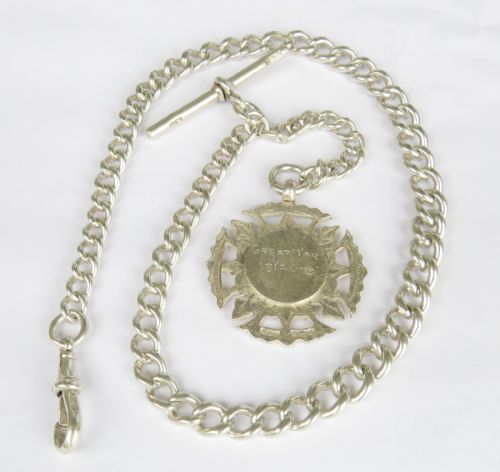
Hallmarking was standard practice for British silver, stamping assay office marks, date letters, and maker initials directly onto links, T-bars, and medals. Fobs often featured intricate hand-engraving, relief casting, or applied shields for presentation inscriptions, depicting sports teams, lodge emblems, or presentation dates. Mechanical elements like dog clips and spring swivels relied on steel springs housed within silver housings to ensure secure fastening.
Listings feature sterling silver and silver constructions spanning the Victorian era through the Edwardian period and into the 1930s and 1940s.
Evaluating quality
Quality rests upon the weight of the silver and the integrity of the individual links forming the chain. Substantial, heavy-gauge examples command attention due to the sheer volume of precious metal and the resilience of their construction. Conversely, lighter or hollow pieces show greater susceptibility to wear at the pivot points of each link.
The artistry and complexity of the accompanying fob distinguish exceptional specimens from standard utility pieces. Hand-engraved heraldry, multi-coloured enamel work, and multi-medal assemblies indicate superior workshop execution compared to mass-produced stamped medallions. Original matching components, where every dog clip and T-bar shares identical hallmarks, retain higher integrity than assembled pairings.
The Silver Albert Fob Glossary
- Fob
- A small medallion, seal, or charm attached to a pocket watch chain. They often commemorate specific events, sports victories, or lodge memberships.
- T-bar
- The crossbar attached to the middle of an albert chain that slips through a waistcoat buttonhole to anchor the chain securely. It is frequently hallmarked.
- Dog clip
- A spring-loaded swivel fastener attached to the end of a watch chain to connect the timepiece or pendant securely. This mechanism allows the attached item to rotate freely without twisting the metal links.
- Albertina
- A delicate variation of the albert chain, traditionally worn by women and often featuring multiple strands or integrated tassels. These are frequently utilised today as bracelets or necklaces.
- Vesta
- A small pocket container designed to hold matches, frequently found paired alongside watch chains on the same suspension drop. They often share matching engraving with the associated fob.
Silver Albert Fob: Frequently Asked Questions
How do I wear an albert chain today?
An albert chain can be worn across the front of a waistcoat by passing the T-bar through the central buttonhole and securing the watch in the pocket. Alternatively, many owners detach the watch and wear the chain as a necklace or choker.
Shorter lengths and albertina variations adapt well as wrap bracelets or layered neckwear. The integrated dog clips make attaching the ends to modern clothing or existing loops straightforward.
How can I date my silver watch chain?
British silver watch chains usually carry clear hallmarks stamped directly onto the links, T-bar, or dog clips. These marks identify the assay office, such as Birmingham or Sheffield, alongside a specific date letter.
Matching the stamped date letter against official assay office tables reveals the exact year of manufacture. Medals and fobs attached to the chain often bear independent engravings or hallmarks that corroborate this timeline.
What were fobs originally used for?
Fobs originally served as counterweights and decorative pendants to help pull pocket watches smoothly from tight pockets. Over time, they evolved into miniature awards for sports competitions, shooting matches, and fraternal memberships.
Organisations like the RAOB, Masonic lodges, and football leagues commissioned bespoke silver fobs to commemorate achievements. Recipients wore them daily as symbols of status, allegiance, and personal history.