

Silver Accessory Holder
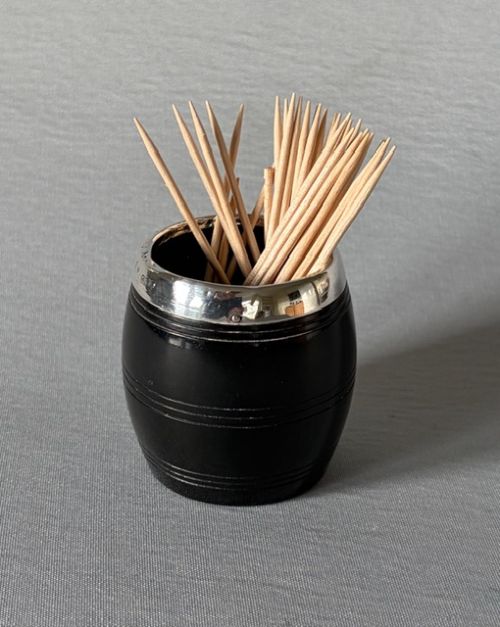
A silver accessory holder brings practical elegance to the tabletop or desk, ranging from desk accessories and vesta cases to napkin rings and menu holders.
Silver Accessory Holder
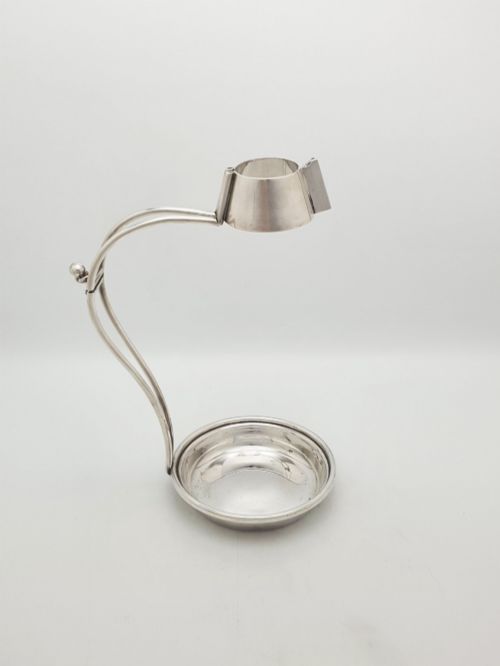
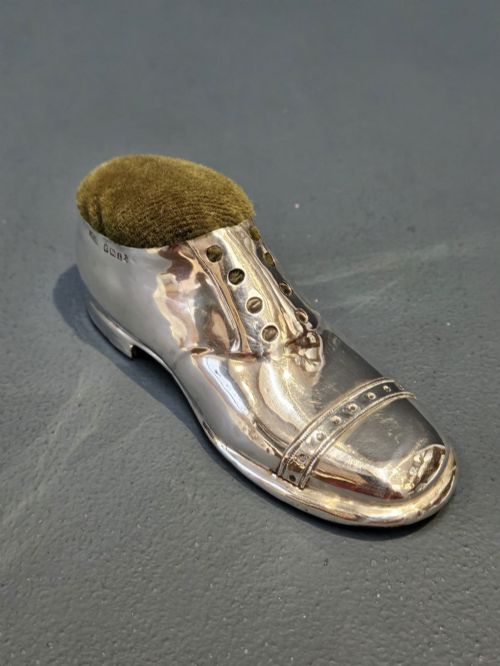
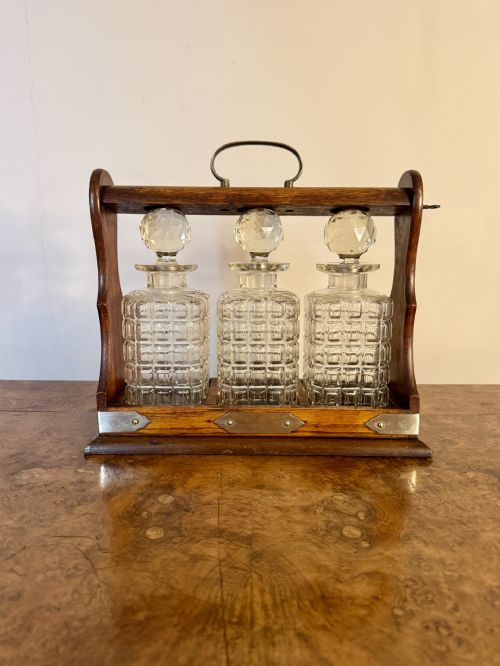
A silver accessory holder encompasses a diverse group of functional objects designed for personal use, dining, and writing desks. When searching this phrase, buyers encounter items produced across the Victorian, Edwardian, and Art Deco periods, extending into the mid-twentieth century.
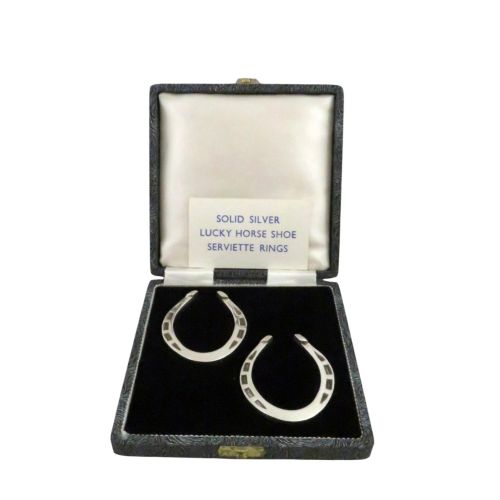
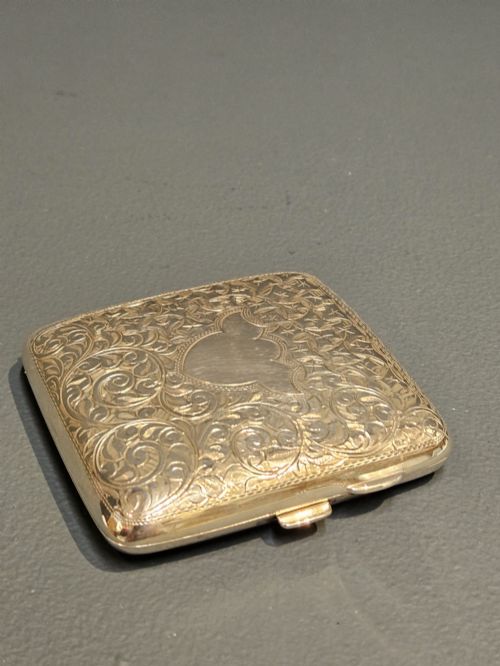
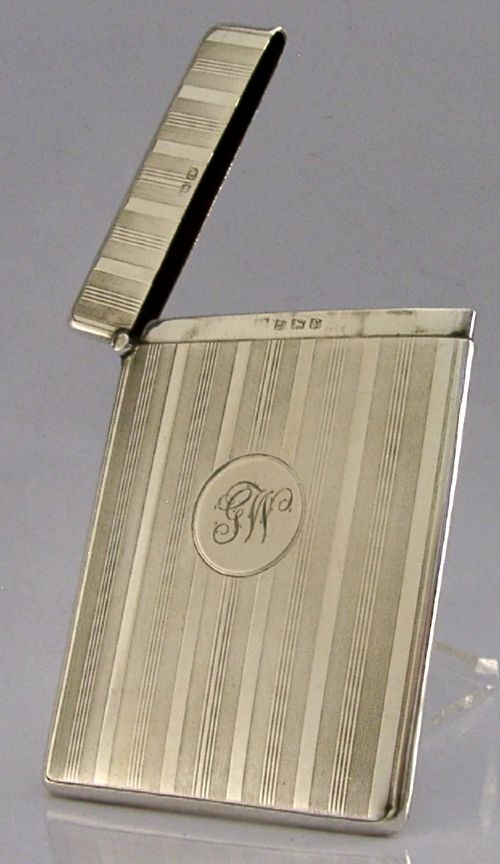
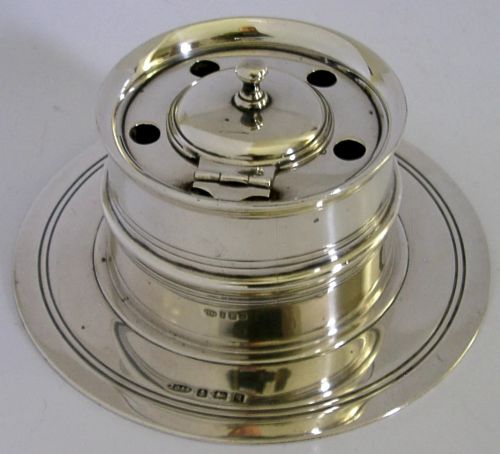
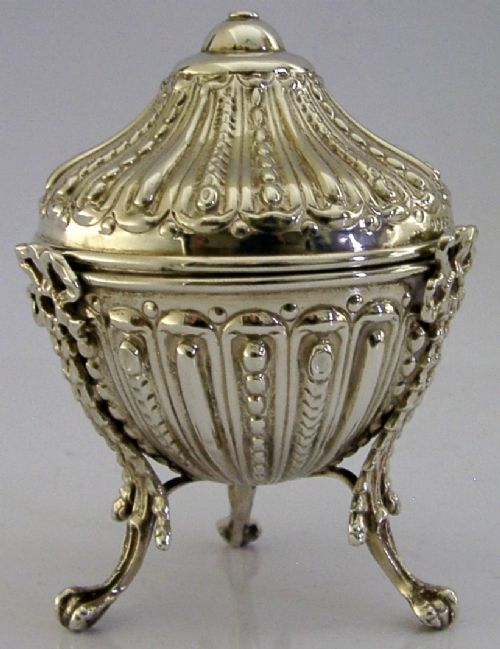
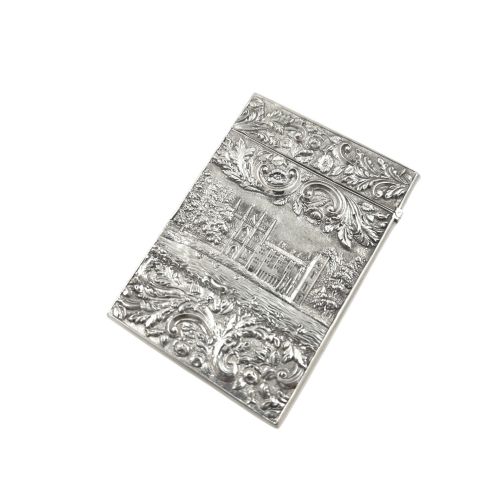
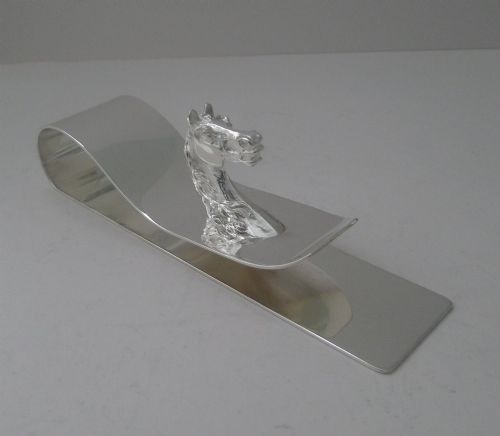
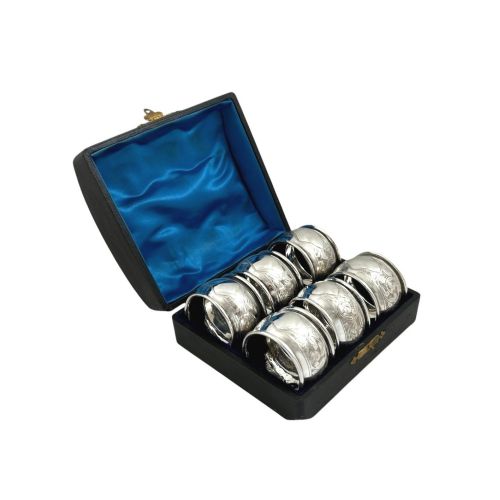
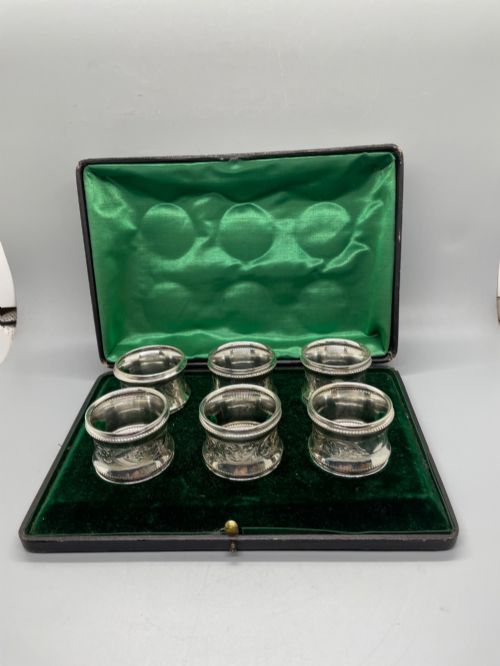
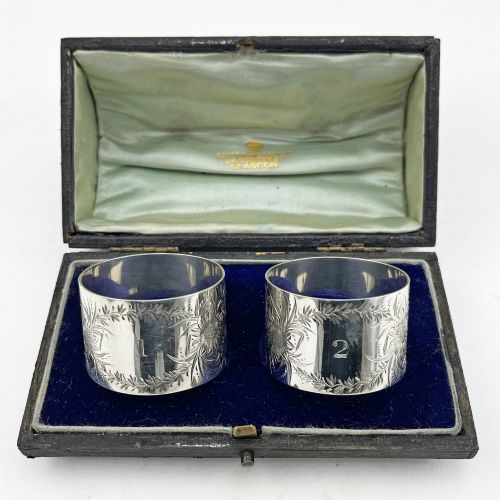
The selections on this page span distinct forms, including card cases, cigar and cheroot cases, napkin rings, menu holders, and stamp boxes. Many pieces originate from British assay offices such as London, Birmingham, and Chester, alongside continental European makers.
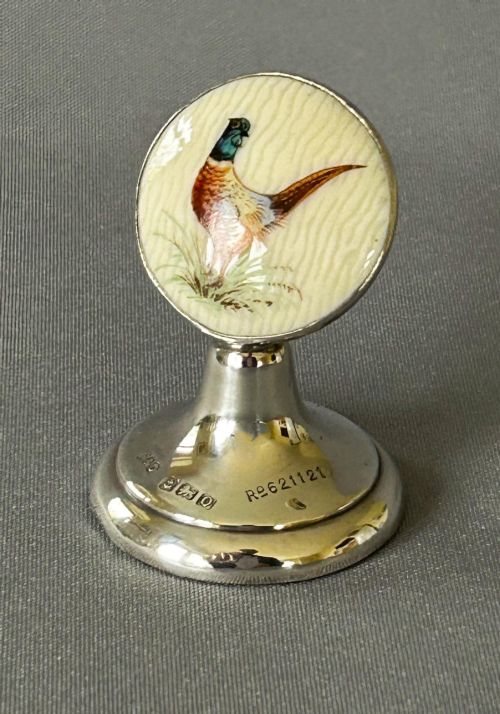
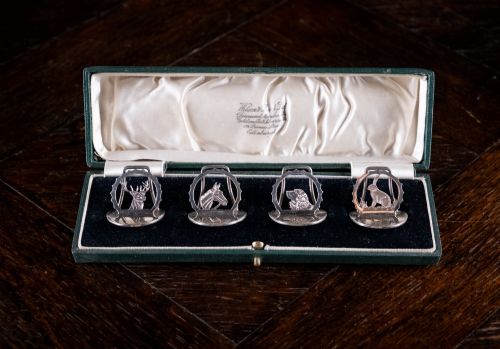
Tabletop forms like menu holders, place card holders, and desk candlesticks appear frequently, often matched in pairs or sets. Personal items such as vesta cases and pocket card cases demonstrate the everyday utility of precious metal in past centuries.
Materials and construction
Makers utilised sterling silver, silver plate, Old Sheffield plate, and occasionally .900 or .935 continental silver. Interiors of boxes and cases frequently incorporate linings of velvet, silk, leather, or leatherette to protect delicate contents.
Techniques varied from chased and pierced decoration to engine-turning, enamel work, and silver gilt applications. Artisan workshops employed casting, hammering, and fine mounting to assemble hinges, clasps, and structural frames.
Silver Accessory Holder Retail Price Guide 2026
Typical asking prices for silver accessory holder among the pieces listed under this phrase on Sellingantiques today, from the lower quarter to the upper quarter. They describe what is for sale here now, not the wider market.
Listings include items manufactured in Britain, Austria, and India, reflecting international styles from the nineteenth and twentieth centuries.
Assessing quality and distinction
The distinction between standard items and superior examples lies in the crispness of the chasing, the precision of piercing, and the integrity of hinges and closures. Pieces featuring figural designs, such as animals or maiden motifs, demand greater sculptural skill from the maker.
Design influences from specific movements, including Art Nouveau, Arts and Crafts, and Art Deco, elevate the artistic merit of an accessory holder. Complete cased sets or pieces bearing marks from notable silversmiths command stronger interest from collectors.
A Wilcox·Mappin and Webb·Joseph Gloster Ltd·John Reilly·Sampson Mordan·Carl Heiss·Archibald Knox for Liberty and Co
The Silver Accessory Holder Glossary
- Vesta case
- A small pocket container designed to hold matches and keep them dry. These often feature hinged lids and integrated striking surfaces on the base.
- Menu holder
- A small desk or tabletop stand intended to display dinner menus or place cards. They frequently feature decorative figural or architectural motifs.
- Sterling silver
- An alloy of silver containing 92.5 percent pure silver and 7.5 percent other metals, usually copper, ensuring durability for daily items. British pieces carry standard assay marks to verify this standard.
- Silver plate
- A base metal foundation coated with a layer of pure silver. Techniques like Old Sheffield plate fused silver to a copper core.
- Silver gilt
- Silver that has been coated with a thin layer of gold on its surface. This technique provided a rich two-tone appearance inside boxes and card cases.
Silver Accessory Holder: Frequently Asked Questions
What are silver accessory holders used for?
These items served practical functions in daily domestic and social life, from organising correspondence and lighting cigars to setting formal dining tables.
Personal versions carried matches, visiting cards, or currency in pockets, while desk and tabletop versions kept stamps, place cards, and tapersticks close at hand.
How can I tell the period of a piece?
British pieces typically rely on assay office hallmarks, date letters, and maker's marks stamped directly onto the metal. These stamps indicate the specific year and town of manufacture.
Stylistic cues also help identify periods, such as the flowing organic lines of Art Nouveau or the geometric patterns typical of Art Deco design.
How do I care for antique silver items?
Silver naturally tarnishes when exposed to air and handling, requiring occasional gentle cleaning with a soft cloth and specialised silver polish. Avoid abrasive materials that can wear down delicate chased details or thin plating.
Store pieces in dry environments away from direct sunlight, and protect lined interiors made of velvet or leather from excessive moisture.