
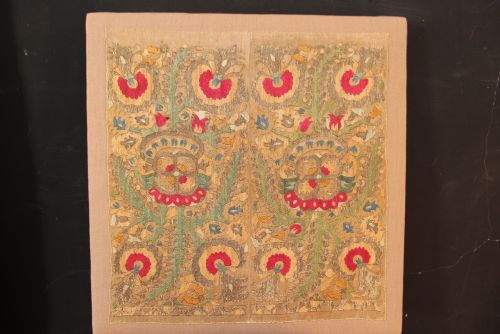


Silk Thread Wall Hanging
A silk thread wall hanging brings centuries of textile artistry into a room, offering rich regional designs executed in vibrant fibres.
Silk Thread Wall Hanging
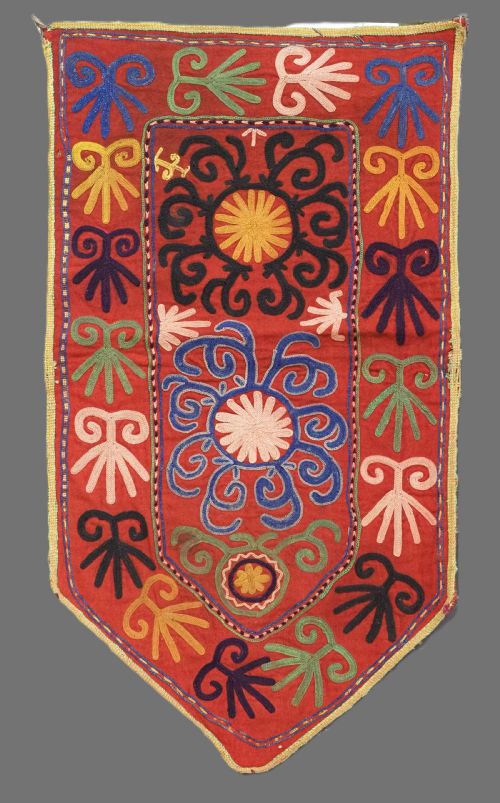
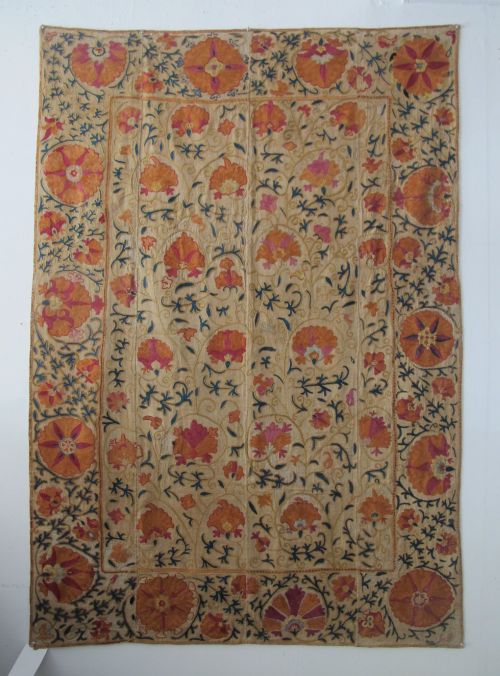
When you search for a silk thread wall hanging, you encounter embroidered textiles created across Central Asia, India, Greece, Persia, and East Asia. The most common examples on this page are antique Uzbek suzanis and tribal dowry embroideries originating from the nineteenth and early twentieth centuries.
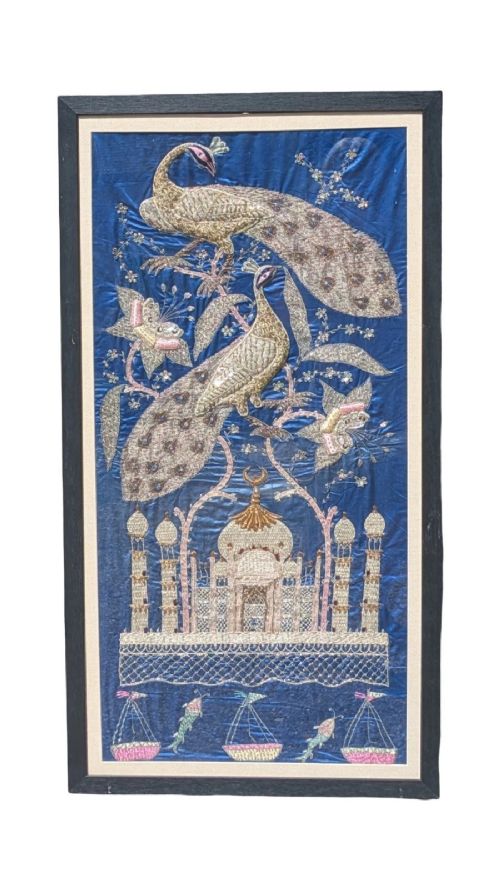
These textiles served traditional domestic or ceremonial functions before transitioning into decorative wall art. Pieces range from large suzanis to smaller panels, prayer formats, and pictorial reliefs depicting animals or architectural scenes.
Originating from diverse traditions such as Central Asian tribal work, Greek folk art, and Persian Qajar embroidery, each item reflects the specific heritage and aesthetic of its makers.
How they were made
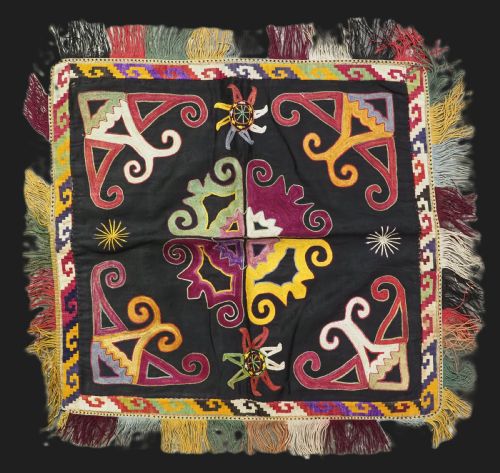
The foundation grounds typically consist of woven cotton, linen, wool, or black felt, providing a stable base for heavy needlework. Artisans then applied dense embroidery using dyed silk threads, frequently augmented with metallic thread for added lustre.
Stitch techniques varied by region, encompassing specialist tambour work, laidwork, and intricate surface embroidery executed by hand. Ground fabrics such as adras silk and cotton mixes supported elaborate botanical and geometric motifs.
Certain nineteenth-century tribal pieces incorporate hidden protective amulets stitched directly into the silk design to ward off misfortune.
What varies in quality
Quality rests primarily on the density of the needlework and the complexity of the design layout. Fully embroidered pieces, known as full work, demonstrate a higher degree of artisan labour compared to simpler open-ground compositions.
The vibrancy and condition of the silk threads, alongside the integrity of the base fabric, determine the visual impact of the hanging. Finer examples exhibit precise execution in their traditional motifs and harmonious colour preservation over time.
The Silk Thread Wall Hanging Glossary
- Suzani
- A traditional embroidered tribal textile from Central Asia, usually worked in silk on a cotton or linen ground. These large panels were traditionally made as part of a bride's dowry.
- Lakai
- A distinct sub-group of Uzbek tribal embroidery characterised by bold geometric shapes and dynamic use of colour. Lakai pieces often employ heavy silk thread on wool or felt grounds.
- Adras
- A traditional ikat fabric woven from a mixture of silk and cotton yarns. It frequently serves as the supporting ground cloth for Central Asian embroidery.
- Palak
- A large-scale suzani design type featuring a fully embroidered field dominated by large circular medallion motifs. These panels represent some of the most labour-intensive examples of needlework.
- Nim suzani
- A smaller half-size format of the traditional Central Asian suzani hanging. These compact pieces were produced for specific domestic spaces or regional dowry requirements.
Silk Thread Wall Hanging: Frequently Asked Questions
How do I hang a textile safely?
Mount a silk thread wall hanging using a professional conservation method that distributes weight evenly across the top edge. Avoid direct pinning through the fabric, which stresses delicate old fibres.
Velcro strips sewn to a cotton sleeve or a padded wooden batten provide secure support for displaying heavier pieces without causing structural damage.
How should I clean antique embroidery?
Professional textile conservation is the only safe method for cleaning antique embroidered wall hangings. Domestic washing or chemical spot cleaning can dissolve fugitive dyes and weaken ancient silk threads.
Gentle surface vacuuming with mesh protection removes loose dust, but water-based cleaning must be left to specialist conservators.
Where were suzanis originally made?
Suzanis were traditionally produced by women in households across Central Asia, including regions within modern Uzbekistan and Tajikistan. They formed a vital part of traditional dowries and domestic furnishings.
Towns such as Bokhara and Tashkent developed distinct embroidery styles that remain identifiable through specific colour palettes and motif arrangements.
Are these textiles fragile?
Age and material composition make antique silk embroideries sensitive to environmental stressors. Silk fibres weaken with prolonged exposure to strong light and fluctuating humidity levels.
Protecting the hanging from direct sunlight and maintaining stable indoor conditions ensures the textile remains stable for daily appreciation.