

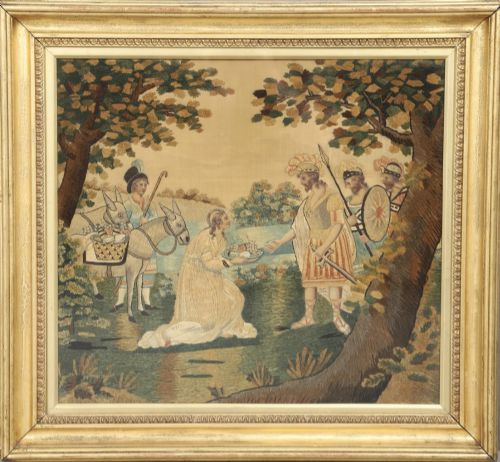
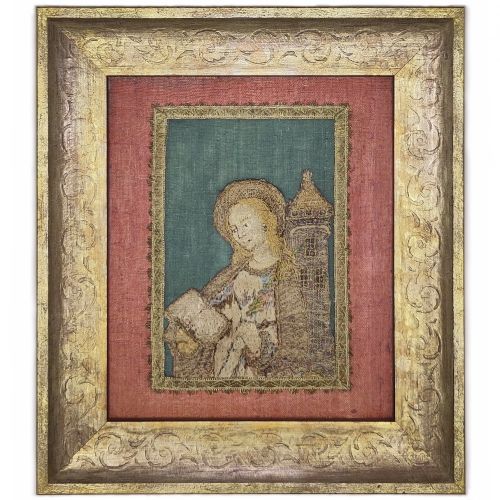
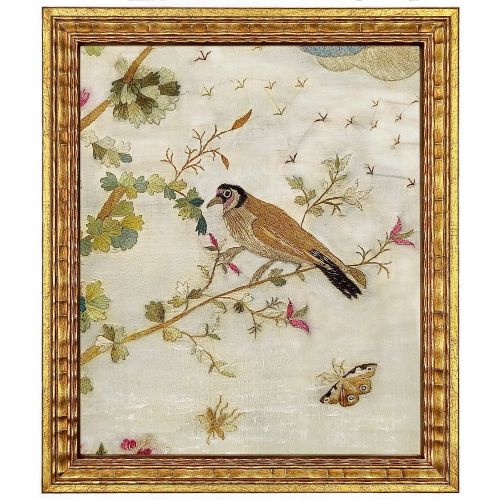
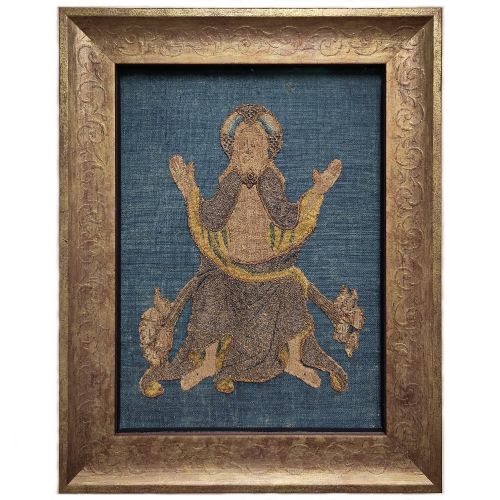

Silk Embroidered Panel
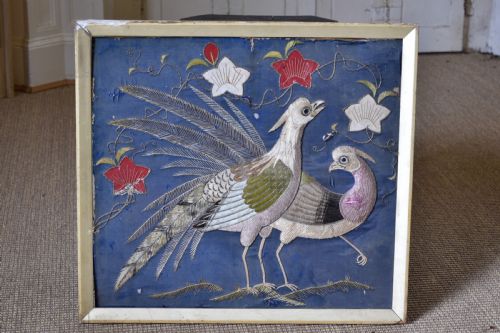
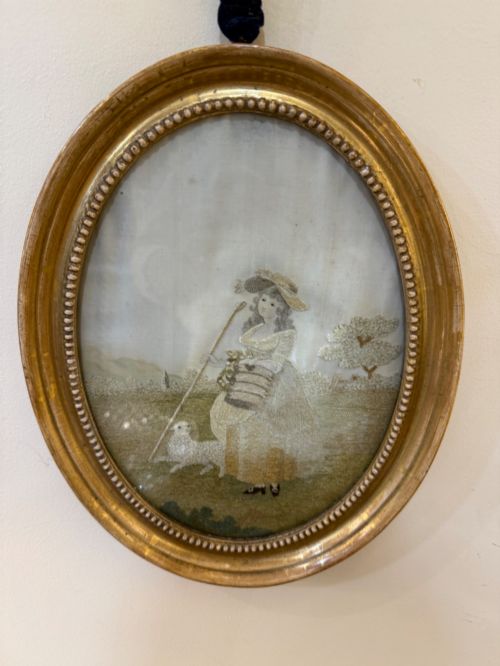
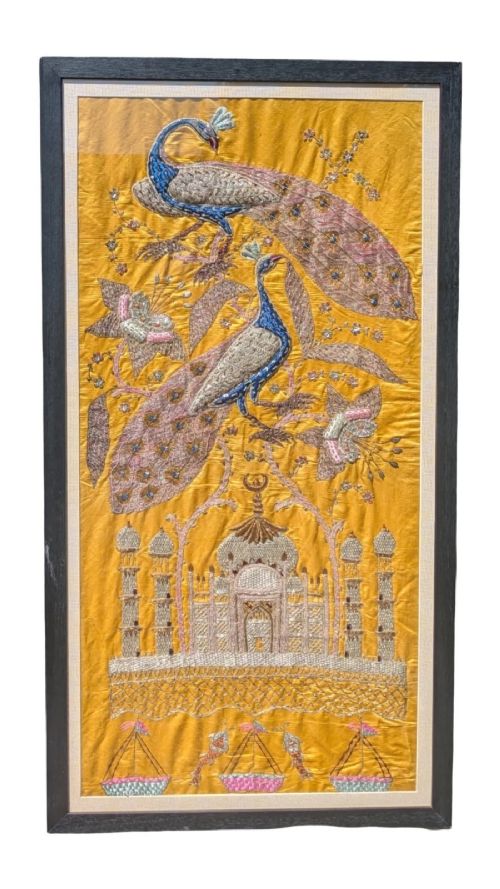
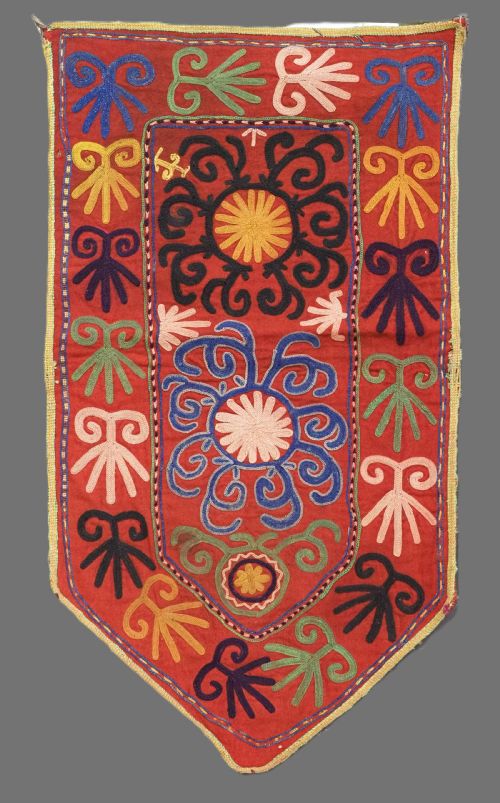
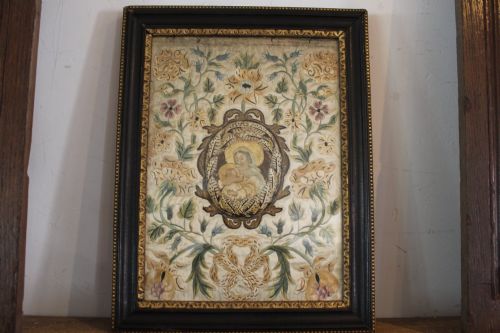
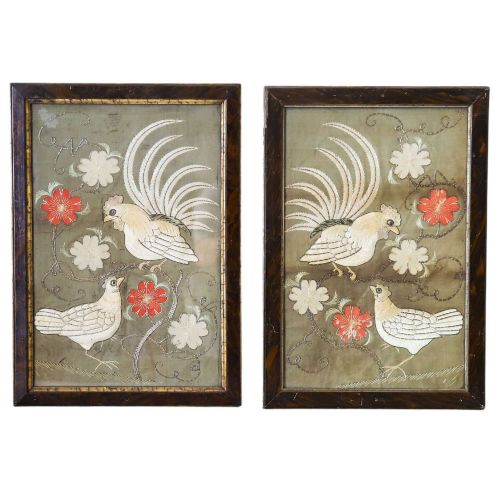
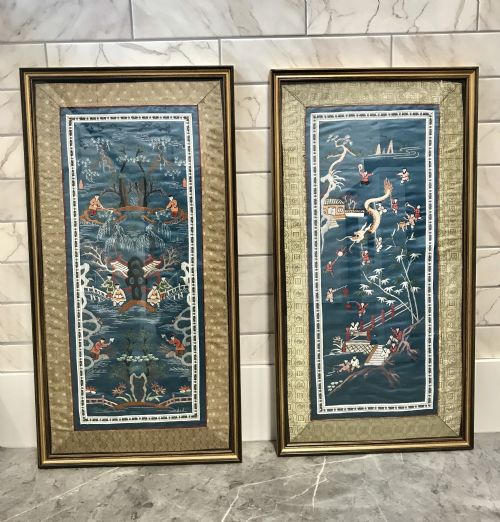
A silk embroidered panel brings together historic needlework traditions from Central Asia, China, Europe and the Ottoman world.
Silk Embroidered Panel
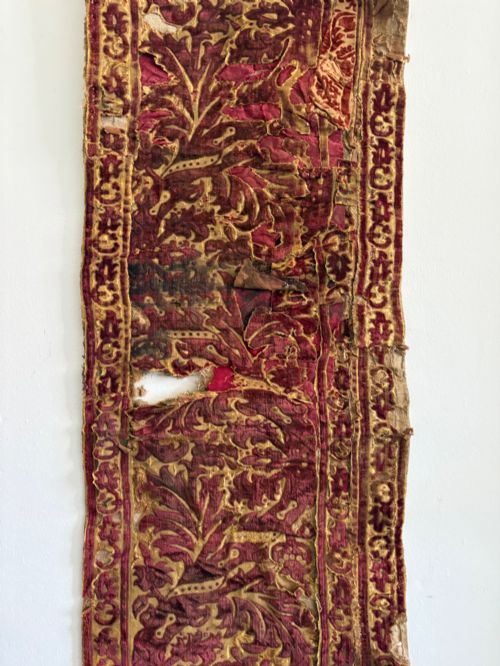
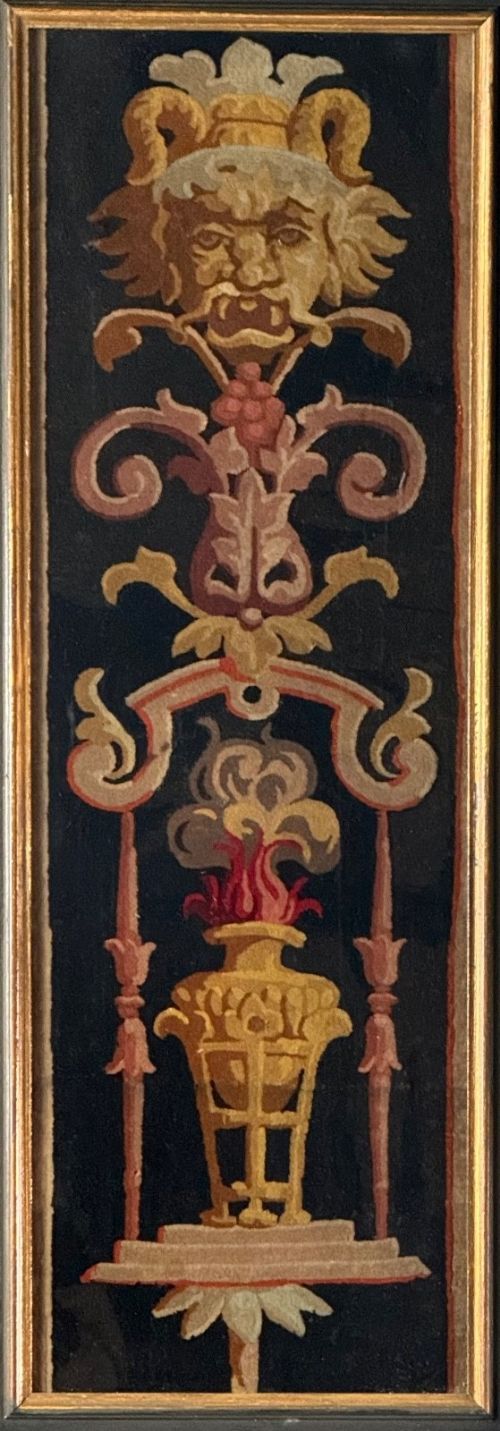
A silk embroidered panel encompasses domestic samplers, architectural wall hangings, and fragments rescued from traditional garments across multiple centuries.
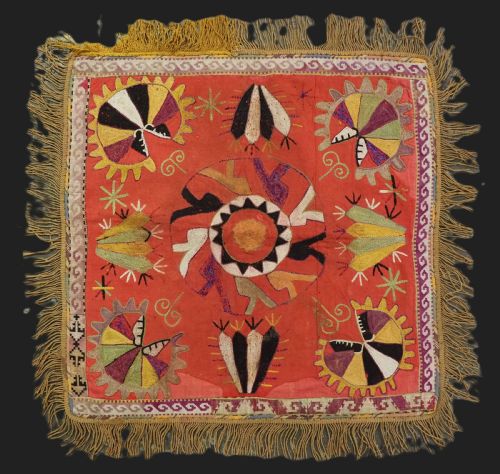
Buyers encountering this selection regularly meet Central Asian suzanis and dowry pieces alongside framed Chinese pictorial works and European needlework pictures.
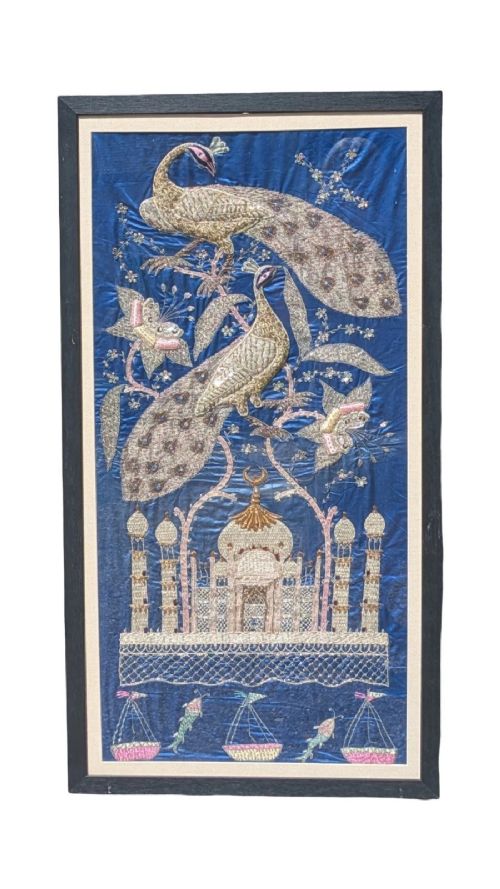
These textiles function primarily as wall art or decorative hangings, carrying distinct regional motifs ranging from tribal geometric patterns to floral scenes.
Materials and construction
Artisans typically worked with silk floss or metallic threads stitched onto grounds of linen, cotton, wool, or silk fabric.
Many historical examples incorporate hand-painted details alongside needlework, while heavier pieces rely on sturdy woolen or cotton backings to support dense stitching.
Silk Embroidered Panel Retail Price Guide 2026
Typical asking prices for silk embroidered panel among the pieces listed under this phrase on Sellingantiques today, from the lower quarter to the upper quarter. They describe what is for sale here now, not the wider market.
The listings span seventeenth-century European needlework to twentieth-century Central Asian suzanis.
Assessing craftsmanship
The sophistication of the needlework, the precision of the stitching, and the complexity of the regional design dictate the standing of an individual textile.
Condition plays a central role, distinguishing intact archival panels with vibrant original dyed threads from heavily restored or fragmented examples.
The Silk Embroidered Panel Glossary
- Suzani
- A traditional embroidered tribal wall hanging originating from Central Asia, usually worked in silk on a cotton or linen ground.
- Ilgich
- A small Central Asian hanging or dowry embroidery often created by the Lakai tribe.
- Stumpwork
- A raised embroidery style popular in seventeenth-century England that uses padded stitches to create a three-dimensional effect.
- Rank badge
- A square embroidered insignia worn on official robes in imperial China to denote civil or military status.
- Sampler
- A piece of needlework produced by a maker to demonstrate proficiency in various stitches and alphabets.
Silk Embroidered Panel: Frequently Asked Questions
How were silk embroidered panels used historically?
These textiles served varied purposes, from domestic adornment and ceremonial dowry items to architectural wall coverings in grand homes.
Many examples originated as functional garments or household furnishings before being mounted and framed for display.
How do I care for an antique textile?
Keep embroidered panels away from direct sunlight to prevent the natural dyes and silk fibres from fading over time.
Mount the pieces behind protective glass using conservation-grade materials to support the weight of the fabric and prevent sagging.
How do I identify a suzani?
Suzanis are large, decorative tribal embroideries from Uzbekistan and neighbouring regions, typically worked in vibrant floral or geometric motifs.
They often feature distinctive chain stitches executed in rich silk threads upon a pale cotton or linen foundation.
What is the difference between European and Asian panels?
European works frequently take the form of pictorial landscapes, religious scenes, or educational samplers worked by hand within domestic settings.
Asian panels often display symmetrical court motifs, auspicious symbols, or bold tribal geometries unique to specific regional traditions.