






Qing Dynasty Silk
Qing dynasty silk works are exquisite textiles and paintings that bring authentic imperial artistry and traditional craftsmanship into any interior.
Qing Dynasty Silk
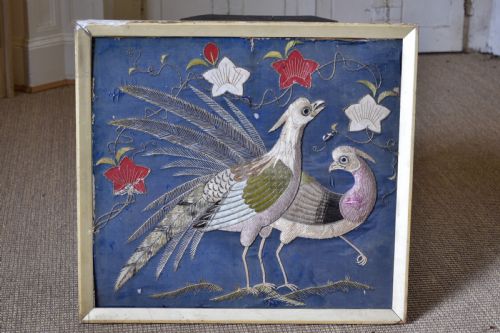
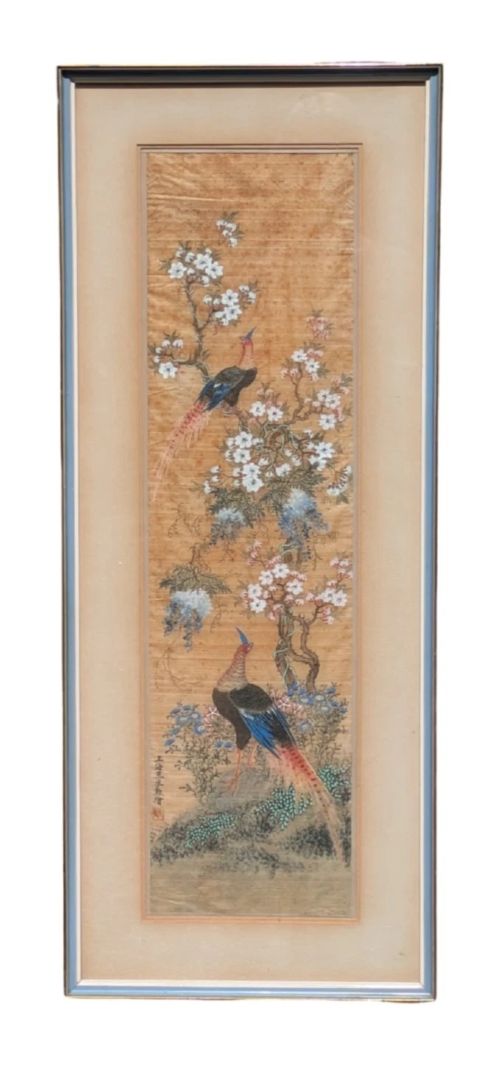
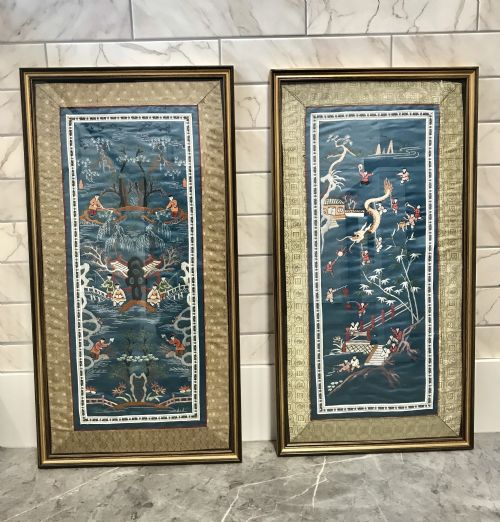
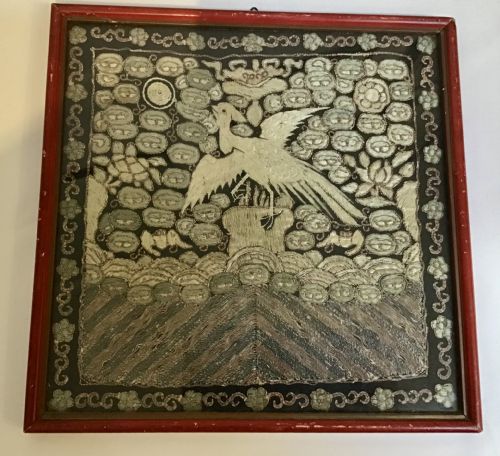
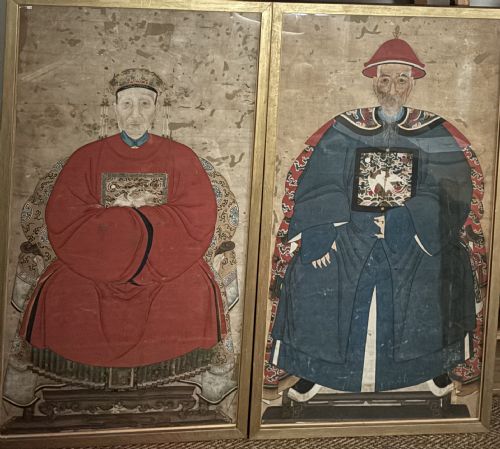
When you search for qing dynasty silk, you encounter textile art, wall art, scroll paintings, and framed panels originating from the eighteenth and nineteenth centuries. These pieces encompass hand-sewn embroideries, ancestor portraits, rank badges, and woven panels mounted in carved hardwood frames or under glass.
The most common examples you meet on this page date from the nineteenth century and the early twentieth century, spanning wall hangings, framed paintings on silk, and decorative screens. Many items incorporate traditional motifs such as dragons, figures, birds, flowers, and Daoist immortals rendered in pigment, ink, and metallic thread.
These works bridge fine painting and textile craft, serving as functional table screens, firescreens, and large wall hangings. Their varied forms reflect the diverse applications of silk within historic Chinese interiors and export markets.
How they were made
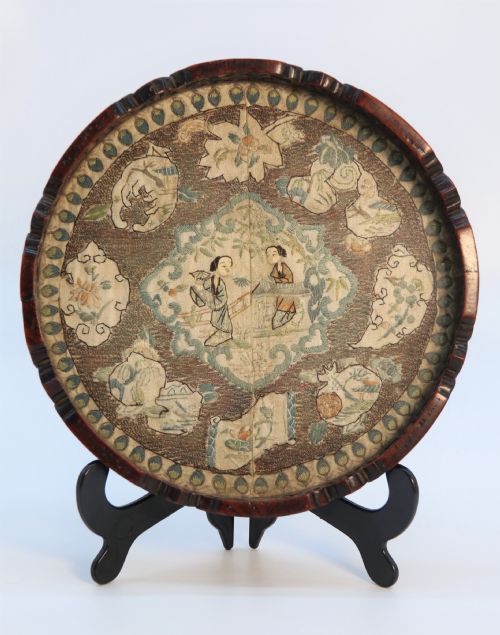
Artisans constructed these pieces using fine silk grounds combined with pigment, gouache, watercolor, and ink for painted elements. Many textiles incorporate metallic thread alongside silk embroidery floss to create detailed garments, flora, and fauna.
Makers integrated these delicate silk panels into structural supports of hardwood and wood, sometimes framing them behind glass or mounting them within carved trays and table screens.
Listings feature works spanning the eighteenth century through the early twentieth century, utilising silk, hardwood, glass, pigment, paper, and metallic thread.
What varies in quality
The sophistication of the needlework or brushwork dictates the refinement of each piece, distinguishing simple export goods from masterworks intended for court or high-status domestic use. Dense, precise embroidery using varied stitches and metallic thread demonstrates superior hand-sewing skill.
The integrity of the framing and mounting, particularly carved hardwood stands or original frames, influences the overall presentation and historical completeness of the textile or painting.
The Qing Dynasty Silk Glossary
- Rank badge
- A square embroidered patch worn on the robes of Qing dynasty officials to denote their civil or military rank. These badges typically depict specific birds or animals corresponding to the wearer's exact hierarchy.
- Scroll painting
- A flexible length of silk or paper attached to rollers, designed to be rolled up when not displayed vertically on a wall. They often depict religious figures, landscapes, or narrative scenes.
- Gouache
- An opaque water-based medium used by artists on silk surfaces to achieve vibrant, flat areas of colour. It offers greater coverage and luminosity than traditional watercolour.
Qing Dynasty Silk: Frequently Asked Questions
How do I hang a large silk wall hanging?
Support the full weight evenly across the top edge using a padded wooden bar or a conservation-grade sleeve rather than hanging it by isolated points.
Keep the textile out of direct sunlight to prevent the silk fibres and pigments from fading over time.
What is a silk table screen?
A table screen consists of an embroidered or painted silk panel held within a freestanding carved hardwood frame, traditionally placed on desks or tables for decorative effect.
These pieces allowed owners to display intricate art at eye level without mounting items directly onto walls.
How do I identify a rank badge?
Look for a distinct square textile panel featuring a central animal or bird surrounded by auspicious symbols, clouds, and waves.
Military officials wore beasts while civil officials wore birds, each species signifying a precise grade within the imperial administration.
Can I display paintings on silk in bright rooms?
Silk and watercolour pigments are sensitive to ultraviolet light and will degrade or fade rapidly under strong illumination.
Position these works away from windows and utilise UV-filtering glass if framing them for display.