


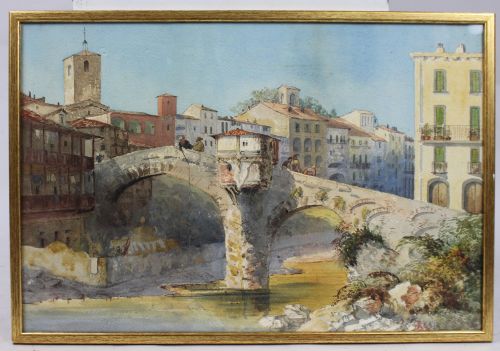
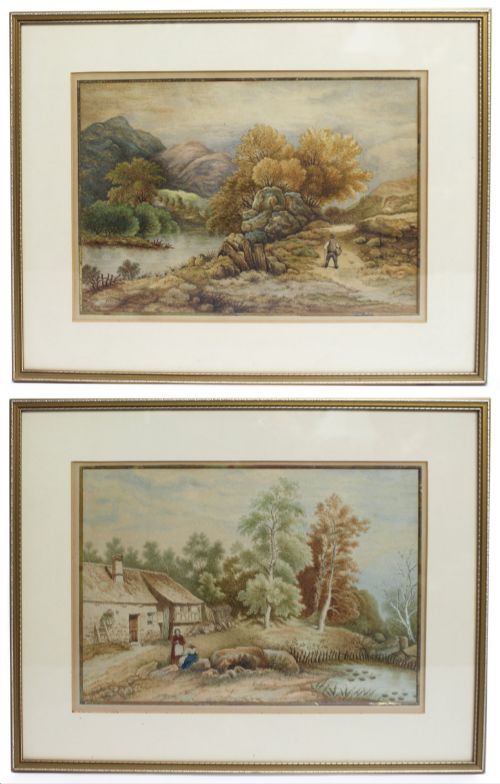
Signed Victorian Landscape
When you search for a signed victorian landscape, you look for original 19th-century paintings carrying the authentic signature of a named artist working in Britain or Europe.
Signed Victorian Landscape
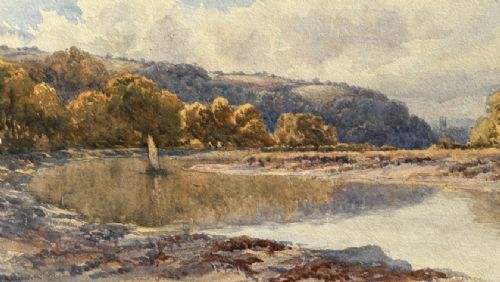
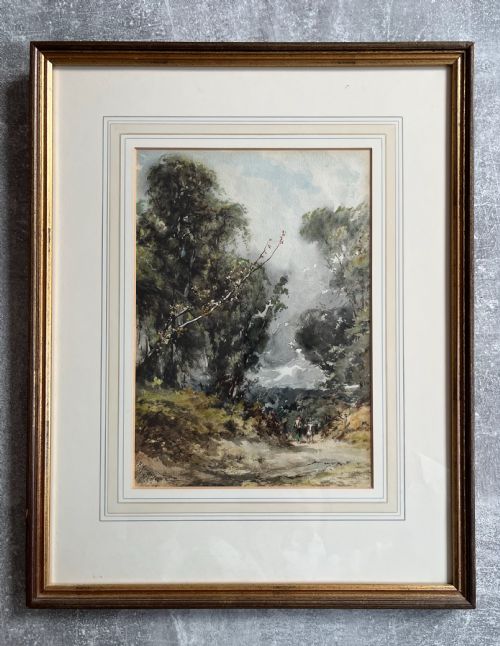
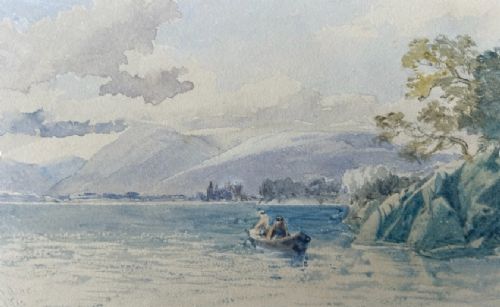
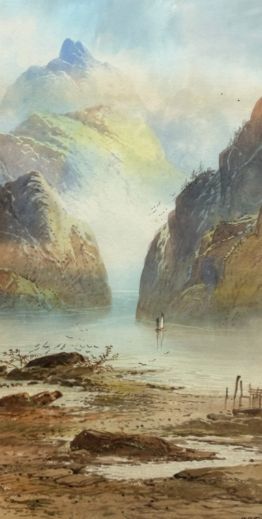
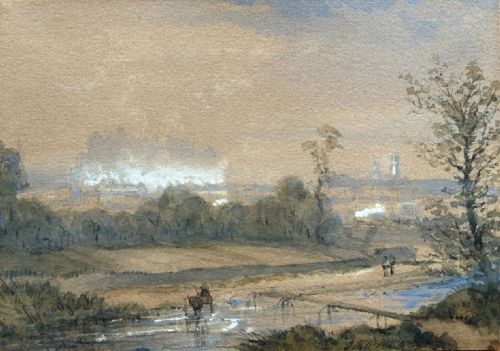
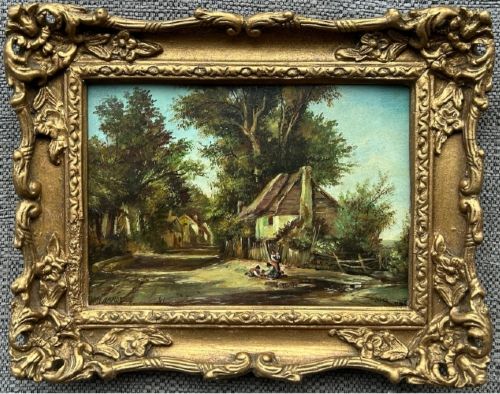
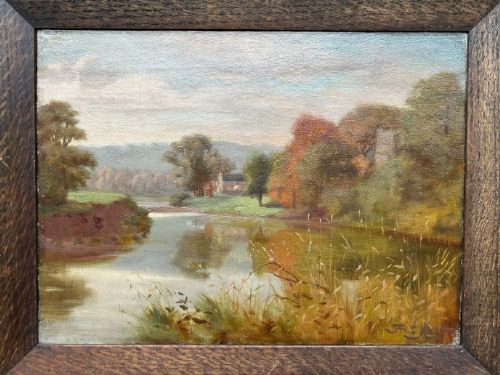
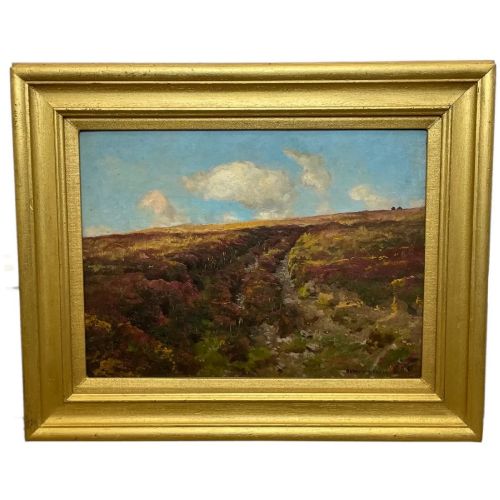
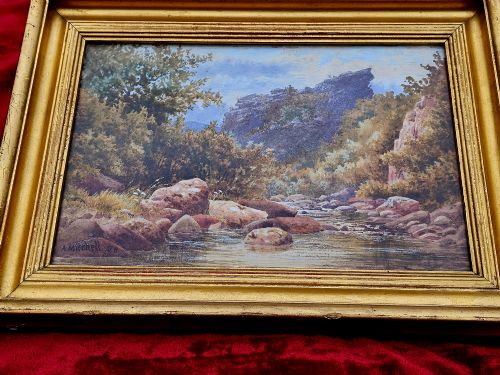
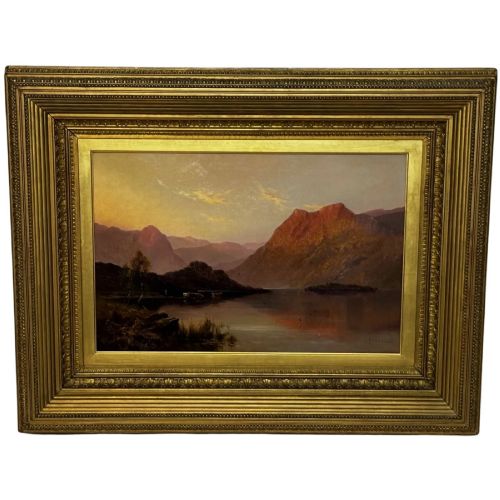
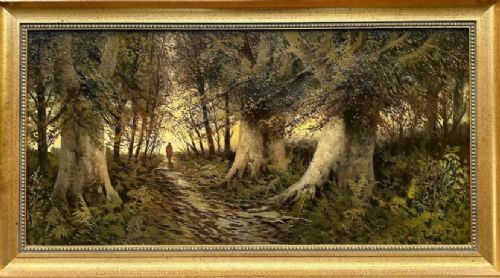
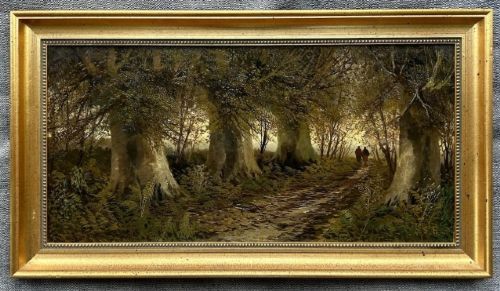
A signed victorian landscape comprises original watercolours and oil paintings created during the nineteenth and early twentieth centuries, capturing rural scenes, coastal harbours, and pastoral views across Britain and beyond.
The works appearing here include watercolours on paper and oil paintings executed on canvas, wood panel, or milk glass, often bearing the distinct hand signature, monogram, or initials of the period painter.
Subjects range from Scottish highlands and Welsh rivers to Yorkshire fishing ports and English woodlands, reflecting the diverse naturalism and realism popular among artists of the era.
How They Were Made
Painters of this era utilised watercolour pigments on prepared paper or applied oil paint directly onto stretched canvas and wood panels, often working outdoors to capture natural light.
Many works incorporate layered washes for watercolours or heavier impasto for oils, housed within period wooden frames, occasionally featuring gilt finishes or protective glass.
Listings feature works spanning the 19th century into the early 20th century, executed in oil and watercolour on paper, canvas, wood, and glass.
What Varies in Quality
Quality rests upon the strength of the artist's brushwork, the clarity of the composition, and how well the creator manages atmospheric light and spatial depth within the scene.
The prominence of the maker, the legibility of the signature, and the preservation of the original pigments or paper support further distinguish standard works from finer salon-level pieces.
George Fotherly Hargitt·Thomas Miles Richardson Jnr·James Orrock·William Henry Earp·John R Prentice·William Howard Hardy·Frederick Marriott·Arthur Wardle·Alfred Fontville de Breanski Jr·William Banks Fortescue·Thomas W Lascelles·Th Thibault·Bernard Benedict Hemy·Henry H Parker·Alfred G Morgan·John Emms·Herbert Dicksee·Thomas Sidney Cooper·Harry Wanless·Arthur Herbert Rigg·James Mallard Bromley·Thomas Bush Hardy·Robert John Hammond·F J Aldridge·Colin H Greenwood
The Signed Victorian Landscape Glossary
- Watercolour
- A painting method where fine pigment is suspended in a water-soluble binder applied to paper. This medium allows for luminous washes and delicate atmospheric effects.
- Oil on Canvas
- Pigments mixed with drying oils applied to a woven fabric stretched across a wooden frame. It permits rich colour saturation and textured brushstrokes.
- Monogram
- A motif made by overlapping or combining two or more letters to form a single symbol. Painters often used these initials in place of a full signature.
- Gilt
- Covered thinly with gold leaf or gold paint. This technique enhances the decorative appeal of period frames surrounding the artwork.
- Panel
- A flat piece of wood used as a rigid support for painting. Artists favoured panels for smaller, detailed outdoor compositions.
Signed Victorian Landscape: Frequently Asked Questions
Are these paintings original period pieces?
The works listed are authentic 19th-century and early 20th-century creations, featuring genuine period materials such as handmade paper, canvas, and wood panels.
Each piece bears the historical marks, signatures, or monograms attributed to painters of the Victorian and Edwardian eras.
How do I identify the artist's signature?
Signatures typically appear in the lower corners of the composition, rendered in ink, watercolour, or paint matching the palette of the main image.
Some works feature monograms or initials that correspond to documented artists active during the Victorian period.
What subjects are most common?
Rural English countryside, Scottish highlands, Welsh valleys, and coastal fishing ports dominate the artistic output of this period.
Artists frequently depicted everyday pastoral life, including figures working in fields, cattle near rivers, and sailing vessels in harbours.
How should I frame and display them?
Watercolours require framing under glass with acid-free mounts to protect the paper and pigments from atmospheric moisture and direct sunlight.
Oil paintings on canvas or panel benefit from stable indoor environments away from extreme temperature fluctuations that could affect the wood or fabric.