

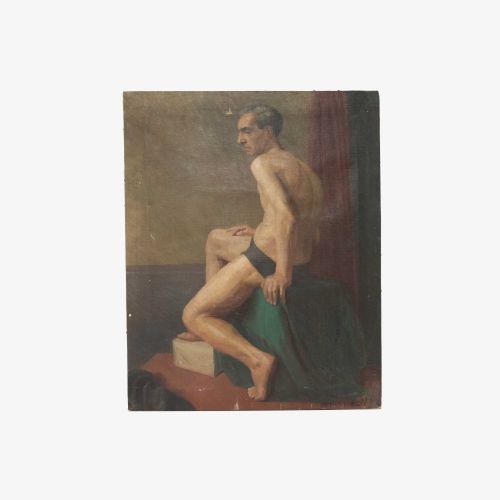
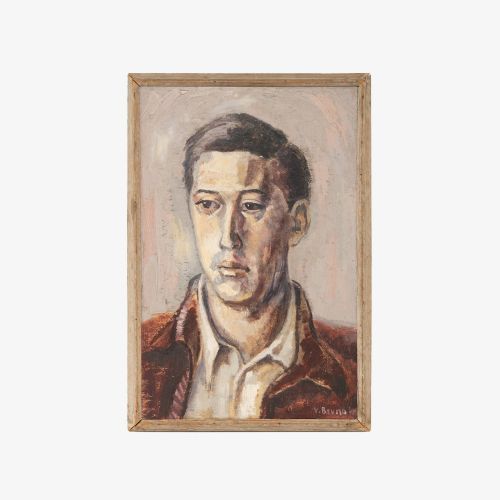
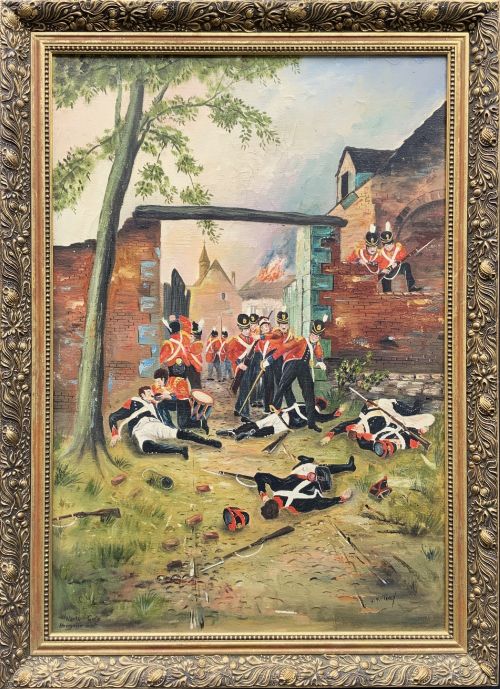
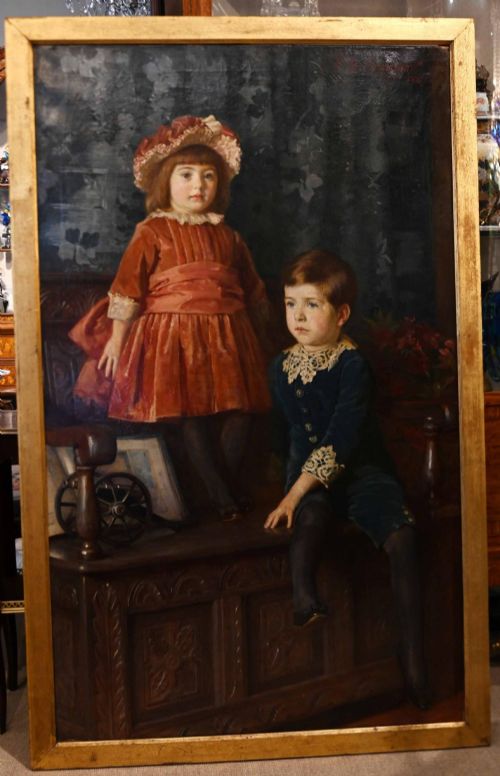
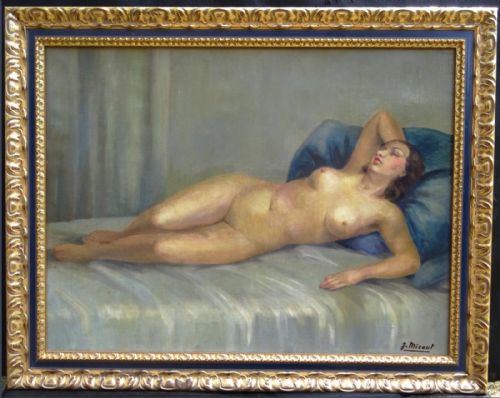
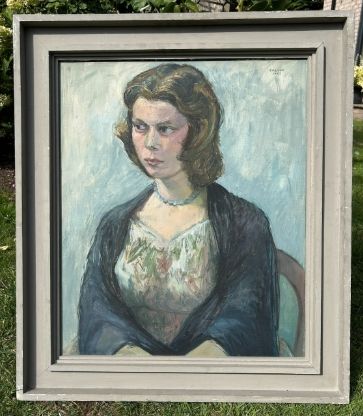
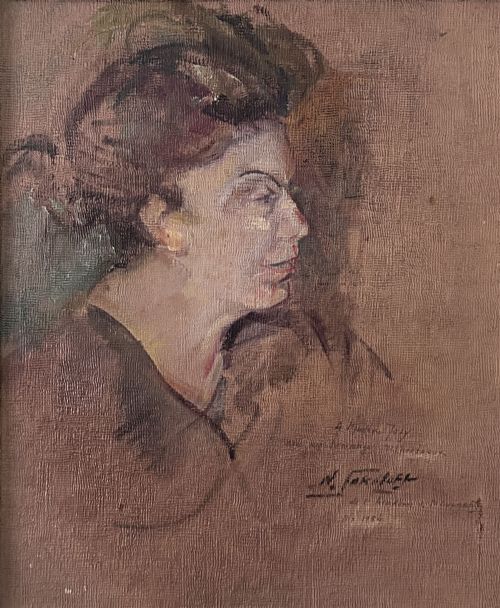
Signed Original Portrait
These pieces unite individual character with authenticated authorship, offering a direct window into personal history through a signed original portrait.
Signed Original Portrait
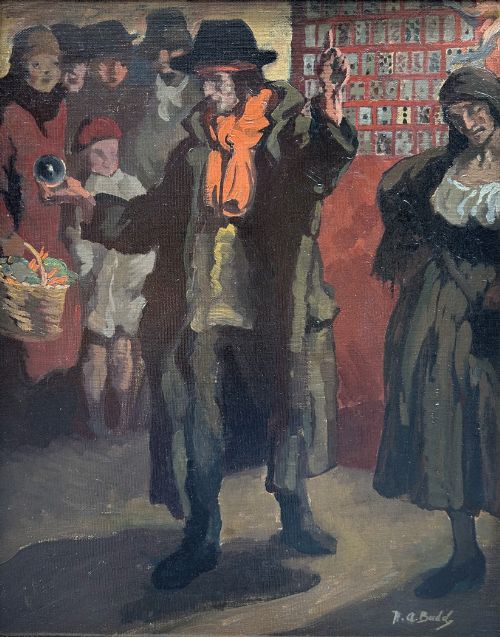
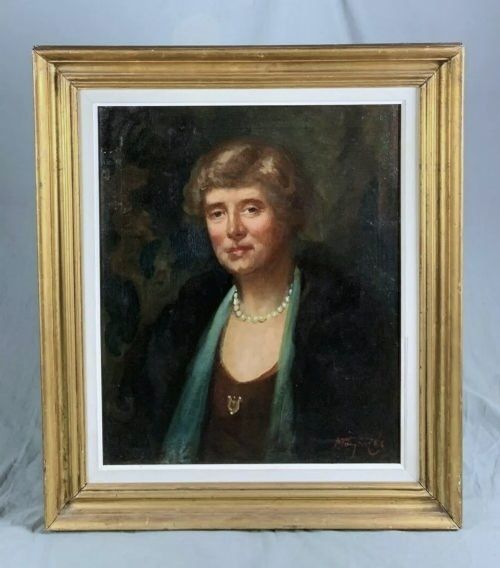
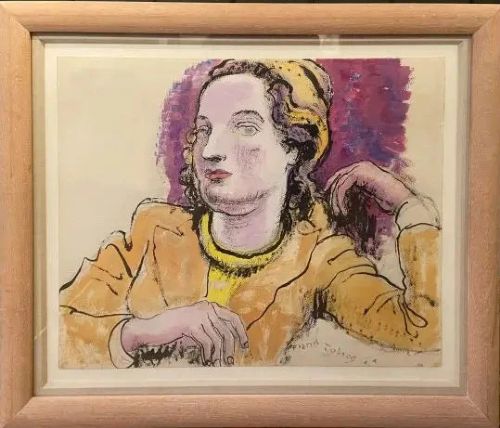
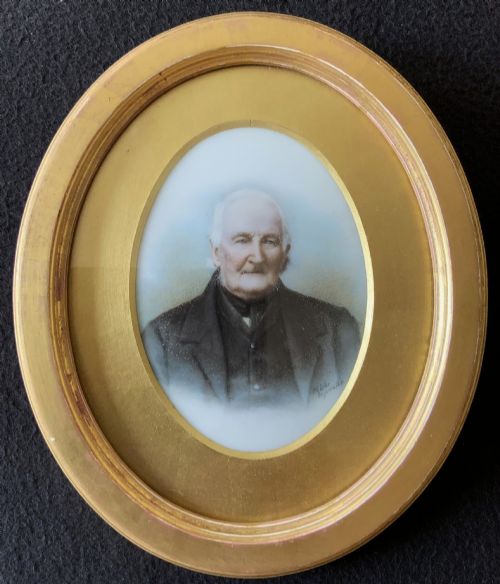
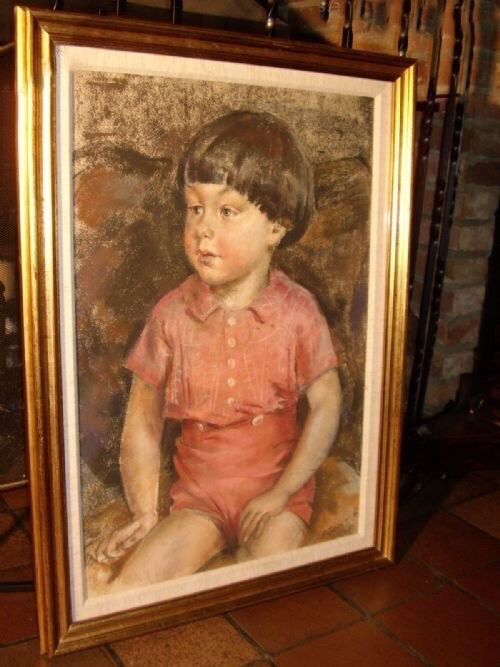
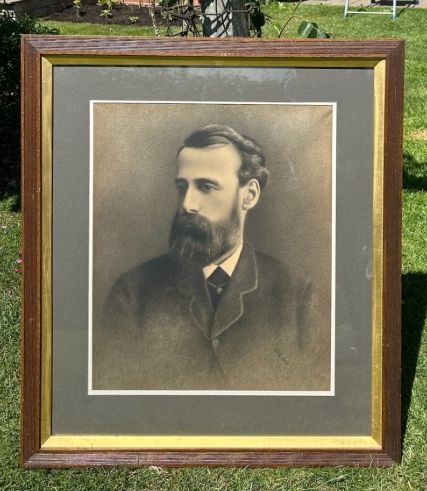
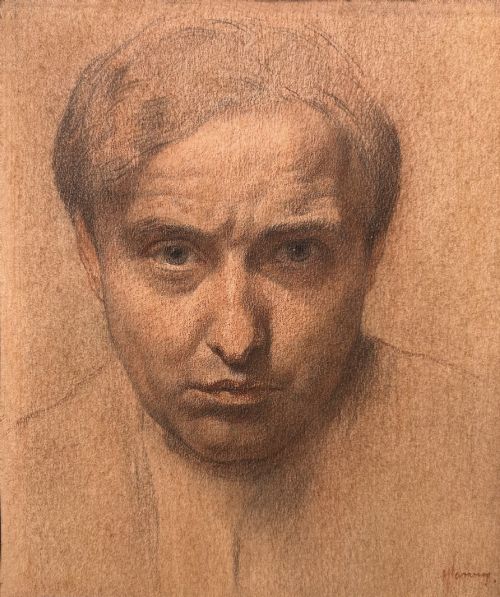
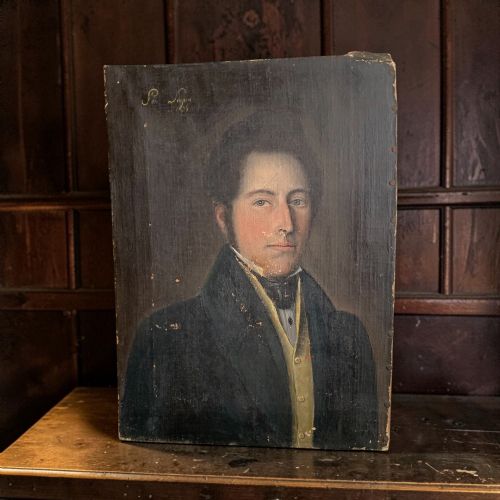
The inventory ranges from nineteenth-century academic oils and Victorian watercolours to mid-century pastels and modern figurative sketches. Buyers encounter both polished salon canvases and rapid preparatory studies bearing the distinctive signature or monogram of the maker.
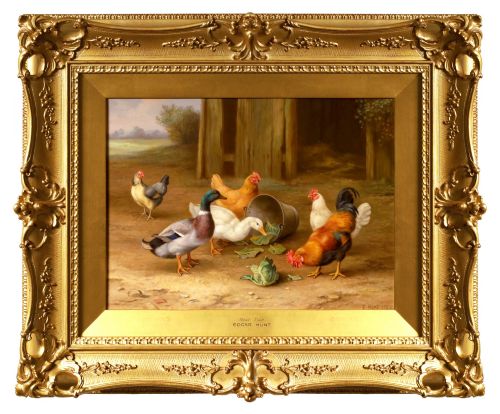
Represented subjects extend beyond human sitters to encompass treasured pets, horses, and satirical character studies. Each piece preserves a specific moment in time, anchored by the verifiable signature of the creator.
How They Were Made
Makers applied oil paint, watercolour, pastel, or charcoal to stretched canvas, wooden panel, heavy paper, or glass. Oil mediums provided depth and rich tonality for formal commissions, whilst watercolours and pencils allowed for rapid, expressive sketching.
Supports varied according to period and medium, utilising primed linen canvases, card mounts, and timber boards. Pigments were worked with brushes, palette knives, or chalk sticks to build texture, shadow, and highlights directly from life.
Signed Original Portrait Retail Price Guide 2026
Typical asking prices for signed original portrait among the pieces listed under this phrase on Sellingantiques today, from the lower quarter to the upper quarter. They describe what is for sale here now, not the wider market.
Several artists turned their observant gaze away from human subjects to immortalise stylish cats, pouting dogs, and even a horse wearing a saddle.
What Varies in Quality
Skill in draftsmanship and anatomical understanding dictate the visual success of the piece, separating rigid likenesses from works imbued with psychological depth and vitality. The handling of light across skin, fabric, or fur reveals the technical command of the artist.
Condition of the medium and the preservation of the original support influence desirability, as heavy cleaning, flaking pigment, or acidic paper mounts alter the integrity of the composition over time.
G. J. S. Bary·Vittorio Reggianini·Frank Dobson·Herbert Ashwin Budd·Edgar Hunt·Charles James McCall·Nicolaes Maes·Henri Vincent-Anglade·Septimus Scott·Jules Rambo·Philip Naviasky·Raoul Millais·Noel Quintavalle·Pinchus Krémègne·Leonardo Morello·Sir Joshua Reynolds·Harry Epworth Allen·Alfred Holst Tourrier·Petrus Johannes Arendzen·William Shuter·Henry John Dobson
The Signed Original Portrait Glossary
- Signed original portrait
- A unique artwork executed by hand and authenticated by the artist's own signature, monogram, or inscribed dedication. This guarantees direct execution rather than a later copy or print reproduction.
- Oil on canvas
- A painting technique using pigments suspended in a drying oil, applied to a woven fabric stretched across a wooden frame. This medium allows for rich colour blending and extensive reworking.
- Watercolour wash
- A transparent painting method using pigments diluted in water applied in thin, luminous layers. It creates soft transitions and delicate tonal effects, frequently utilised for nineteenth-century studies.
- Pastel on paper
- A dry medium composed of powdered pigment and a binder, rubbed directly onto a paper support to achieve velvety textures and vibrant colour fields. Works in this medium require protective framing behind glass.
- Provenance
- The documented history of ownership, exhibition, and attribution associated with an artwork. A clear lineage adds historical context and confirms the authenticity of the piece.
Signed Original Portrait: Frequently Asked Questions
How do I identify the sitter?
Many portraits include inscriptions, exhibition labels, or artist notes on the reverse of the canvas or frame that name the individual depicted. Researching the artist's known circle of patrons often provides further biographical context.
When documentation is absent, period costume, hairstyles, and uniform details help narrow down the decade in which the sitter lived.
Are these works unique?
Every piece recorded here is a hand-drawn or hand-painted creation rather than a mass-produced print. Even when an artist produced multiple studies of the same model, each execution remains distinct.
Signatures and inscriptions further confirm the singular nature of these historical artworks.
How should I frame and display them?
Works on paper, pastel, and watercolour require framing behind glass with acid-free mounts to protect delicate pigments from atmospheric moisture and ultraviolet light. Canvases benefit from breathable backing boards and stable indoor humidity.
Positioning pieces away from direct sunlight preserves the original vibrancy of the pigments.
What does attribution mean?
Attribution indicates that an expert body or gallery links the stylistic execution of the artwork to a specific master based on comparative analysis. This term is used when an explicit signature is missing but stylistic markers are clear.
It provides a reliable indicator of the period, school, and workshop origin.