



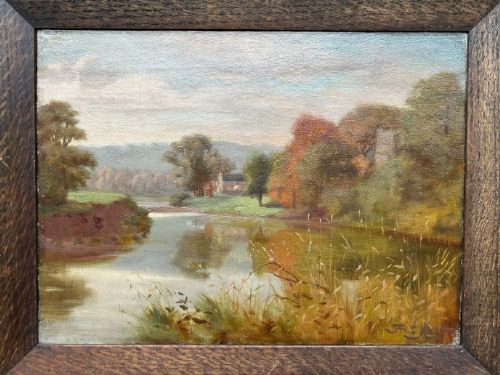
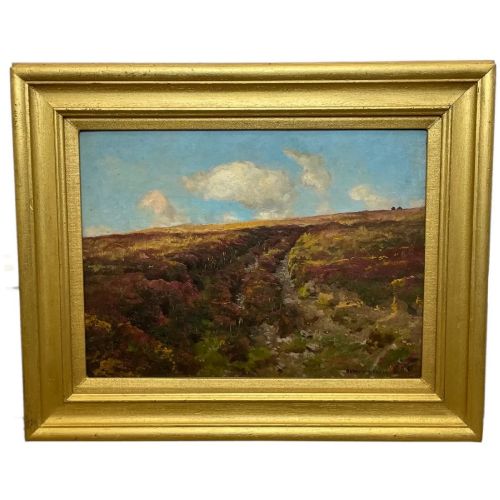
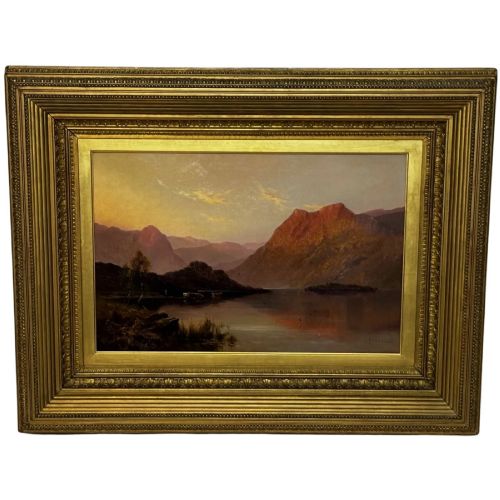
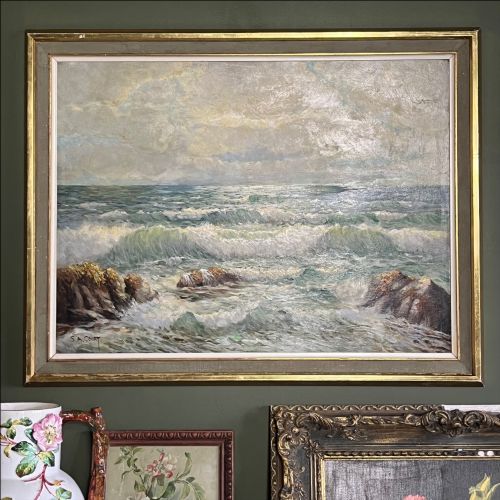
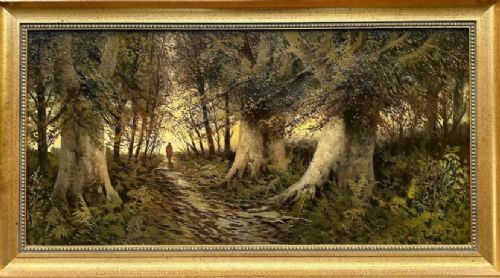
Signed Oil Landscape
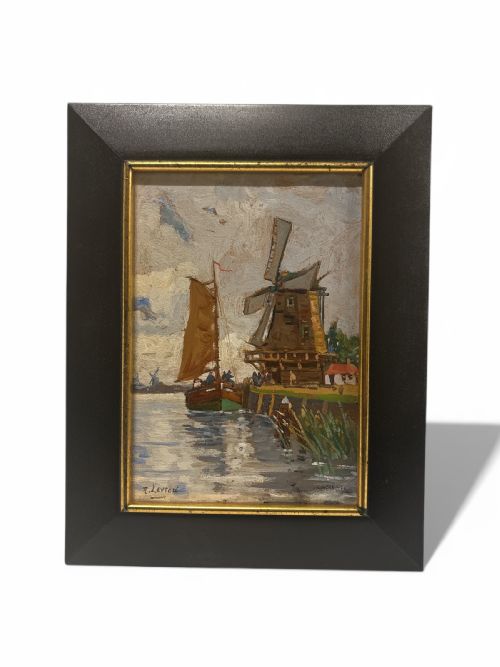
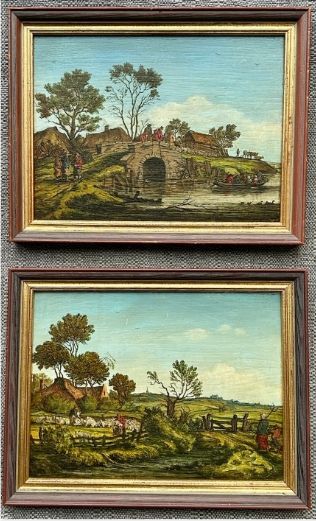
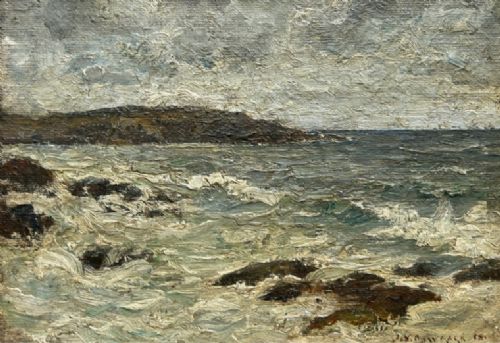
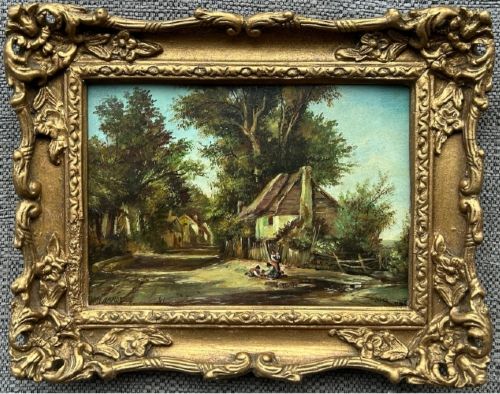
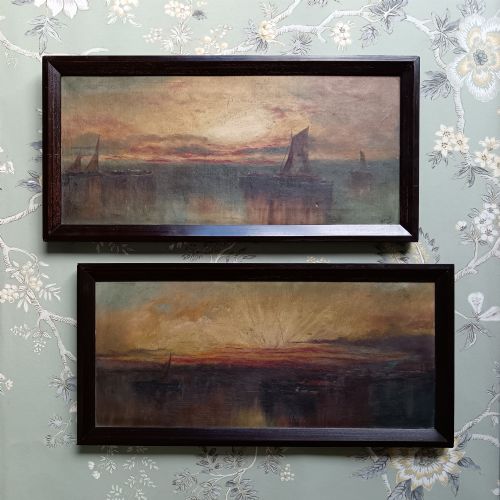
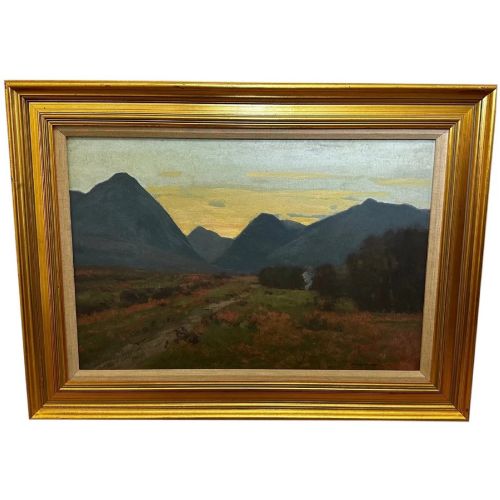
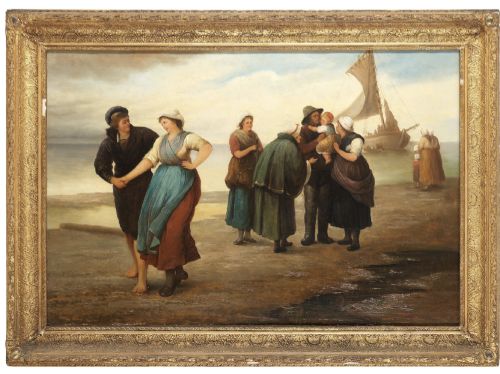
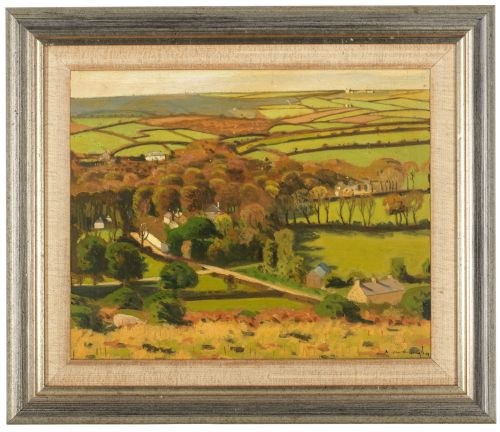
These signed oil landscape paintings capture scenes from the nineteenth to the mid-twentieth century, offering buyers a direct connection to historical countryside and coastal views.
Signed Oil Landscape
When you search for a signed oil landscape, you encounter original artworks created by named artists across the nineteenth and twentieth centuries. These paintings depict rural vistas, coastal waters, rivers, and woodlands, reflecting changing artistic movements from Victorian realism to impressionism.
The pieces on this page span diverse regions, including Scottish highlands, English country lanes, Welsh valleys, and continental European scenes. You find works executed on canvas, wood panels, and boards, ranging from intimate miniature panels to substantial framed gallery pieces.
How They Were Made
Artists built these compositions using oil paint applied to prepared surfaces such as woven canvas, wooden panels, or rigid board. The medium allowed for rich colour blending, textured impasto applications, and delicate tonal variations suited to capturing changing light and weather.
Many works were painted en plein air directly outdoors to capture natural light, while others were completed in studios from preliminary sketches. Completed paintings were frequently mounted in decorative gilt frames or wooden mouldings that complemented the subject matter.
Listings feature works spanning from the nineteenth century through the 1960s, executed across canvas, wood panels, and board.
What Varies in Quality
Quality in these works rests upon the artist's technical control over brushwork, perspective, and the handling of natural light. Superior paintings demonstrate a confident command of colour harmony and atmospheric depth that brings the scenery to life.
The preservation of the paint surface and the integrity of the original support also define the standard of a piece. Fine examples retain their original vibrancy without excessive flaking, retouching, or damage to the canvas and panel.
Kenneth Cozens·Tom Campbell·Frederick Marriott·Arthur Wardle·Alfred Fontville de Breanski Jr·George Houston·Robert Morson Hughes·Thomas W Lascelles·Arthur Gué·Lucy Pratt·Bernard Benedict Hemy·Henry H Parker·Vernon DeBeauvoir Ward·John Emms·Sir David Murray·Thomas Sidney Cooper·Ferdinand E Gröne·William Burns·Anthony Graham·Singleton Jowett·Percy Hipkiss·Walter C Horsnell·John Gilbey Bowles·William B Dealtry·James Hardaker
The Signed Oil Landscape Glossary
- Canvas
- A heavy woven fabric stretched across a wooden frame to serve as a sturdy painting surface. It provides a slightly flexible texture that holds oil paint securely.
- Impasto
- A technique where oil paint is laid on an area of the surface in very thick layers. This creates a textured, three-dimensional effect that catches the light.
- En plein air
- A French expression describing the act of painting outdoors. This method allows artists to observe direct effects of natural light upon a landscape.
- Gilt
- A thin layer of gold leaf or gold-coloured paint applied to surface decorations. It frequently adorns the wooden frames surrounding antique oil paintings.
- Wood panel
- A rigid flat wooden support used instead of canvas. Painters favoured panels for their smooth surfaces and durability over long periods.
Signed Oil Landscape: Frequently Asked Questions
How do I care for an oil painting?
Keep the artwork away from direct sunlight and dramatic temperature shifts to protect the canvas and paint layers. Dust the surface gently with a soft, dry brush without applying moisture or cleaning solutions.
Ensure the room maintains stable humidity levels to prevent the wooden panels or stretchers from warping. Professional framing with conservation backing helps safeguard the painting over decades.
Can I hang these in direct sunlight?
Direct sunlight damages oil paintings by causing pigments to fade and varnish layers to yellow over time. Position the artwork on an interior wall away from windows and intense heat sources.
Proper placement preserves the original colour balance and prevents the canvas or board from drying out. Ambient room light is sufficient for appreciating the fine details of the landscape.
What is an indistinct signature?
An indistinct signature refers to a maker's mark or monogram that has worn down, faded, or been applied cryptically by the artist. These marks often require close inspection under specific lighting to discern initials or names.
Many antique works carry these subtle signatures from artists who integrated their names into the lower corners of the composition. They add an element of historical discovery for collectors studying the piece.
How are canvas and panel paintings different?
Canvas paintings utilise a woven textile stretched over a wooden frame, offering a slight give under the brush. Panel paintings use solid wood or board supports, providing a completely rigid working surface.
Panels often survive with fewer structural tears than canvas, though both materials require stable environmental conditions. Each support imparts a distinct texture to the finished landscape.