


Signed Japanese Vase
A signed japanese vase brings master craftsmanship into a room, carrying the distinct signature of its creator from the Meiji period.
Signed Japanese Vase
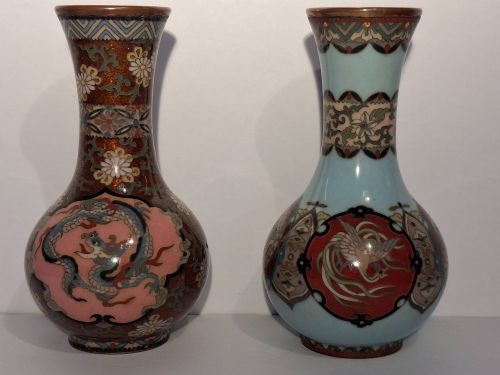
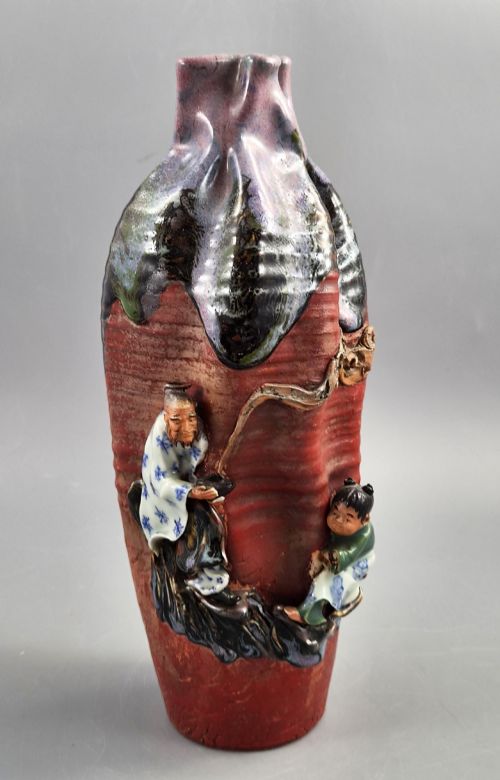
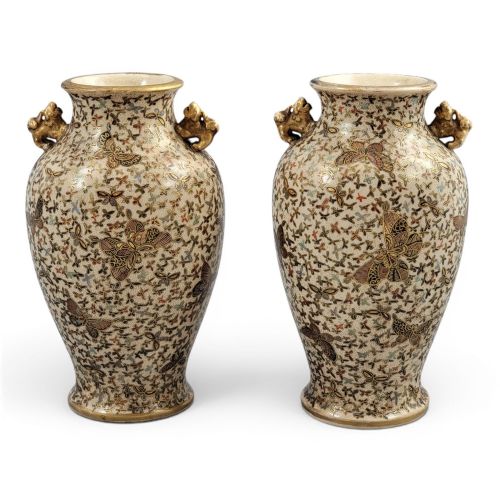
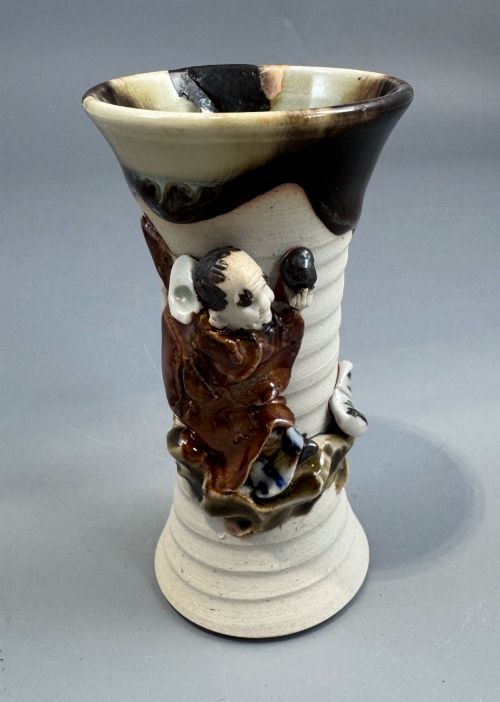
When you examine a signed japanese vase, you encounter decorative arts spanning the 19th century and the early 20th century. These items include earthenware, stoneware, porcelain, and metalwork vessels produced during the Meiji and Edwardian eras. The selection on this page centres primarily on Satsuma earthenware, Sumida Gawa stoneware, Kutani porcelain, and cast bronze vessels.
Makers inscribed their names or workshop characters directly into the clay, metal, or enamel surfaces of these objects. Buyers frequently find miniature vases alongside monumental jars, balancing intricate hand-painted detail against sculptural applied figures. The forms range from ovoid and globular shapes to square and baluster silhouettes.
How they were made
Potters shaped earthenware and stoneware by hand or on the wheel before applying specialised glazes such as lavender flambé, oxblood, or crackle finishes. Painters then added polychrome enamels and raised gold leaf to depict figures, landscapes, and wildlife. Ceramic bodies often received detailed surface work, including carved textures and modelled clay figures applied directly to the vessel wall.
Metalworkers cast bronze, copper, and silver, frequently incorporating mixed metal elements, silver inlay, and gold highlights to render natural scenes like Mount Fuji and cranes. Cloisonné enamel pieces utilised fine wire partitions filled with vitreous enamel pastes, which were fired and polished to a smooth finish.
Listings feature 19th-century and early 20th-century dates, spanning earthenware, stoneware, porcelain, bronze, wood, and gold leaf materials.
What varies in quality
Quality rests upon the precision of the artisan's hand and the complexity of the materials used in production. Masterpieces display exact brushwork in miniature portraiture or flawless integration of silver and gold inlay across a bronze or ceramic surface.
The clarity and legibility of the artist signature or workshop seal indicate the standing of the piece. Superior examples maintain intact enamels, crisp raised gilding, and stable applied figures without structural loss.
Ban-ni·Kinzan·Ryōsai·Kōko·Chosei·Shuzan·Seiko-en Chokei·Yamashu·Tagawa·Hiroshi·Dozan·Kinkozan·Tomimoto Kenkichi·Juzan·Hododa·Atsumitsu·Hozan·Suzuki Chokichi·Yuichi·Kiyomitsu·Yamamoto zo·Kosen·Kizan·Seiya·Gyokumin
The Signed Japanese Vase Glossary
- Satsuma
- Earthenware pottery originating from the Satsuma Domain, characterised by a crackled ivory glaze and elaborate polychrome and gilt decoration. These pieces frequently depict figures from mythology and nature.
- Sumida Gawa
- Stoneware ceramics produced near Tokyo, identifiable by heavy, dripping flambé glazes and high-relief modelled figures applied to the exterior body. The style dates predominantly to the late Meiji period.
- Meiji Period
- The era in Japanese history spanning from 1868 to 1912, marked by the opening of trade with Western nations and a surge in refined decorative arts production. Artisans during this time perfected mixed metalwork and detailed ceramic painting.
- Kutani
- Japanese porcelain decorated with vibrant overglaze enamel palettes, typically featuring greens, blues, yellows, and reds. These vessels often incorporate animal handles or intricate geometric borders.
Signed Japanese Vase: Frequently Asked Questions
How do I identify the signature on a Japanese vase?
Signatures typically appear as painted characters, incised marks, or metal stamps located on the base of the vessel. They may represent the individual artist, the painting studio, or the manufacturing workshop.
Comparing these characters against historical maker records helps narrow down the specific period and region of production. Some pieces feature multiple signatures, indicating both the potter and the decorator.
What is the difference between Satsuma and Kutani?
Satsuma ware consists of earthenware with a characteristically crackled cream-coloured glaze and dense painted enamel and gold decoration. These pieces often portray historical figures and deities.
Kutani ware is made of porcelain and relies on bright, translucent overglaze colours like green, red, and blue. Kutani vessels frequently showcase geometric patterns and nature scenes rather than crackle glazes.
How should I display a bronze and mixed metal vase?
Bronze and mixed metal vases require stable placement away from direct sunlight and humid environments to protect their patinas and silver or gold inlays. Positioning them where light catches the metal surface enhances the inlaid details.
Avoid using liquid cleaners on antique metalwork, as gentle dusting with a soft cloth preserves the original finish. Ensure the support surface is level, especially for monumental or globular forms.
Are miniature Japanese vases authentic?
Miniature vases were produced in large numbers during the Meiji period as decorative display items and export goods. Authentic examples exhibit the same hand-painted precision and material quality as larger vessels.
Signatures on miniatures require careful examination under magnification to verify whether they were hand-applied by skilled artisans or stamped during factory production.