




Signed English Landscape
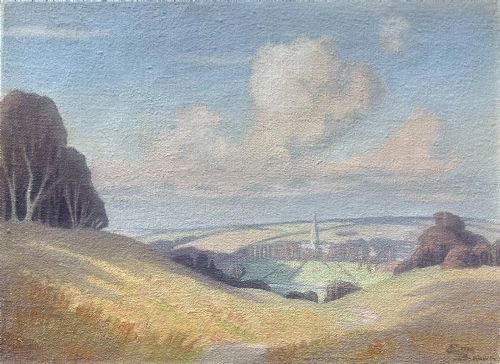
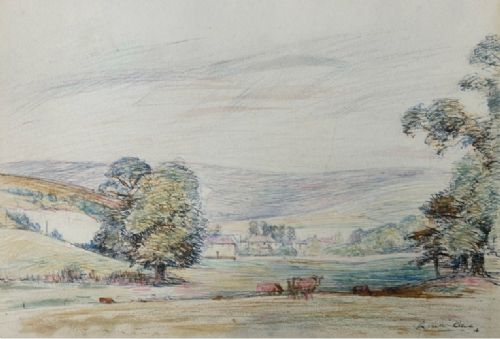
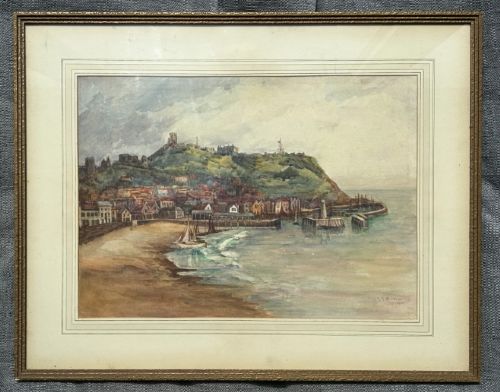
Signed english landscape works bring home rural views and coastal harbours captured by brush and pencil across the nineteenth and twentieth centuries.
Signed English Landscape
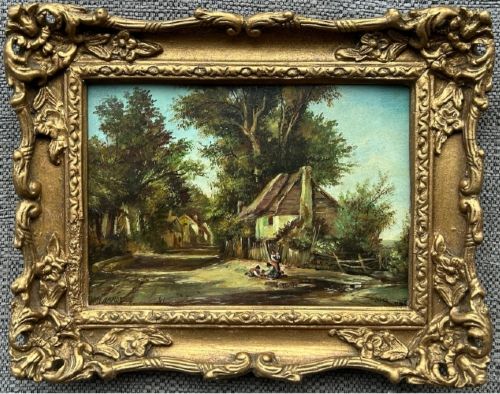
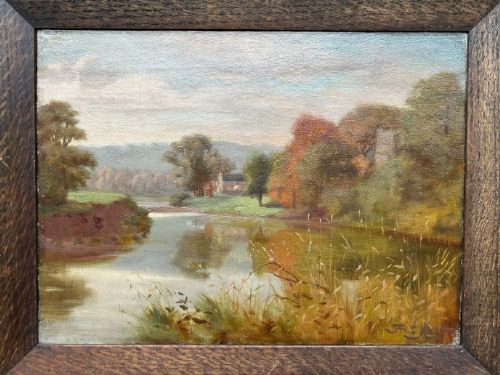
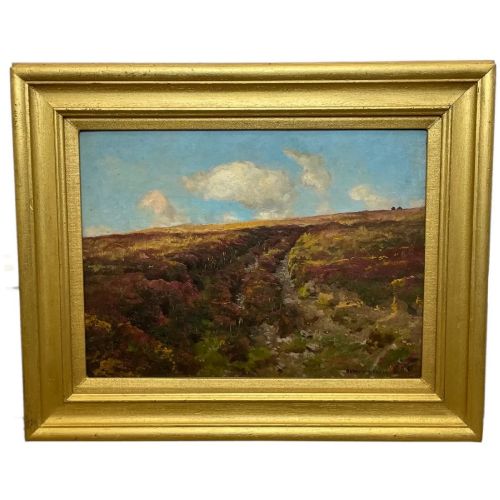
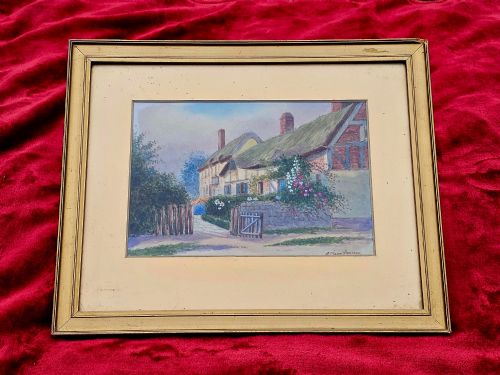
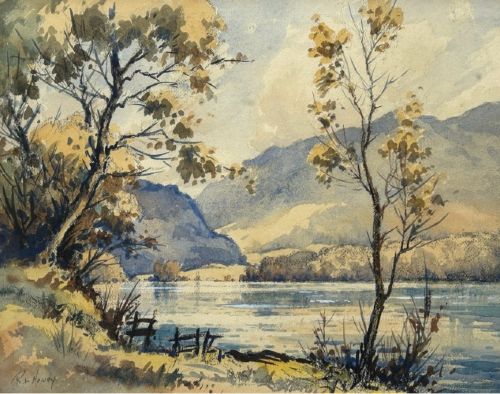
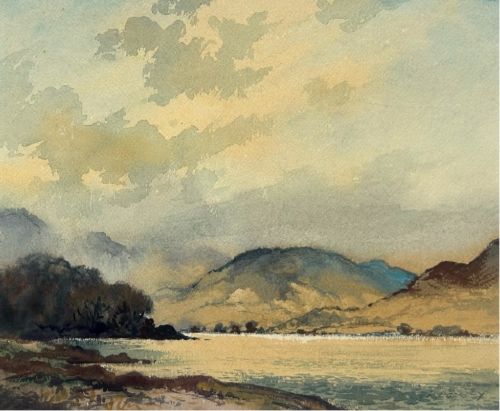
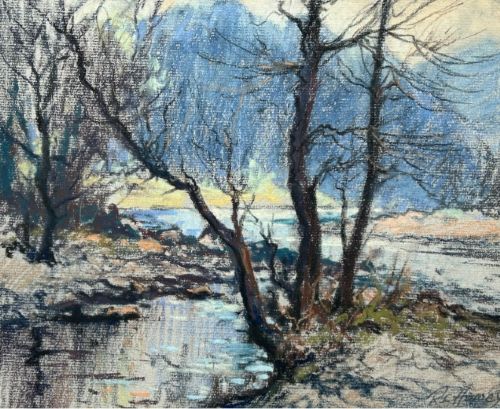
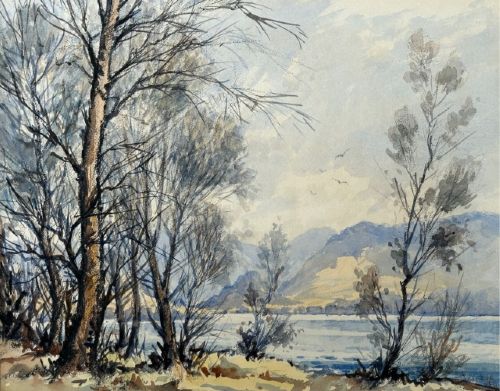
A signed english landscape piece offers a direct connection to British countryside and coastal views, typically captured on paper or canvas by regional artists. These works span from the late Victorian period through the mid-twentieth century, recording rivers, cottages, and pastoral scenes.
Buyers browsing this selection frequently encounter original watercolours and oil paintings bearing visible signatures or monograms from the artist's hand. Subjects range widely from Yorkshire harbours and northern lakes to southern farmland and rustic mills.
The assortment on this page draws heavily from early twentieth-century and late nineteenth-century traditions, including works influenced by regional British schools. Each piece preserves a distinct geographic moment through period pigments and supports.
How They Were Made
Artists executed these works primarily using watercolour pigments on paper or oil paint applied to canvas, wood panels, or boards. Support materials varied according to the painter's preference for studio work or outdoor sketching.
Watercolour pieces required fluid washes and careful layering on heavy paper to capture atmospheric light in coastal and river scenes. Oil paintings on canvas or panel allowed thicker applications of pigment, building rich surface textures for woodland and harvest subjects.
Listings feature works spanning from the late nineteenth century through the mid-twentieth century, executed in oil, watercolour, and pastel.
What Varies in Quality
Quality rests primarily on the sureness of the brushwork and the artist's command of light, atmosphere, and composition within the chosen medium. Stronger examples display confident handling that brings depth and movement to skies, water, and foliage.
The preservation of the paper, canvas, or panel significantly shapes the standing of each piece over time. Works retaining their original pigments without heavy fading or surface disruption command greater appreciation from collectors.
James Orrock·William Howard Hardy·Frederick Marriott·Arthur Wardle·Robert Leslie Howey·William Banks Fortescue·Eric Brown·Russell Sidney Reeves·F A Roylance·Alfred George Morgan·Sir David Murray·Herbert Royle·Harry Wanless·Cuthbert Crossley·Reginald Grange Brundrit·Stanley Orchart·J Phipps·Robert John Hammond·Colin H Greenwood·Henry Bailey·H Davis·J C Grey·John Bell·William Joseph Boyes·A A Finch
The Signed English Landscape Glossary
- Watercolour
- A painting method where fine pigment is mixed with water-soluble binders and applied to paper. It relies on the white of the paper shining through translucent washes.
- Panel
- A rigid flat support, often wood, used by artists instead of stretched canvas for painting. Painters valued its stable surface for detailed outdoor sketching.
- Pastoral
- A style of art depicting rural life, shepherds, and farms in an idealized or peaceful countryside setting. These scenes celebrated traditional agricultural routines.
- Seascape
- A painting focusing primarily on the sea, ships, harbours, and coastal views. British works in this genre frequently highlight local fishing fleets and dramatic tides.
- Provenance
- The documented history of ownership surrounding a work of art. It traces the journey of a painting from the artist's studio to the present day.
Signed English Landscape: Frequently Asked Questions
How do I identify the artist?
Signatures, monograms, or inscriptions located near the lower corners of the painted surface usually reveal the creator. Comparing these hand-written names with period artist records helps confirm attribution.
Some works also feature gallery labels, exhibition stamps, or handwritten notes on the reverse of the frame or panel providing further clues.
Where should I hang these paintings?
These landscape and coastal pieces suit studies, living rooms, and hallways where natural light can illuminate the brushwork. Keeping them away from direct sunlight protects vulnerable watercolours and oil pigments from fading.
Pairing them with period wooden frames enhances their traditional character and anchors them securely to the wall.
What is the difference between oil and watercolour?
Oil paintings utilise slow-drying pigmented paste applied to canvas or wood boards, offering rich textures and deep colour layering. Watercolours employ water-soluble pigments on paper, creating lighter and more translucent atmospheric effects.
Oils generally require protective wooden framing behind glass is rarely necessary, whereas watercolours must stay sealed under glass to prevent moisture damage.
How can I tell the period?
Stylistic clues, framing materials, and preparation techniques on the reverse of the canvas or panel often indicate the era of creation. Victorian and Edwardian works frequently display specific muted palettes and detailed brush techniques characteristic of their decades.
Inscribed dates alongside signatures in the paint or pencil notes on the backing materials provide the most direct confirmation of age.