




Signed Painting
A signed antique painting offers a direct link to the hand of a named maker across the nineteenth and twentieth centuries.
Signed Painting
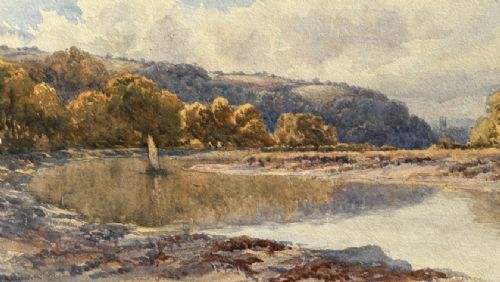
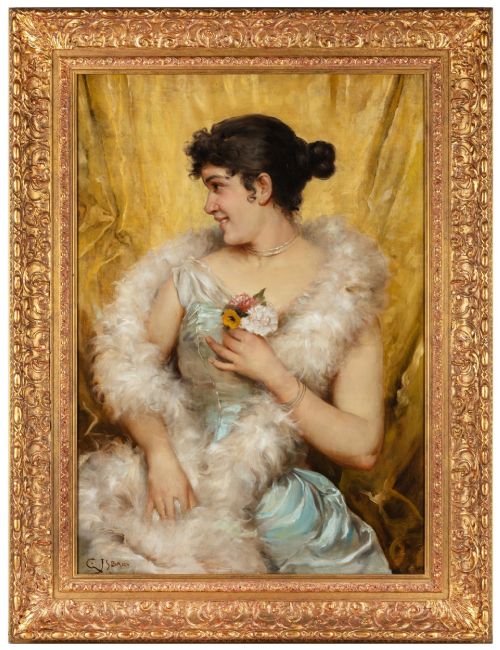
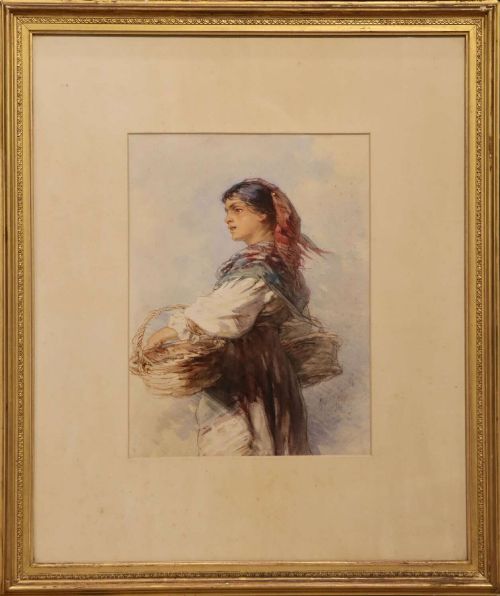
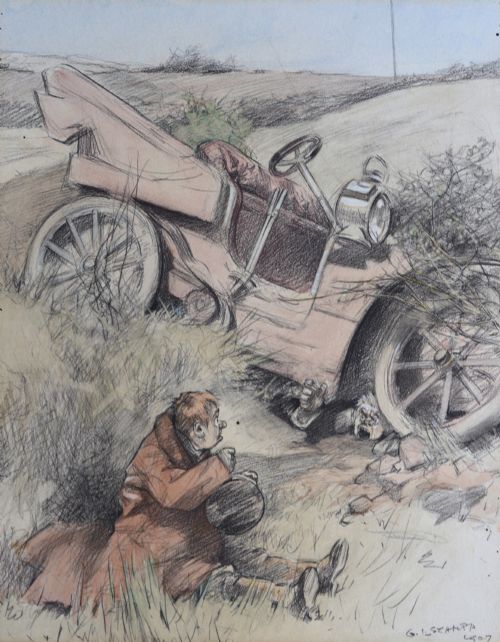
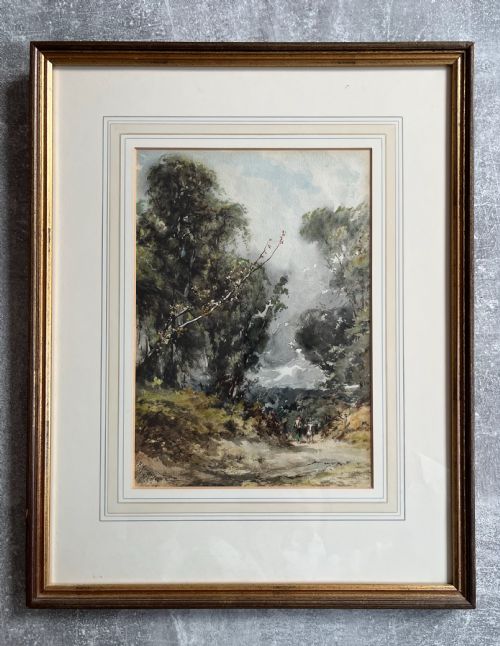
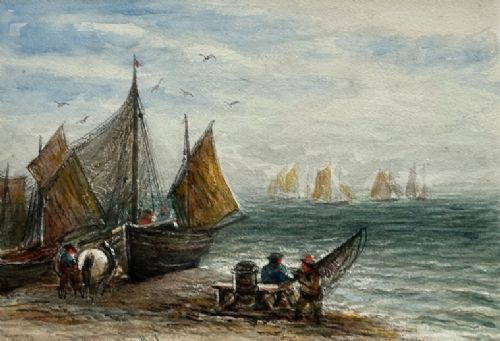
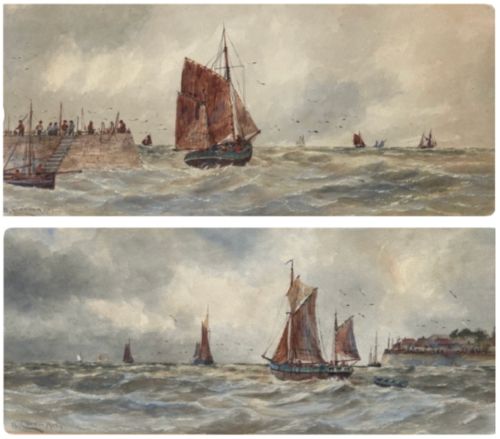
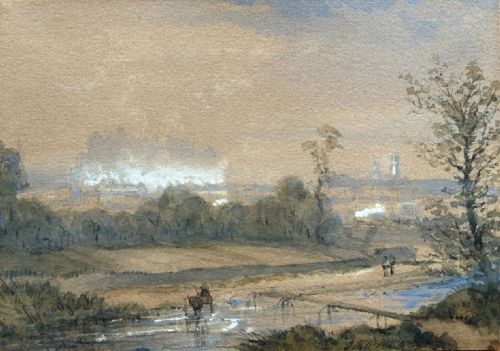
A signed antique painting comprises original works on canvas, wood panel, or paper bearing the authentic signature or monogram of the artist. Buyers searching for a signed antique painting encounter framed watercolours and oil paintings dating principally from the nineteenth and early twentieth centuries. These works span British landscapes, maritime scenes, rural pastorals, and intimate interior portraits.
How They Were Made
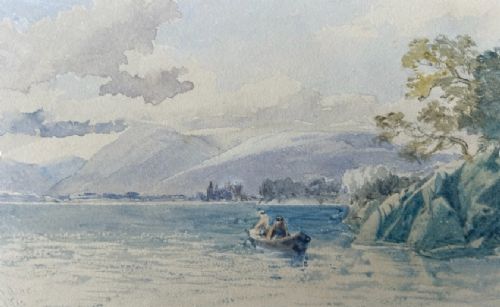
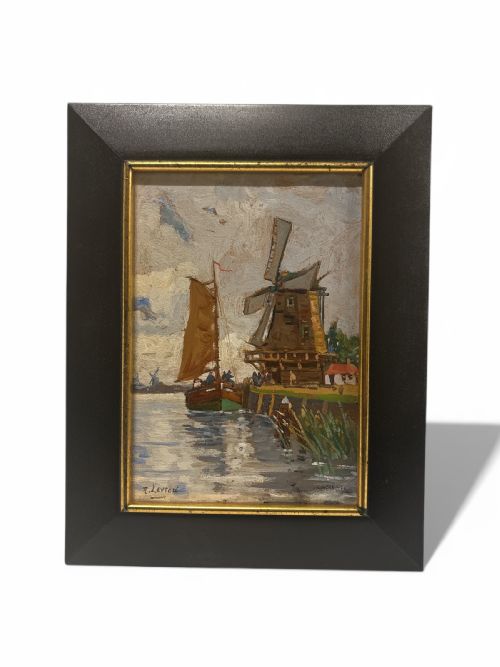
Artists applied oil paint or watercolour pigments onto prepared canvases, wooden panels, heavy paper stocks, or silk grounds. Oil paintings often utilised canvas stretched over wooden frames or applied directly to sturdy wood panels, sometimes finished with impasto technique for textured depth. Watercolours relied on delicate washes of pigment on paper, frequently supported by protective glass and framed in giltwood.
Frames themselves formed an integral part of the creation, constructed from wood and finished with intricate gilt gesso mouldings. The combination of durable canvas supports, rich oil pigments, and traditional framing ensured these signed pieces survived across generations.
Listings feature works spanning the nineteenth century through the 1950s, executed in oil, watercolour, and pastel.
What Varies in Quality
Quality in a signed antique painting rests upon the confidence of the brushwork and the clarity of the composition. Superior examples display assured handling of light, atmosphere, and subject matter, whether depicting a turbulent coastal sea or a tranquil woodland interior. The preservation of the original pigment vibrancy and the integrity of the supporting panel or canvas distinguish exceptional works.
The harmony between the artwork and its period frame also influences the overall standard of the piece. Works that retain their original signed attribution alongside well-preserved contemporary gilt gesso framing represent the finest tier of surviving output.
George Lorain Stampa·George Fotherly Hargitt·Thomas Miles Richardson Jnr·James Orrock·William Henry Earp·William Cannon·R Leyton·John R Prentice·William H Myers·Tom Campbell·W Klombeck·William Howard Hardy·Frederick Marriott·Arthur Wardle·Robert Heinrich·A Mitchell·A Marie Parsons·Alfred Fontville de Breanski Jr·B Nash·George Houston·William Banks Fortescue·Stephen Samuel Lewin·John Rose Miles·Vittorio Reggianini·Thomas W Lascelles
The Signed Painting Glossary
- Watercolour
- A painting method where the paints are made of pigments suspended in a water-based solution. These works are typically executed on paper and mounted under glass.
- Impasto
- A technique where paint is laid on an area of the surface in very thick layers, usually thick enough that the brush or painting-knife strokes are visible.
- Giltwood
- Wood that has been treated with a thin layer of gold leaf or gold paint. This material is standard for period decorative frames.
- Monogram
- A motif made by overlapping or combining two or more letters to form a single symbol. Many artists used these instead of a full signature on smaller works.
Signed Painting: Frequently Asked Questions
How do I hang a heavy oil painting?
Secure the piece using appropriate wall anchors matched to the weight of the canvas and its solid wood or gilt frame. Ensure the hanging wire and brackets are firmly attached to the structural stretcher bars rather than the frame moulding alone.
Position the work at eye level, away from direct sunlight and fluctuating heat sources to protect the historic oil pigments and canvas substrate over time.
Are watercolours sensitive to light?
Watercolour paintings use pigments on paper that remain vulnerable to fading when exposed to direct, strong sunlight for prolonged periods. Display these works on interior walls where light levels stay indirect and controlled.
Using conservation-grade glass during framing helps filter ultraviolet rays and preserves the delicate washes of nineteenth-century watercolours.
How do I clean an antique frame?
Dust giltwood and gesso frames gently with a soft, dry brush to remove surface particles without disturbing the delicate metallic leaf. Avoid liquid cleaners, solvents, or abrasive cloths, which strip the historic finish.
Professional conservators should handle any deeper cleaning required on nineteenth-century moulded and gilded decorative surrounds.
Can I reframe an antique painting?
Retaining the original period frame whenever possible preserves the historical context and integrity of the artwork. Many pieces were created specifically for their initial gilt settings.
If a replacement is necessary, select a period-appropriate frame style that matches the date and aesthetic of the painting without damaging the canvas edges.