





Signed Oil Artwork
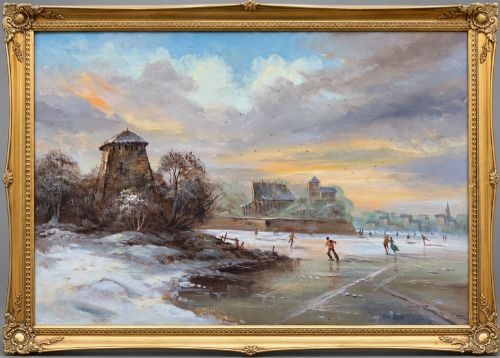
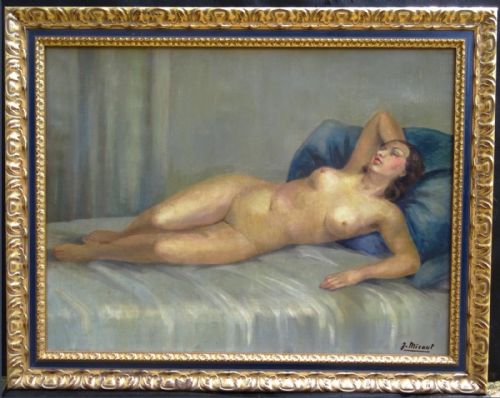
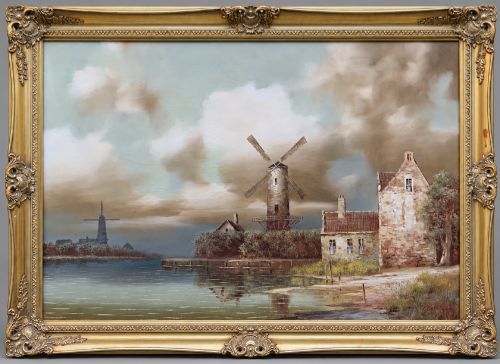
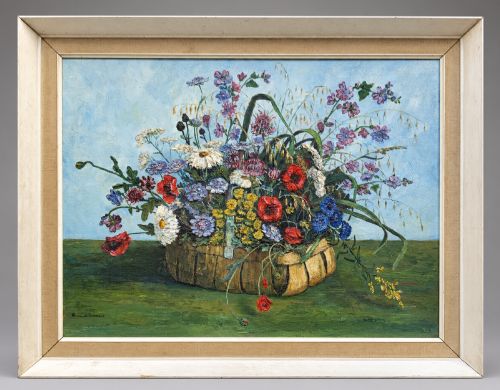
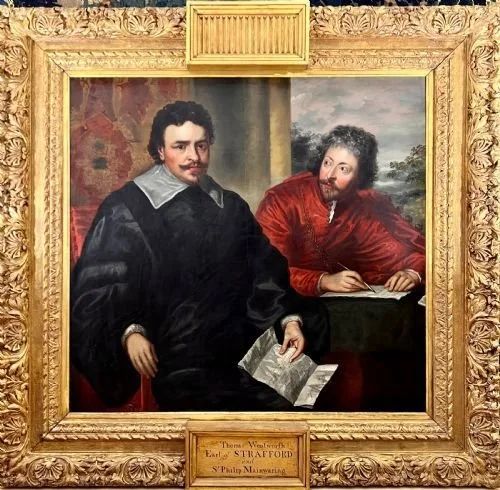
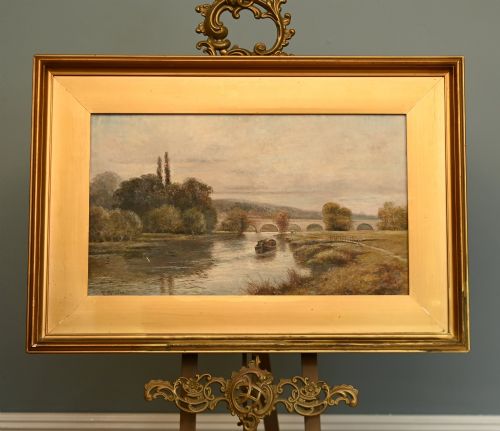
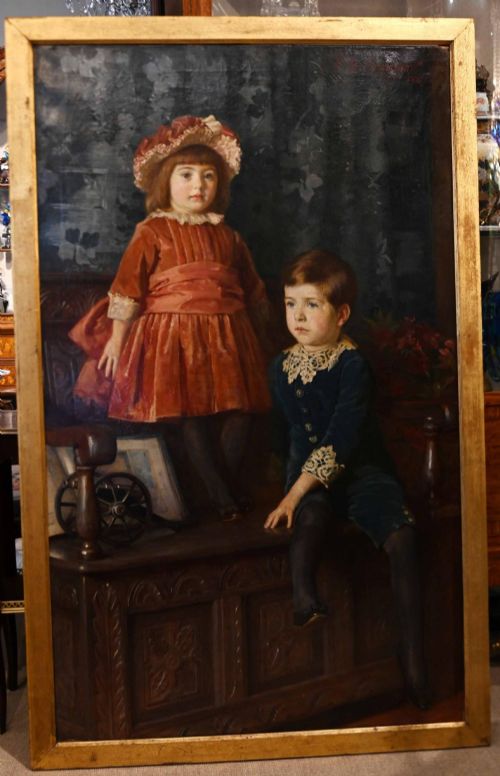
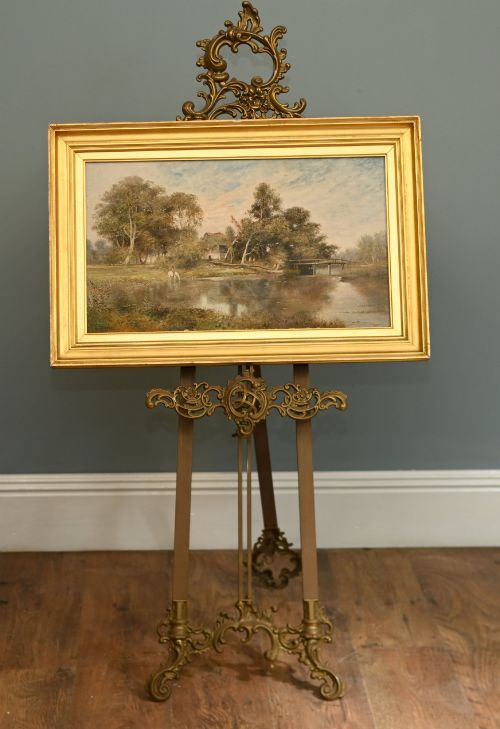
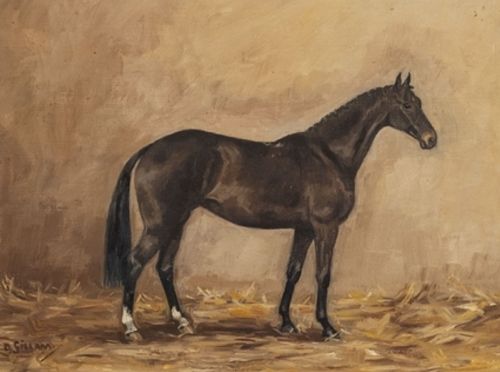
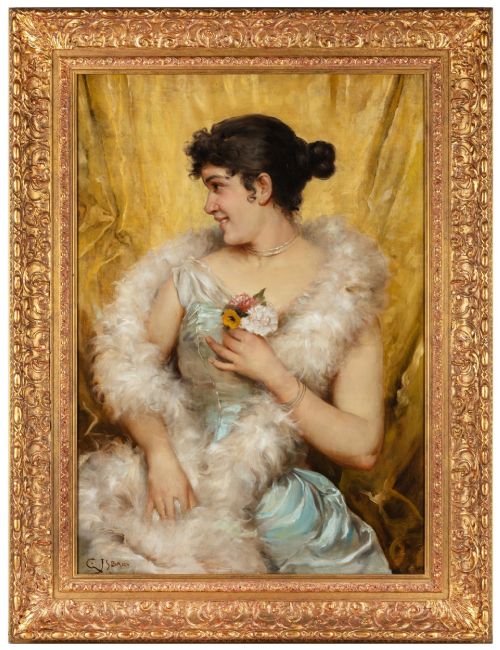
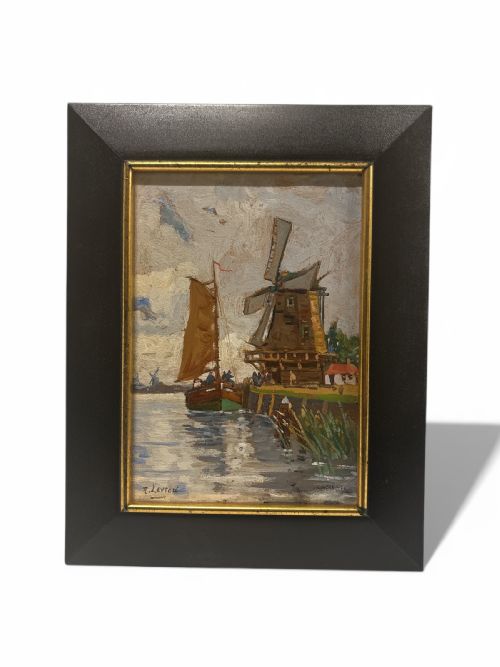
These signed antique oil artwork pieces bring hand-painted individuality and period character to walls, spanning Victorian landscapes to mid-century still lifes.
Signed Oil Artwork
When you search for signed antique oil artwork, you encounter historical paintings bearing the distinct signature of their creator. These works primarily take the form of wall art, oil paintings, and fine art pieces produced across the nineteenth and twentieth centuries.
The selections available here range from Victorian and Edwardian pastoral scenes to impressionist marine views and detailed portrait studies. You are most likely to meet original British and European landscapes, floral still lifes, and figurative compositions executed on canvas or wood panel.
Makers and artists sign their creations directly onto the paint surface or within the composition, providing a direct link to the hand of the painter. These historic paintings capture changing aesthetic movements, including British Realism, Impressionism, and Flemish styles.
How they were made
Artists applied viscous oil paint composed of ground pigments suspended in a drying oil, typically linseed, onto prepared surfaces of stretched canvas or rigid wood panels. This medium allowed for rich colour blending, deliberate impasto texture, and gradual layering over extended drying periods.
Many of these works remain housed within their original or period-matching frames constructed from carved wood, gilt gesso, or gilded timber. The interplay between the oil pigments and these traditional mounting enclosures completes the physical structure of each piece.
Several canvases capture cows, sheep, and cheeky cats staring right back at you across the centuries.
What varies in quality
The distinction between ordinary decorative paintings and superior artistic works lies in the confidence of the brushwork and the precision of compositional balance. Master painters achieved depth of light, atmospheric realism, and expressive handling of oil paint that lesser hands missed.
Condition and originality also dictate the standing of a piece, separating well-preserved surfaces from those heavily altered by later restoration. The harmony between the painted canvas and its period frame contributes significantly to the overall integrity of the artwork.
R Leyton·William H Myers·Tom Campbell·Frederick Marriott·Arthur Wardle·Alfred Fontville de Breanski Jr·George Houston·Stephen Samuel Lewin·John Rose Miles·Vittorio Reggianini·Thomas W Lascelles·Arthur Gue·Vincent Clare·Bernard Benedict Hemy·Herbert Ashwin Budd·Eric Brown·Trajan Hughes·Edgar Hunt·Charles James McCall·Vernon DeBeauvoir Ward
The Signed Oil Artwork Glossary
- Impasto
- Paint applied thickly to a canvas or panel, standing out in relief from the plane. This technique leaves visible brush or palette knife marks that catch the light.
- Giltwood
- Wood carved and coated with a thin layer of gold leaf or gold paint. It frequently surrounds nineteenth-century canvases to enhance their visual weight.
- Panel
- A rigid wooden board utilised as a structural support for oil painting instead of woven fabric. Panels provide a stable, flat surface favoured by many historical artists.
- Chiaroscuro
- The strong contrast between light and dark areas within a composition. Artists employ this method to create dramatic volume and three-dimensional form on a flat surface.
Signed Oil Artwork: Frequently Asked Questions
What periods do these paintings come from?
The works span multiple eras, encompassing nineteenth-century Victorian pieces alongside Edwardian creations and twentieth-century modernist compositions. Individual panels and canvases often bear dates or stylistic markers pointing to specific decades.
Collectors find distinct regional variations across British, French, Flemish, and Dutch schools within these timelines.
How do I identify the artist's signature?
Signatures typically appear in one of the lower corners of the canvas or wood panel, rendered in paint that matches the palette of the surrounding composition. Some signatures are clearly legible, while others require careful examination due to age or indistinct application.
Archival records and listed artist indices help connect these handwritten names to historical painters.
Are these paintings created on canvas or wood?
Artists utilised both traditional stretched canvas and rigid wood panels depending on the scale and regional style of the work. Canvas offers flexibility and texture, whereas wood panels provide a firm, solid foundation for detailed brushwork.
Both supports have survived across the centuries when kept in stable environmental conditions.
How should I hang an antique oil painting?
Select an interior wall protected from direct sunlight, excessive moisture, and rapid temperature fluctuations to safeguard the fragile oil pigments and wooden frames. Secure picture hanging hardware must match the weight of both the canvas and its heavy gilt surround.
Allow adequate space around the artwork so the composition can be viewed clearly without visual clutter.