

Signed 19th Century Art
Signed 19th century art carries the distinct mark of its maker, bringing authentic period paintings, drawings, and sculptures into contemporary spaces.
Signed 19th Century Art
Signed 19th century art encompasses works created during the eighteen-hundreds bearing the autograph, monogram, or signature of the artist, painter, or sculptor.
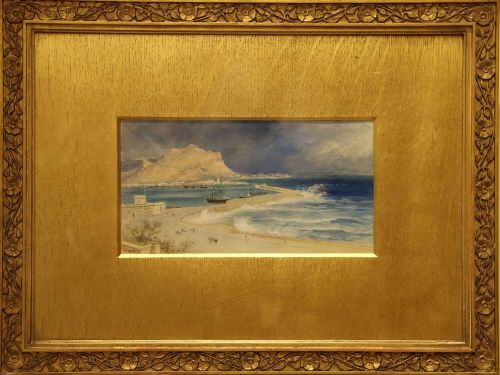
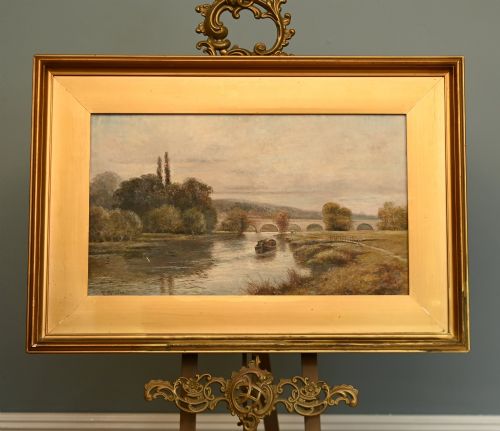
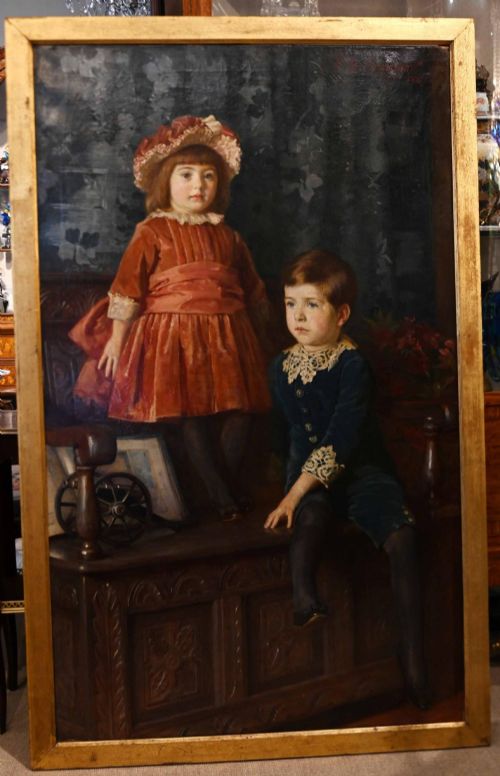
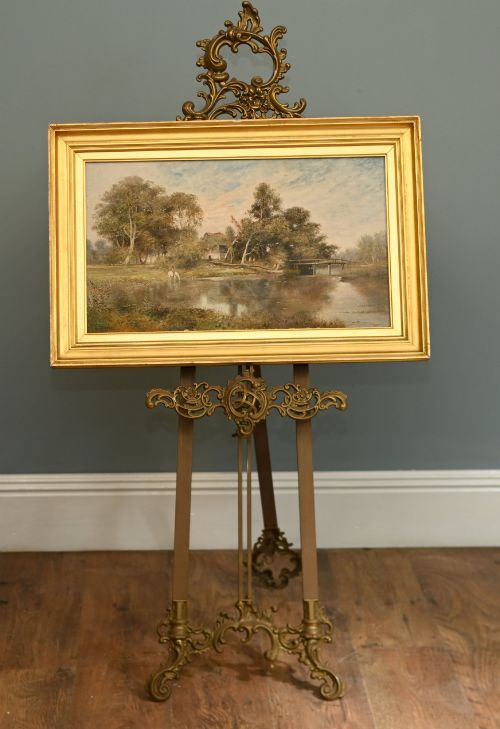
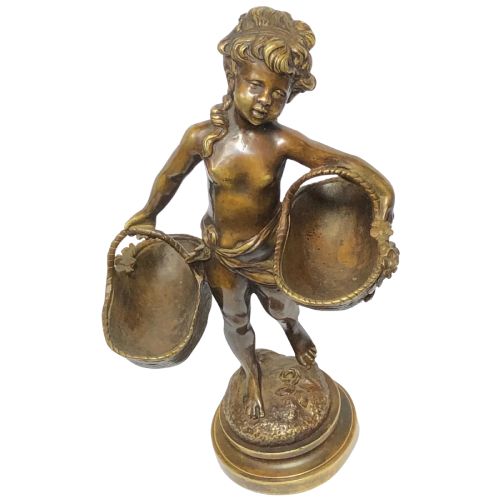
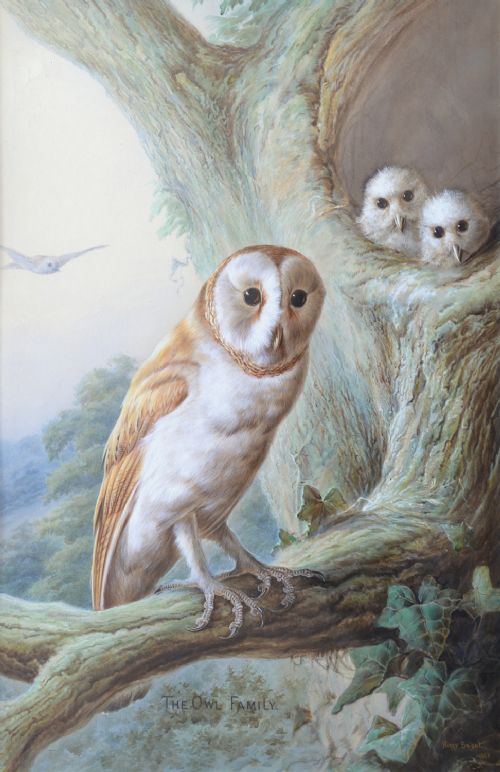
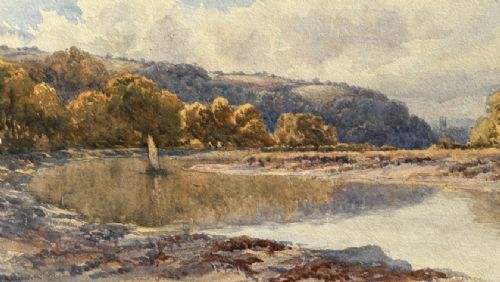
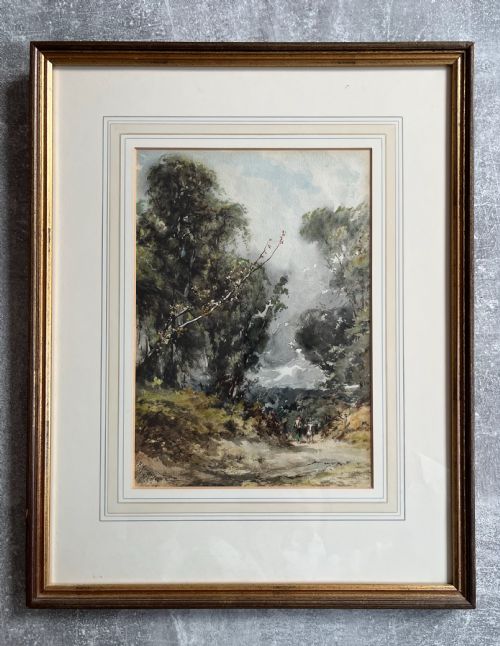
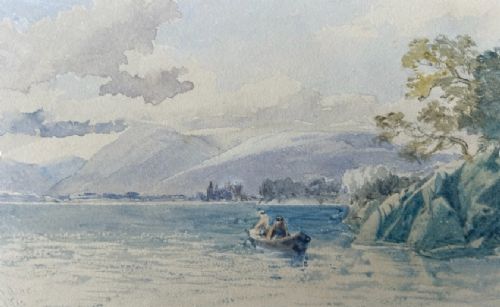
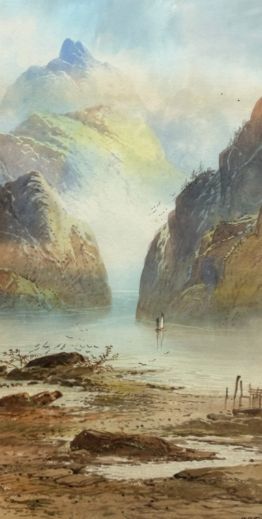
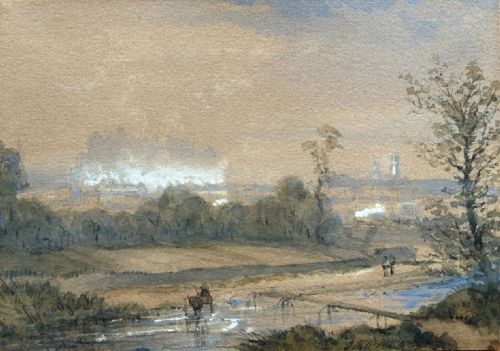
The selection ranges widely from British and European landscapes, marine seascapes, and botanical watercolours to oil paintings on canvas, wood panels, and bronze sculptures.
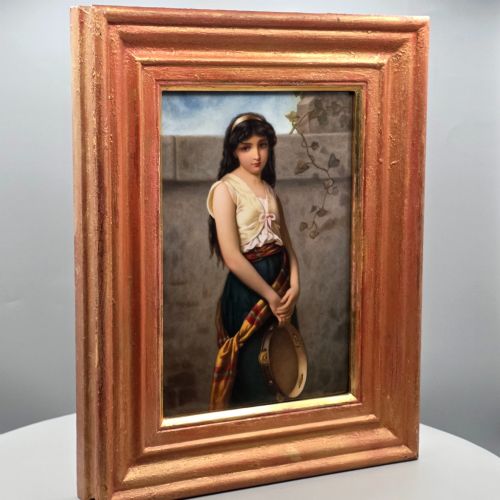
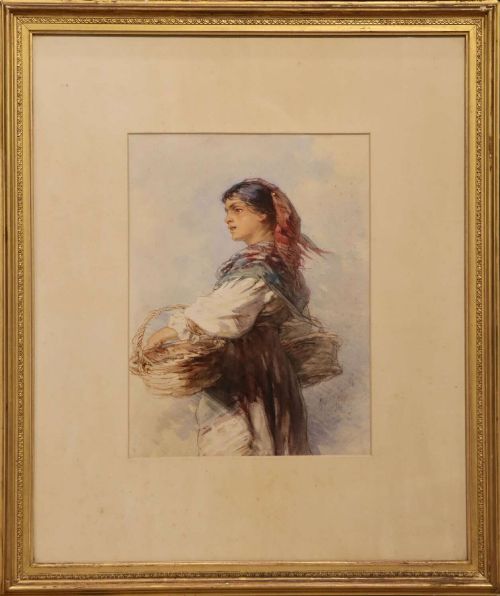
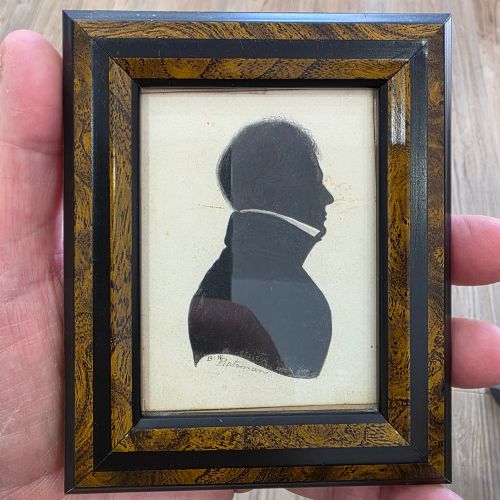
Buyers will encounter framed watercolours, oils, etchings, and silhouettes originating from Victorian Britain, France, Italy, and the Netherlands.
How They Were Made
These pieces are executed in oil paint on canvas or wood panels, watercolour on paper, pencil on paper, and ink, alongside cast bronze sculptures.
Supports include prepared canvas, wood panels, vellum, and silk, often housed within period giltwood frames.
What Varies in Quality
The strength of composition, precision of brushwork, and clarity of the artist's signature or monogram distinguish standard pieces from finer examples.
The condition of the original pigment, paper support, or canvas, alongside the presence of a period gilt frame, influences the overall integrity of the piece.
George Fotherly Hargitt·Thomas Miles Richardson Jnr·James Orrock·William Henry Earp·John R Prentice·Frederick Marriott·Alfred Fontville de Breanski Jr·William Banks Fortescue·Stephen Samuel Lewin·John Rose Miles·Vittorio Reggianini·Thomas W Lascelles·Vincent Clare·Bernard Benedict Hemy·Henry H Parker·Herbert Dicksee·E Villanis·Luigi Secchi·John Emms·Arthur Joseph Meadows·Edward Burrow·Margaret Bernard·David Woodlock·William Greaves·Henry Barlow Carter
The Signed 19th Century Art Glossary
- Monogram
- A motif made by overlapping or combining two or more letters to form a recognizable cipher or signature.
- Watercolour
- A painting method in which the paints are made of pigments suspended in a water-based solution on paper supports.
- Giltwood
- Wood that has been coated with gold leaf or gold paint, commonly found on period frames.
- Etching
- A printmaking process where lines are incised into a metal plate with acid to hold the ink.
Signed 19th Century Art: Frequently Asked Questions
How do I verify a signature?
Signatures on nineteenth-century works should be examined alongside known exemplars, handwriting styles, and the medium used by the artist. Pigment analysis and framing context often provide additional verification.
Signatures integrated naturally into the wet paint or ink indicate authenticity, whereas clumsy additions applied later disrupt the surface layer.
Where should I hang these works?
These artworks suit traditional and contemporary interiors alike, provided they are kept away from direct sunlight and damp environments. Proper wall placement preserves the delicate watercolours and oil canvases.
Pairing framed oils or watercolours with neutral walls allows the period giltwood frames and rich pigments to stand out.
How do I date an unsigned piece?
Dating relies on examining the materials, such as the weave of the canvas, the composition of the paper, and the style of the frame. Pigment types and subject matter also offer strong chronological clues.
Comparative analysis with documented works by similar schools helps narrow down the decade of creation.
What framing is appropriate?
Period giltwood frames complement nineteenth-century oils and watercolours, enhancing their historical character. Original frames often bear maker stamps or labels on the reverse.
Ensuring the framing materials are acid-free protects paper works from degradation over time.