
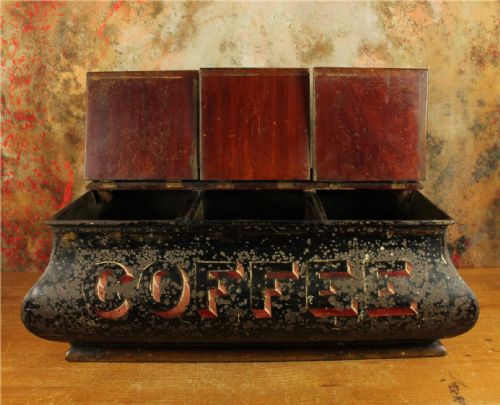


Shop Counter Display Box
These shop counter display box pieces put commercial heritage right on the tabletop, offering glazed and wooden storage shaped by Victorian and twentieth-century trade.
Shop Counter Display Box
A shop counter display box brings together countertop cabinets, storage boxes, and tabletop display cases designed for commercial use. The pieces span the nineteenth century through to the interwar period, including Victorian and Edwardian examples alongside 1920s and 1930s commercial designs.
You will most commonly encounter glazed oak or mahogany countertop cabinets alongside specialised haberdashery boxes and apothecary containers. These items served busy shops, tea rooms, and cafes before finding a second life in domestic interiors.
The selection ranges from small desktop cabinets and linen button holders to chocolate and sewing cotton showcases bearing period brand lettering. Each form reflects the specific merchandising needs of historical tradespeople, from watchmakers to confectioners.
How they were made
Maker workshops utilised solid timbers such as oak, mahogany, and pine to construct robust frames capable of enduring daily retail handling. Glass panels were integrated into door fronts and lids to protect merchandise while maintaining visibility for customers.
Brass fittings, hinges, and locks provided secure access and structural reinforcement, while specialised surfaces incorporated paper labels, sign-writing, and toleware finishes. Hardwood framing and polished wood treatments ensured both longevity and a smart appearance on the shop floor.
Materials in these listings span mahogany, oak, pine, brass, glass, and toleware across Victorian and twentieth-century periods.
What varies in quality
The distinction between standard utility boxes and finer display pieces rests upon the selection of timber and the sophistication of the joinery. Hardwoods like mahogany and oak combined with refined brass hardware elevate certain cabinets above basic pine storage.
Original branding elements, such as surviving sign-writing for confectioners or sewing cotton manufacturers, add significant character and historical integrity. The clarity of the glass and the retention of original interior elements further distinguish the finer examples.
Manoah Rhodes & Sons Ltd·Chadwick’s Sewing Cottons·Rowntree’s Chocolates·Ermen & Roby·Fry’s·Cadbury's·Venus Pencil
The Shop Counter Display Box Glossary
- Toleware
- Painted or lacquered metalware used for decorative and commercial containers. It appears on nineteenth-century triple compartment boxes.
- Haberdashery
- Goods and textiles sold by merchants, giving rise to specialised wooden drawer units and display cases. These boxes often held sewing cottons and buttons.
- Apothecary
- A practitioner who prepared and sold medicines, utilising specialised countertop boxes and cabinets for storage. Such containers frequently feature multiple internal compartments.
- Countertop
- Designed to sit directly upon a retail shop counter for customer viewing. This placement maximised the visibility of small goods and confectionery.
Shop Counter Display Box: Frequently Asked Questions
What did they hold?
These boxes and cabinets stored small retail goods intended to catch the eye of customers standing at the counter. Merchants used them for sewing cottons, chocolates, stationery, and medicinal items.
Interior compartments kept different sizes and varieties organised while glass panels kept the merchandise clean and secure.
How do I date a cabinet?
Dating relies upon timber selection, construction methods, and any surviving commercial branding or sign-writing. Victorian and Edwardian examples typically feature heavier mouldings and rich mahogany or oak.
Twentieth-century pieces from the 1920s and 1930s often show sleeker commercial lines and specific manufacturer lettering related to established confectioners or stationers.
Where should I place one?
Their original purpose makes them ideal for tabletops, sideboards, or kitchen counters where small collections can be safely enclosed. Glazed models work well for displaying small ornaments, pocket watches, or vintage accessories.
Solid wooden boxes serve effectively for desktop storage while keeping historical character visible in a modern room.
Are the glass panels original?
Glass preservation varies across these antique and vintage commercial pieces due to their active working history in shops and cafes. Examining the pane thickness and surface minor irregularities helps determine if the glass belongs to the period of manufacture.
Replacement glass is sometimes fitted during restoration to ensure safety and stability for daily use in a home.