





Shiraz Wool Carpet
A shiraz wool carpet brings the rich palette and geometric motifs of South West Persia into a room, offering durability and historical depth.
Shiraz Wool Carpet
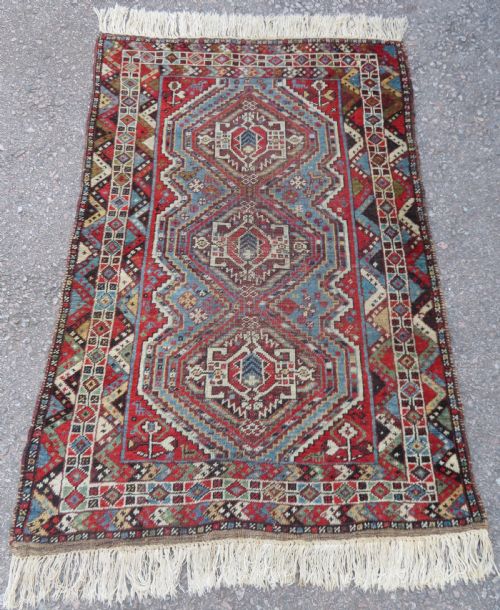
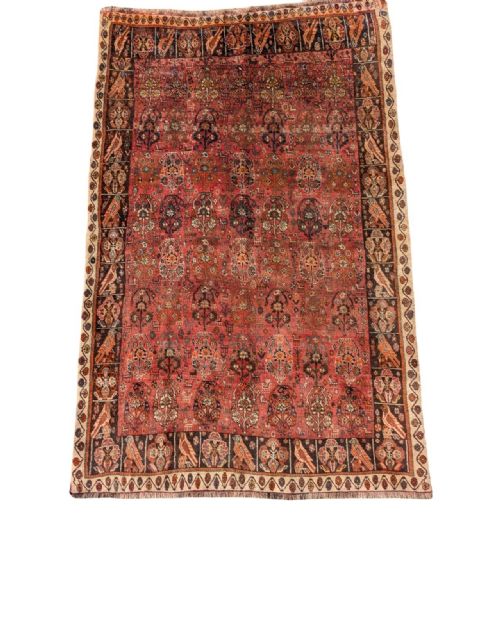
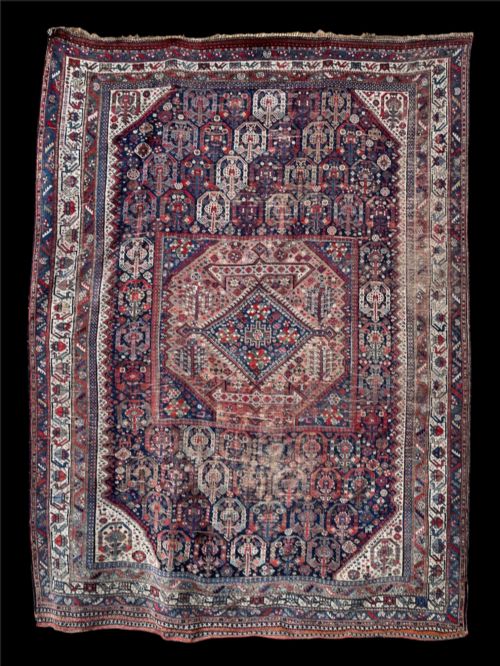
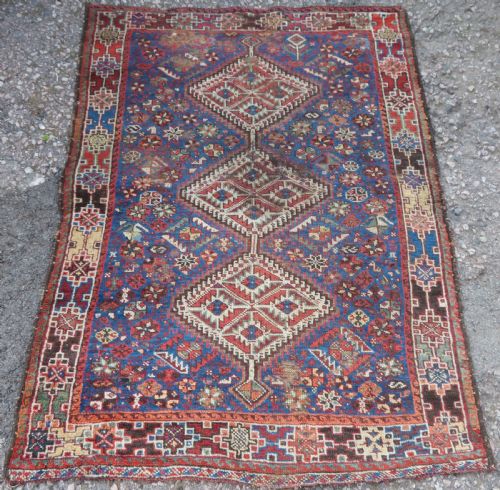
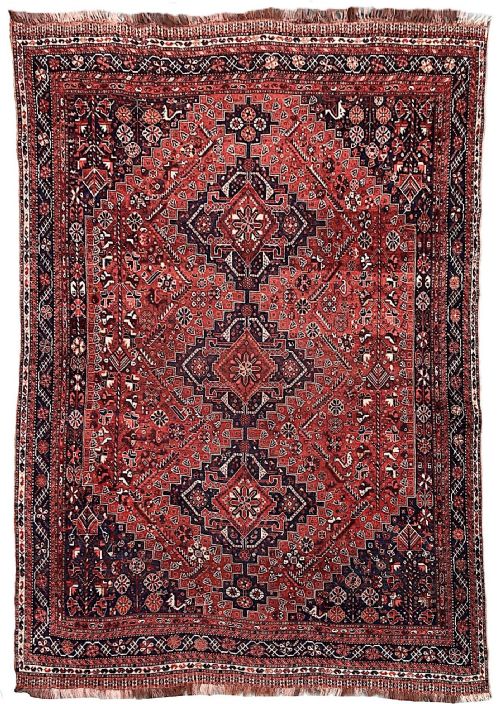
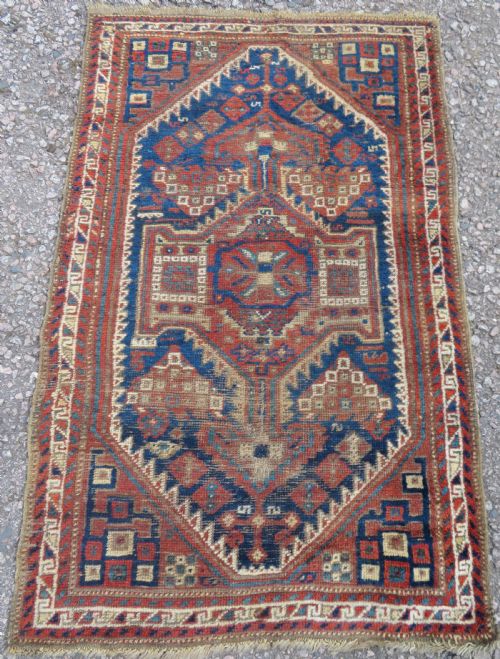
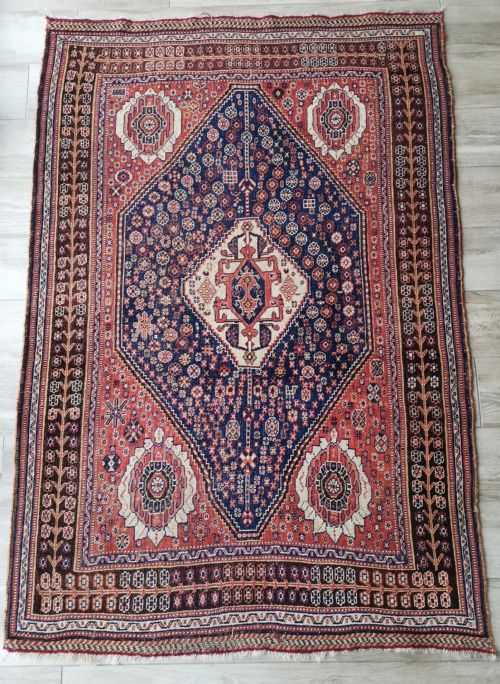
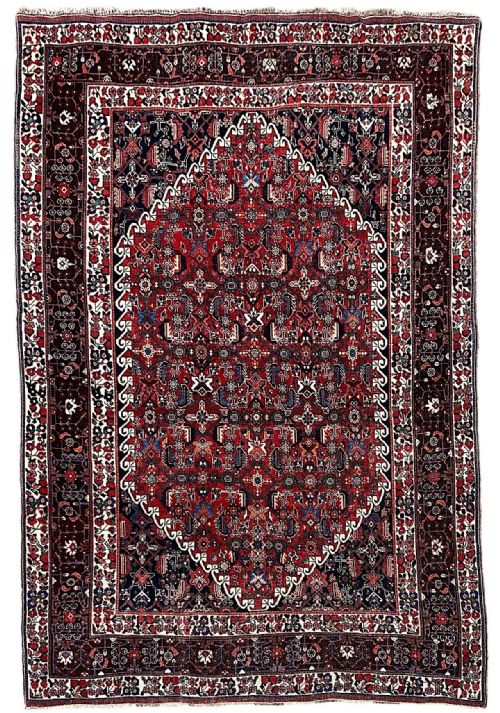
A shiraz wool carpet represents the traditional weaving of nomadic and village groups in South West Persia, encompassing related tribal groups such as the Qashqai and Khamseh. These floor coverings typically display central medallions, geometric patterns, and distinctive motifs like birds, woven by regional tribes working within domestic settings.
The pieces available span from the late nineteenth century into the early decades of the twentieth century, including examples produced around 1880, 1900, and up to 1930. Buyers encounter everything from smaller scatter rugs to substantial area rugs and main carpets originating from the Shiraz region and surrounding tribal confederacies.
Tribal weaving traditions dictate the character of these textiles, which often reflect the environment and cultural symbols of the makers. Regional nomenclature frequently overlaps between Shiraz, Qashqai, and Khamseh designations, uniting these items under a shared South Persian aesthetic.
What varies in quality
The standard of a shiraz wool carpet depends on the tightness of the knotting and the precision of the geometric layout. Denser knots create a firmer handle and sharper detail in complex motifs like medallions and repeating field patterns.
The vibrancy and depth of the natural dyes significantly influence the visual impact of each piece. Variations in wool quality and pile preservation determine how the surface reflects light and withstands decades of handling.
Shiraz Wool Carpet Retail Price Guide 2026
Typical asking prices for shiraz wool carpet among the pieces listed under this phrase on Sellingantiques today, from the lower quarter to the upper quarter. They describe what is for sale here now, not the wider market.
Listings feature carpets spanning from the 1880s through to the 1930s, constructed with hand-woven wool and cotton using natural dyes.
The Shiraz Wool Carpet Glossary
- Medallion
- A central ornamental design motif placed in the middle of the carpet field. These shapes often take geometric or polygonal forms in tribal weaving.
- Warp
- The vertical foundation threads stretched lengthwise on the loom before knotting begins. Cotton is commonly used for these structural elements in South Persian rugs.
- Weft
- The horizontal threads passed alternately over and under the warp threads to bind the knots in place. This technique secures the structural integrity of the woven fabric.
- Pile
- The upright cut ends of the yarn that form the usable surface of the carpet. Full-piled examples retain their original thickness and texture.
- Confederacy
- An alliance of various nomadic tribes operating under shared leadership in Persia. Groups such as the Khamseh combined multiple smaller tribes who produced distinctive regional textiles.
Shiraz Wool Carpet: Frequently Asked Questions
How do I identify a Qashqai rug?
Look for characteristic geometric medallions, rich natural dye colours, and motifs such as small birds or peacocks arranged within the central field. These details reflect the specific tribal heritage of South West Persia.
Attribution is often supported by the handle of the wool and the traditional construction methods recorded across late nineteenth and early twentieth century pieces.
Where were these carpets made?
These textiles originate from South West Persia, produced by nomadic and village populations associated with Shiraz, the Qashqai tribes, and the Khamseh confederacy. The weavers worked within regional encampments and settlements.
Their creations travelled through trading hubs like Shiraz, which gave its name to the broader category of carpets exported from the region.
Are these rugs suitable for high traffic?
The dense hand-woven wool pile provides natural resilience, making these carpets well-suited for everyday living areas when given appropriate care. Their robust construction was originally intended for practical domestic use.
Placing a suitable underlay beneath the carpet helps protect the cotton foundation and reduces wear from friction against hard flooring.
How should I care for an antique rug?
Regular gentle vacuuming without a rotating brush roll helps remove embedded dust from the wool pile without straining the foundation threads. Professional cleaning suited to antique textiles preserves the natural dyes and fibres.
Rotating the rug periodically ensures even exposure to light and distributes foot traffic evenly across the surface over the years.