






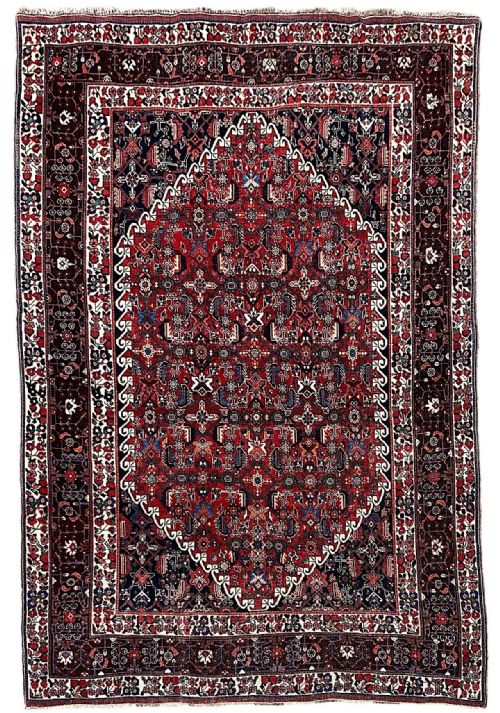


Red Qashqai Tribal Rug
A red qashqai tribal rug brings the rich nomadic weaving traditions of south-west Persia directly into your interior.
Red Qashqai Tribal Rug
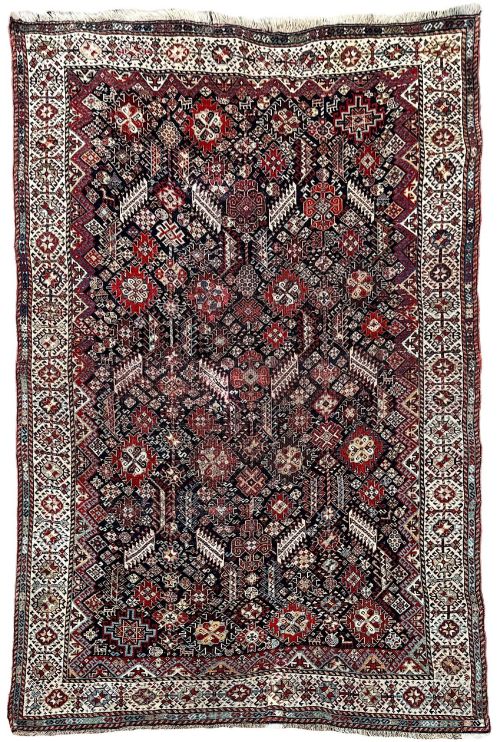
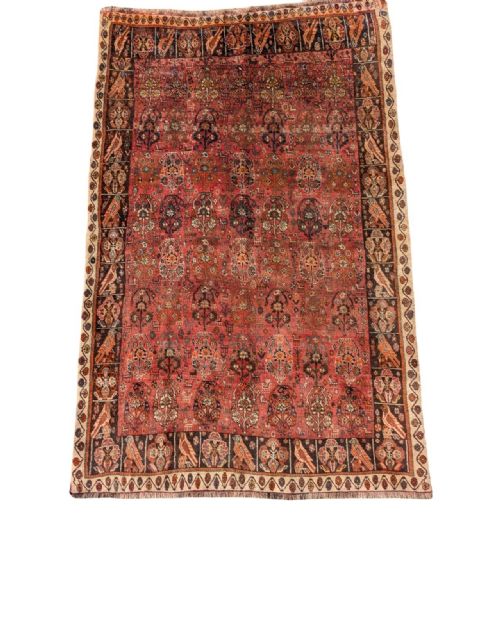
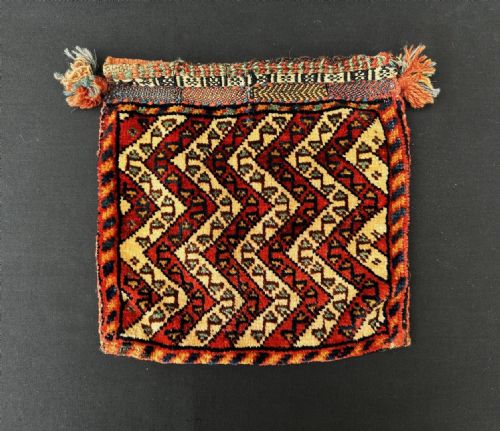
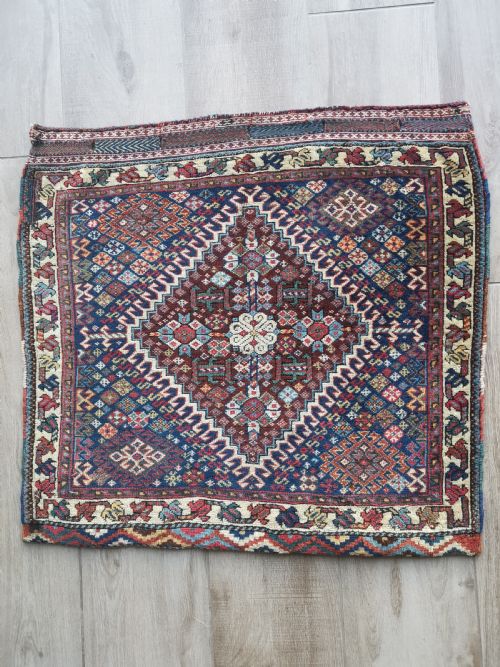
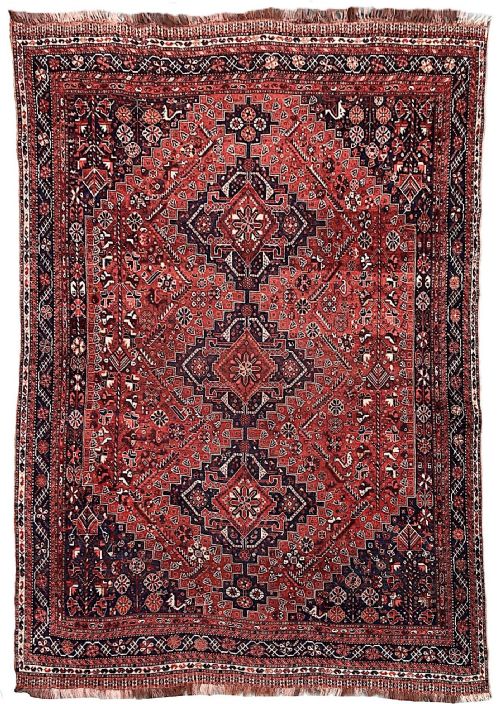
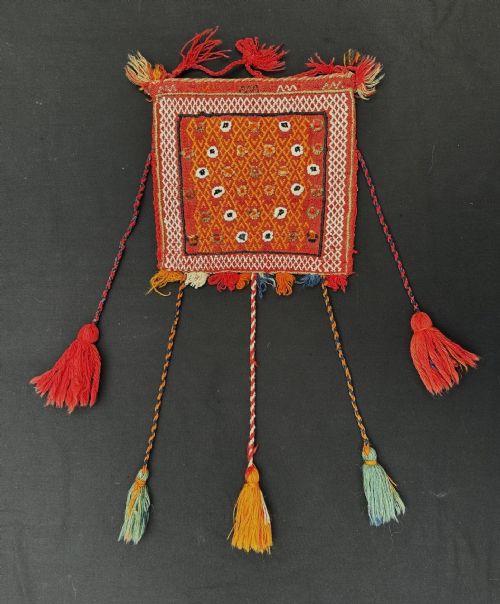
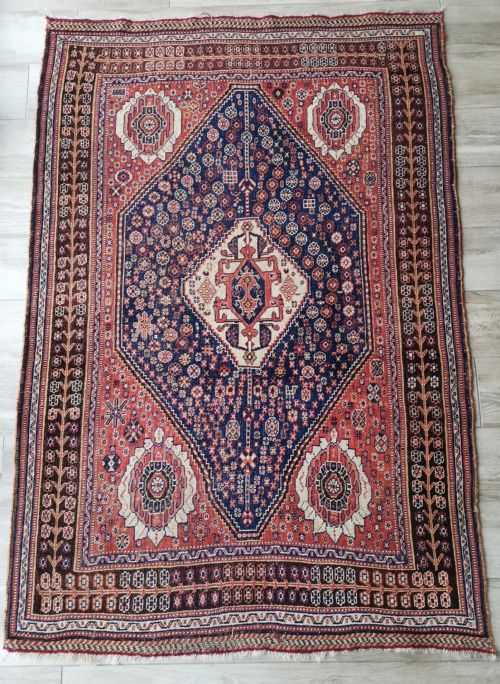
A red qashqai tribal rug represents the artistic output of the Qashqai confederacy and related tribes originating in the Fars Province of Persia. These textiles range from full-sized carpets and area rugs down to functional tribal bags, saddlebag faces, and cushions.
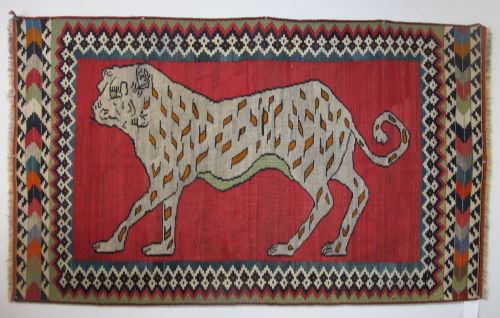
The pieces available span from the nineteenth century into the early twentieth century, showing distinct formats such as kilims, gabbeh rugs, and lion kilims. Buyers encounter both large floor coverings and smaller utility items created for nomadic daily life.
Nomadic weavers combined geometric motifs, medallions, and figurative elements like peacocks or trees of life. The resulting compositions reflect the heritage and environment of the makers across the south-west Persian highlands.
Materials and Construction
The construction relies heavily on wool, incorporating hand-spun wool and cotton foundations to build durable pile and flatweave structures. Artisans also integrated leather and wood components in specific utility items like cradles and bags.
Natural dyes provide the characteristic palette seen across these textiles, producing deep reds alongside contrasting hues. The application of these dye stuffs creates the subtle tonal variations typical of antique nomadic pieces.
Red Qashqai Tribal Rug Retail Price Guide 2026
Typical asking prices for red qashqai tribal rug among the pieces listed under this phrase on Sellingantiques today, from the lower quarter to the upper quarter. They describe what is for sale here now, not the wider market.
Some nineteenth-century weavers included surprisingly spirited lions and peacocks alongside traditional geometric medallions.
Evaluating Quality and Execution
Quality rests in the fineness of the weave and the handling of the wool, where hand-spun materials show superior texture and depth. Tighter knotting and precise execution of complex geometric or pictorial motifs elevate a piece.
The depth and complexity of the natural dye palette also determine distinction within the range. Pieces exhibiting rich, varied abrasion in the red grounds command greater appreciation from collectors.
Kashkuli Tayefeh·Darrehshuri Tayefeh·Ard Kapan Taifeh
The Red Qashqai Tribal Rug Glossary
- Kilim
- A flatwoven textile produced without a pile. These pieces rely on interlocking or slit-tapestry weave techniques.
- Gabbeh
- A coarsely knotted, thick pile rug traditionally woven for household use. They often feature sparse, open field designs.
- Medallion
- A central ornamental motif placed in the field of the rug. It forms the primary focal point of the composition.
- Kelleh
- A long, narrow format carpet shape. These formats suit specific architectural spaces within traditional Persian dwellings.
- Tayefeh
- A subtribe or clan within the larger Qashqai confederacy. Identifying specific groups helps locate the origin of individual weavings.
Red Qashqai Tribal Rug: Frequently Asked Questions
How do I identify a genuine piece?
Authentic pieces display characteristic wool quality, traditional Fars Province motifs, and natural dye variations that develop soft patinas over decades of age.
Examining the structural materials, such as hand-spun wool and foundation threads, helps confirm the tribal origins and period manufacture.
Where were these textiles made?
Weavers produced these rugs and bags within the Fars Province of south-west Persia. Nomadic and village groups moved across these highlands seasonally.
Different confederacies and subtribes contributed distinct design vocabularies and weaving structures to the regional output.
How should I care for a textile?
Protect antique wool and natural dyes by placing the textile out of direct, harsh sunlight to prevent fading. Regular, gentle vacuuming without a beater bar removes trapped dust effectively.
Professional cleaning tailored to antique rugs ensures the preservation of the delicate fibres and historical structure.
What is a saddlebag face?
Nomads constructed durable double bags for transport on animals during seasonal migrations. The visible front panel typically featured fine pile or flatweave decoration.
When these functional items retired from daily use, collectors preserved the decorative faces as independent decorative wall hangings or small mats.