



Sheraton Style Pedestal
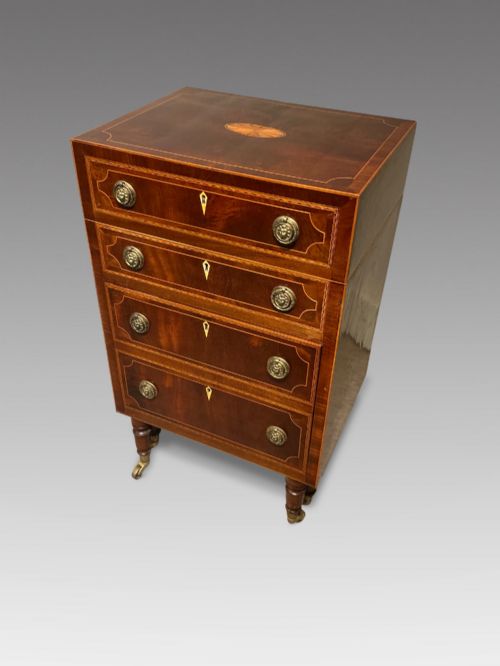
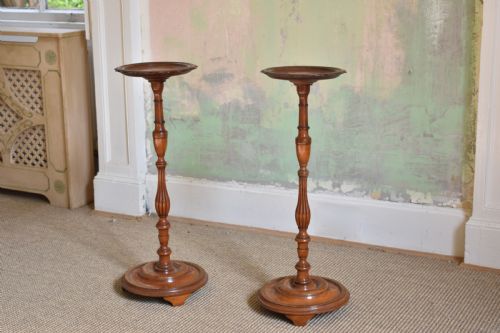
Sheraton style pedestal pieces bring balanced neoclassical proportions and fine geometric stringing into a room.
Sheraton Style Pedestal
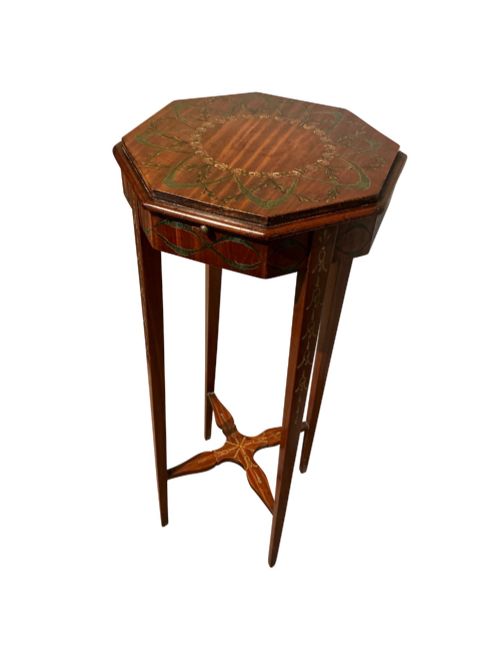
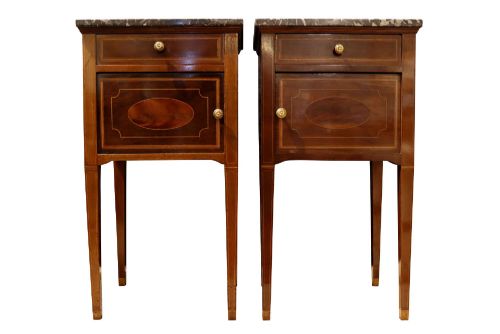
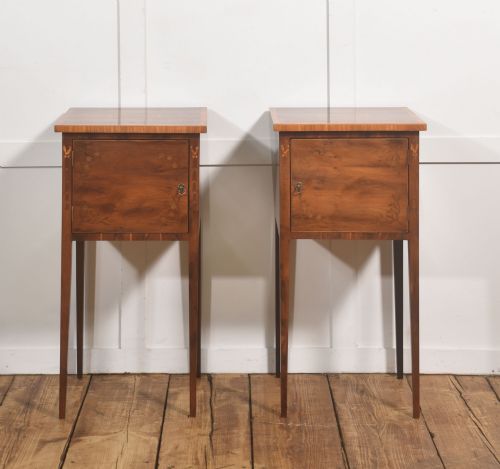
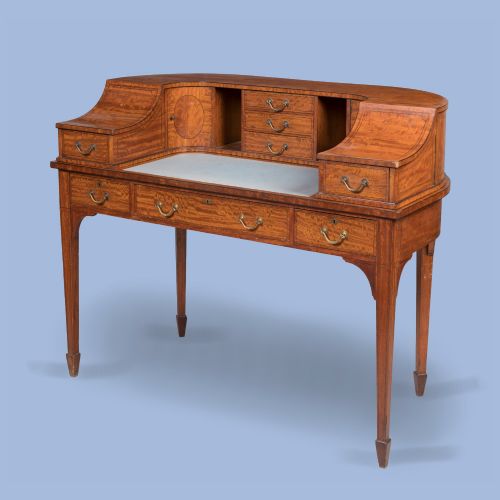
A sheraton style pedestal typically manifests as a support column beneath a writing desk, urn stand, or sideboard, echoing the light, graceful forms popularised in the late eighteenth century. These items include pedestal sideboards, bedside cabinets, and occasional wine tables that draw upon neoclassical design principles.
Buyers browsing this selection frequently encounter Edwardian and Victorian revivals alongside pieces originating from the Georgian period, particularly around 1800. These later iterations faithfully replicate the tapering legs, rectilinear geometry, and dignified stature of the earlier era.
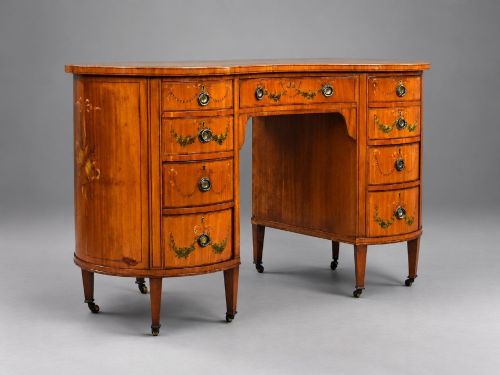
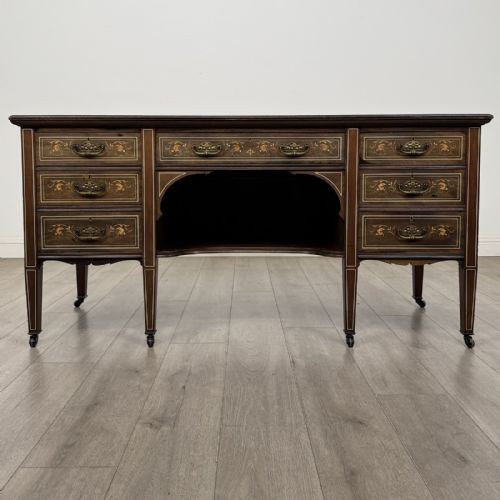
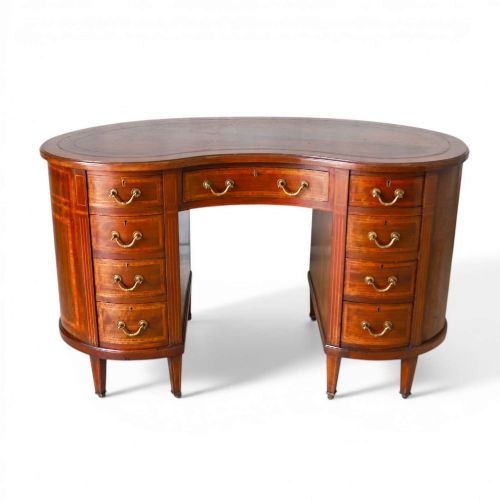
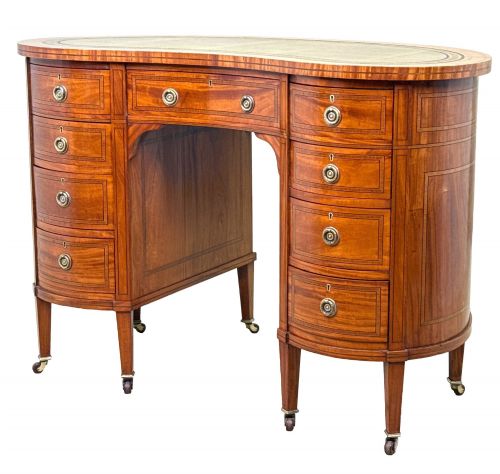
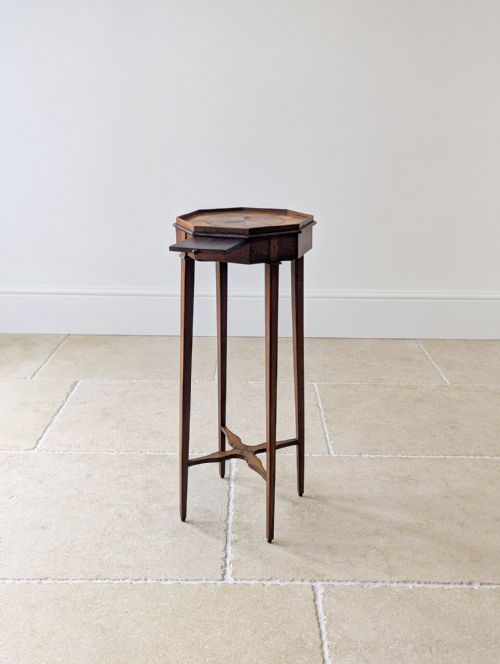
The objects span practical furniture such as kneehole desks and sideboards to smaller occasional furnishings like urn stands and wine tables. Mahogany and satinwood form the primary structural and decorative foundations for these pieces.
Materials and Construction
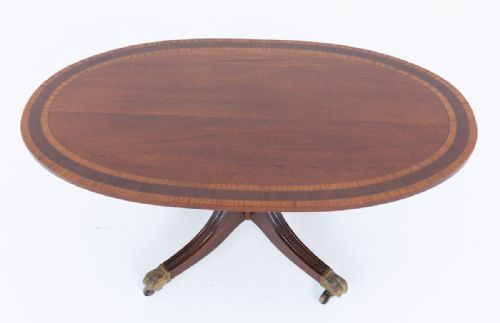
Cabinet makers utilised dense timbers such as mahogany and light satinwood as a contrasting canvas for intricate embellishment. These woods provided the necessary stability for structural pedestals and flat surfaces alike.
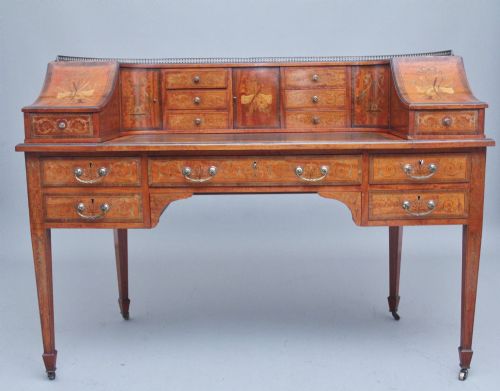
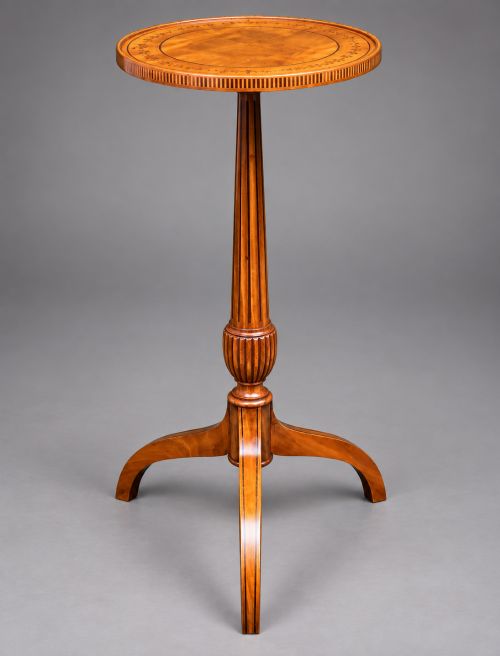
Detailed ornamentation relied on wood inlay, boxwood stringing, and elaborate marquetry depicting foliate patterns. Craftsmen embedded these contrasting veneers carefully into the primary timber to create geometric and floral motifs.
Brass fittings, leather writing inserts, and painted accents frequently complemented the woodwork. These secondary elements added functional contrast and refined texture to desks and cabinets.
Sheraton Style Pedestal Retail Price Guide 2026
Typical asking prices for sheraton style pedestal among the pieces listed under this phrase on Sellingantiques today, from the lower quarter to the upper quarter. They describe what is for sale here now, not the wider market.
Form variations range from heavy twin pillar dining tables to compact bedside cabinets and tall occasional wine tables.
Judging Quality and Execution
The distinction between ordinary and superior pieces rests on the precision of the timber selection and the crispness of the inlay work. Finer examples display seamless integration of contrasting satinwood and boxwood veneers without gaps or lifting along the edges.
Structural integrity of the pedestal base and the proportions of the upper cabinet dictate the overall elegance of the form. Master craftsmen maintained balanced symmetry and taut architectural lines that weaker workshops often missed.
Edwards and Roberts·Maple and Co.
The Sheraton Style Pedestal Glossary
- Sheraton Revival
- A late nineteenth and early twentieth century design movement that reinterpreted the light, neoclassical forms of eighteenth century designer Thomas Sheraton.
- Marquetry Inlay
- An elaborate decorative technique where pieces of coloured veneer are fitted together to form pictorial or geometric patterns on a wooden surface.
- Satinwood
- A lustrous, yellowish timber native to India and Ceylon, prized by cabinet makers for creating bright contrasting panels and banding.
- Carlton House Desk
- A distinctive writing table featuring a curved superstructure of small drawers and compartments wrapping around the rear and sides of the desk top.
- Urn Stand
- A small, tall table specifically designed to support a heated water urn or cutlery urn during formal dining occasions.
Sheraton Style Pedestal: Frequently Asked Questions
How do I identify Sheraton revival furniture?
Sheraton revival pieces usually date from the late Victorian or Edwardian periods, employing lighter timbers like satinwood and mahogany alongside mechanical refinements typical of mass production from that era.
Examination of the secondary woods, such as oak or pine drawer linings, often reveals the true manufacturing date rather than the stylistic inspiration.
What rooms suit a pedestal sideboard?
Pedestal sideboards suit formal dining rooms or spacious reception halls where their substantial proportions and storage capacity can be fully appreciated. Their multi-part construction allows them to anchor a long wall effectively.
Pairing them with matching dining tables or urn stands helps maintain historical consistency within the interior space.
How should I maintain satinwood surfaces?
Satinwood requires careful protection from direct sunlight to prevent the golden colour from fading or yellowing unevenly over time. Regular dusting with a soft, dry cloth preserves the original polish without abrasive build-up.
Occasional application of microcrystalline wax maintains the moisture balance of the timber and protects the delicate inlay work.
Where were pedestal desks placed historically?
Pedestal desks often stood centrally within a library or study rather than pushed against a wall, as cabinet makers finished the rear panels with equal care. This freestanding nature allowed the user access to drawers from multiple angles.
Leather insert panels provided a durable writing surface that protected the underlying mahogany from ink spills.