






Sheraton Nightstand
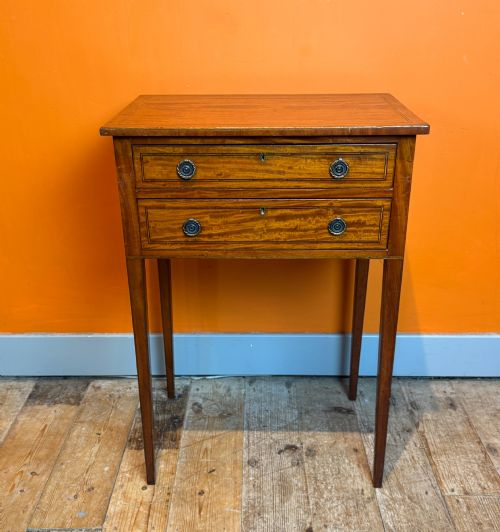
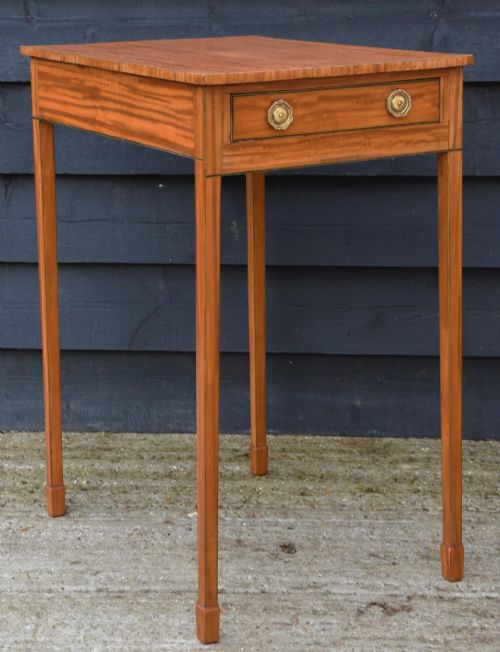
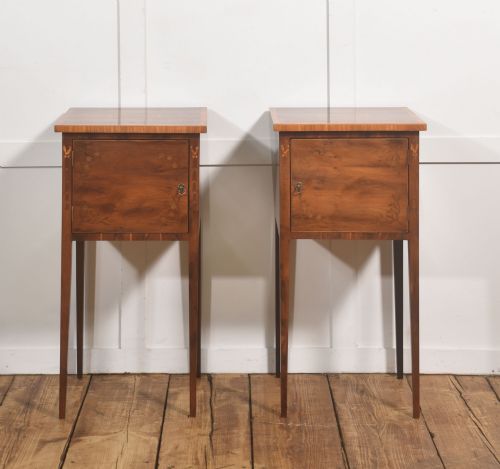
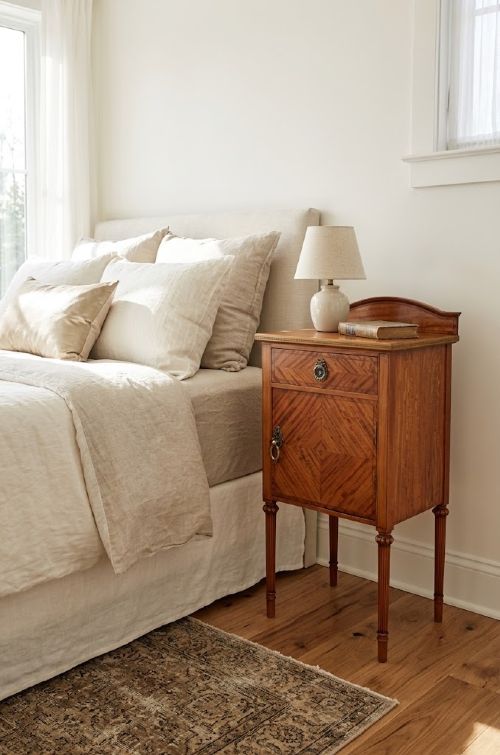
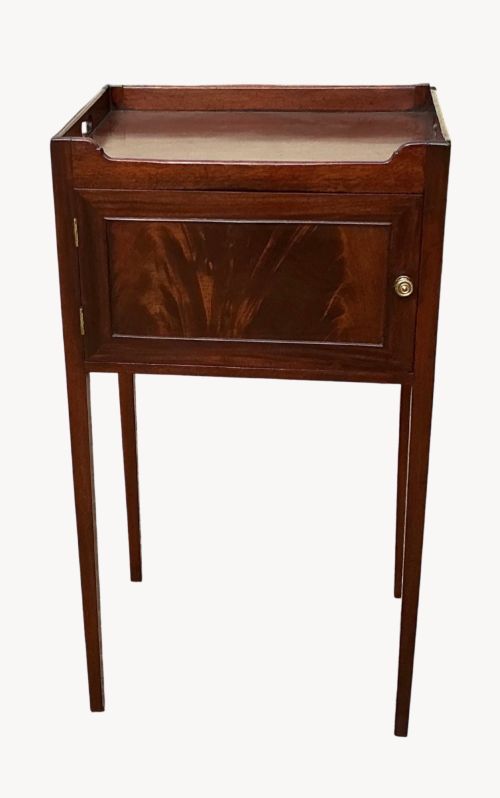
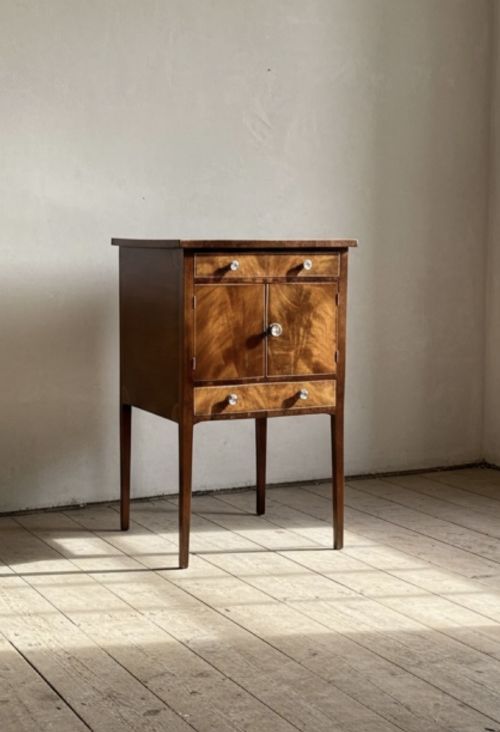
A sheraton nightstand brings classical symmetry and refined timber to the bedroom, taking the form of an enclosed bedside cupboard or delicate lamp table.
Sheraton Nightstand
The sheraton nightstand search phrase covers a refined group of bedside furniture, side tables, and small cupboards rooted in the classical proportions of the late eighteenth and early nineteenth centuries. Buyers frequently encounter Edwardian revivals alongside Georgian originals, all sharing a distinct lightness of form.
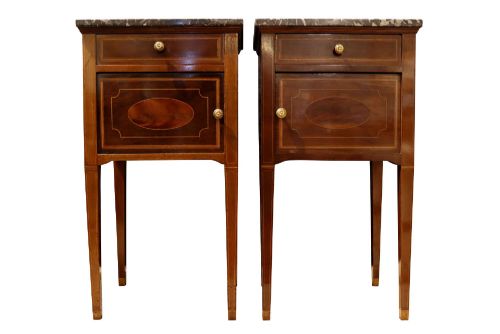
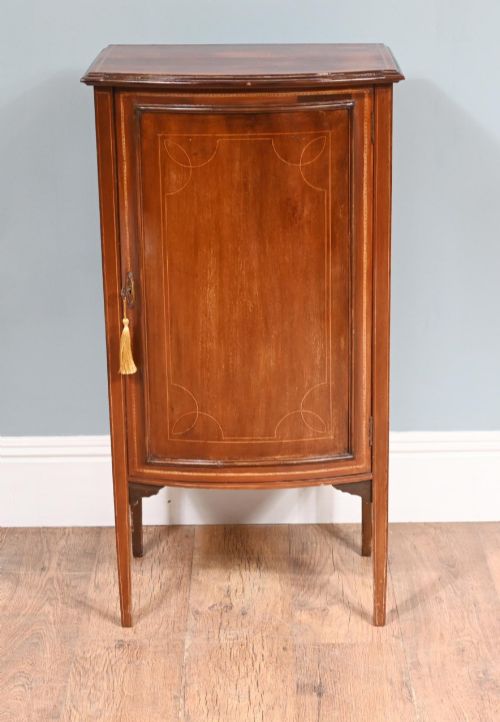
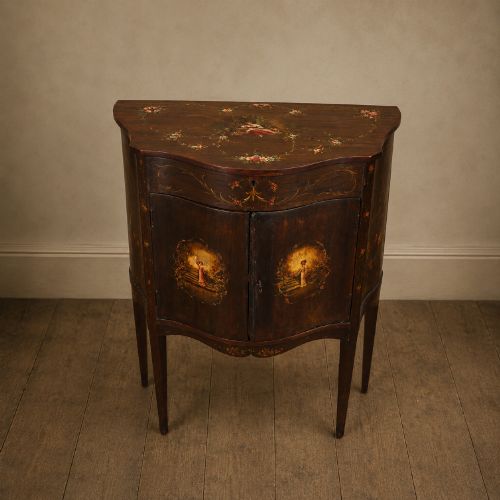
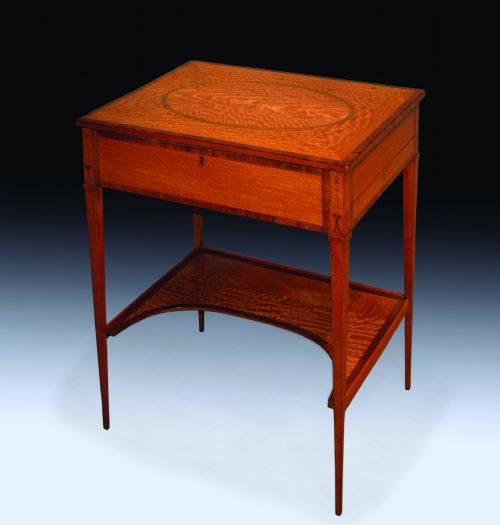
Most pieces appearing under this heading take the shape of compact bedside cupboards with enclosed lower storage, or slender occasional tables fitted with single drawers. Mahogany and satinwood predominate, often enhanced by subtle inlays or hand-painted detailing.
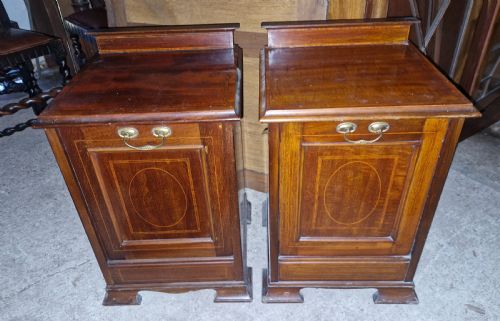
Origins span the Georgian era through to the Edwardian period, with numerous examples dated around nineteen hundred or classified under the Sheraton Revival style. Pairs of bedside cabinets emerge alongside singular lamp tables and drop-leaf forms.
Materials and Construction
Cabinetmakers utilised dense timbers such as mahogany and rich satinwood, frequently pairing them with contrasting boxwood or rosewood stringing. Marquetry inlay and hand-painted detailing supplied the characteristic neoclassical decoration associated with the style.
Joinery techniques focused on stability within compact dimensions, employing fine dovetails for drawer construction and sturdy framing for enclosed cupboards. Brass hardware, including drop handles and small key escutcheons, finished the work.
Sheraton Nightstand Retail Price Guide 2026
Typical asking prices for sheraton nightstand among the pieces listed under this phrase on Sellingantiques today, from the lower quarter to the upper quarter. They describe what is for sale here now, not the wider market.
Current listings feature materials spanning mahogany, satinwood, rosewood, and yew wood, alongside brass hardware and inlaid details.
Evaluating Craftsmanship
Distinctions in quality rest upon the crispness of the timber selection and the precision of the satinwood inlay rather than mere age. Finer pieces display continuous grain matching across drawer fronts and doors, whereas lesser examples rely on simpler surfaces.
The subtlety of hand-painted detailing and the integrity of the original brass mounts further separate standard production items from exceptional workshop creations.
Gillows
The Sheraton Nightstand Glossary
- Sheraton Revival
- A late nineteenth and early twentieth century design movement that re-interpreted the light, classical furniture forms of the eighteenth century. It frequently employed satinwood inlay and mahogany on bedroom and occasional pieces.
- Satinwood
- A lustrous, yellowish timber prized for its smooth grain and reflective surface. Makers utilised it for veneers and banding on high-status tables and cabinets.
- Marquetry
- The art of forming decorative patterns on woodwork by fitting together small pieces of coloured veneer. It appears on drawer fronts and top panels to create geometric or floral motifs.
- Bowfront
- A convex, curved cabinet front that projects outward in an arc. This shape softens the corners of bedside chests and side cupboards.
- Pembroke Table
- A small, drop-leaf occasional table featuring hinged flaps on two opposing sides. It serves versatile functions as a lamp table or bedside stand.
Sheraton Nightstand: Frequently Asked Questions
How do I identify a true period piece?
Examine the secondary woods inside the drawers and the style of the dovetailing, which should align with eighteenth or nineteenth-century workshop practices.
Surface patination and wear patterns around handles and edges also indicate genuine age rather than later revival production.
Are these cabinets suitable for modern beds?
Most antique bedside cupboards and lamp tables offer compact proportions that sit comfortably beside contemporary mattress heights.
Their enclosed lower storage provides practical space for modern bedside essentials while maintaining a slender footprint.
What is the difference between Edwardian and Georgian examples?
Georgian pieces date from the original period of design and rely on structural timber quality and subtle proportions for their elegance.
Edwardian items often represent revival work from around nineteen hundred, frequently featuring lighter satinwood inlays and painted details.
How should I care for satinwood surfaces?
Protect the polished timber from direct sunlight and excessive heat to prevent fading and cracking of the delicate veneers.
Apply a traditional beeswax polish sparingly and buff with a soft cloth to maintain the natural lustre of the wood.