



Sheraton Inlaid Box
These sheraton inlaid box pieces are refined containers crafted with precise wood inlay, offering a glimpse into disciplined period design.
Sheraton Inlaid Box
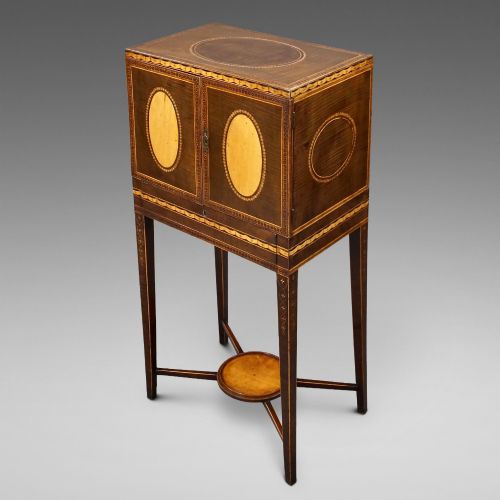
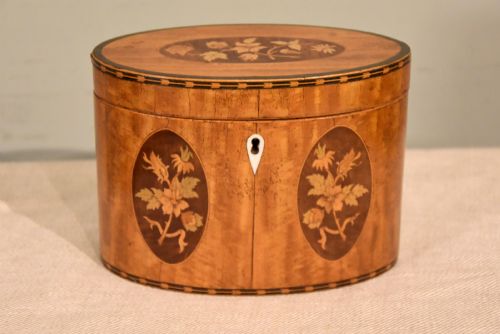
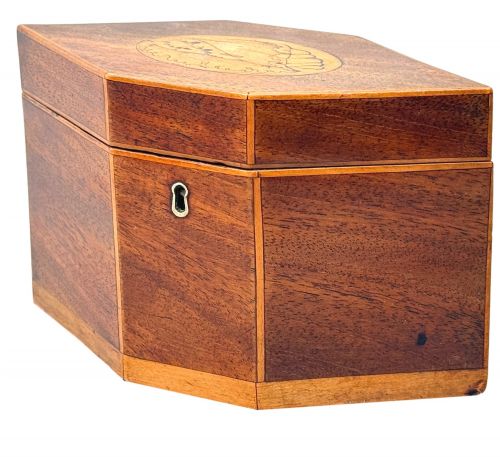
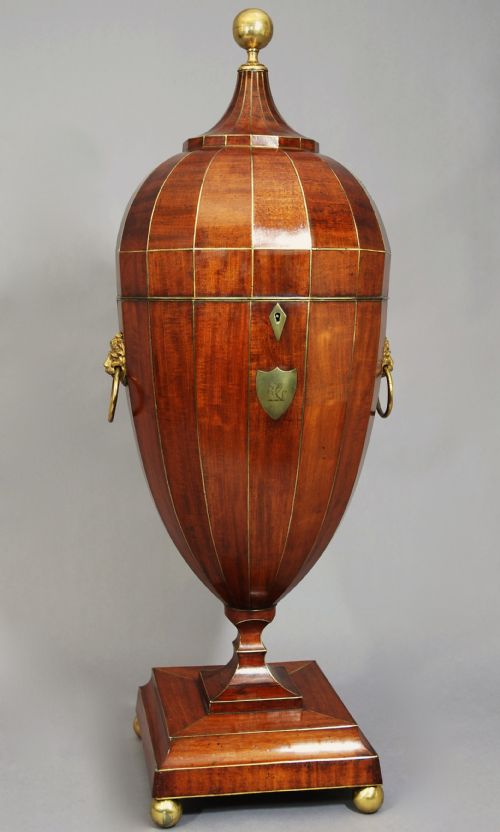
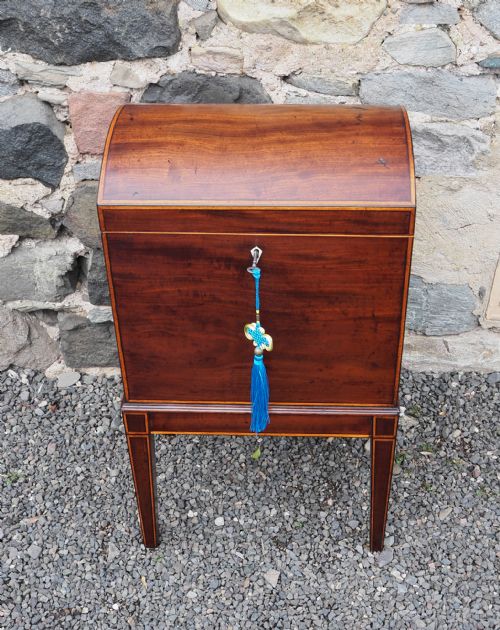
A sheraton inlaid box encompasses pieces designed to hold tea, cutlery, stationery, or letters, shaped in rectangular, oval, octagonal, or shield forms. You will frequently encounter tea caddies and knife boxes originating from the eighteenth century, George III period, and Georgian eras.
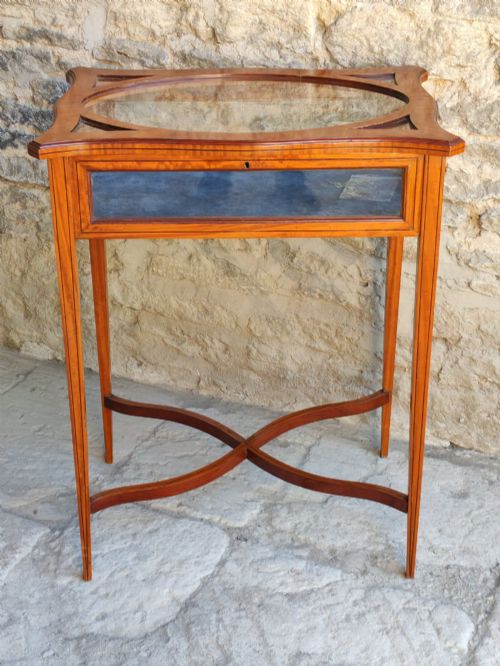
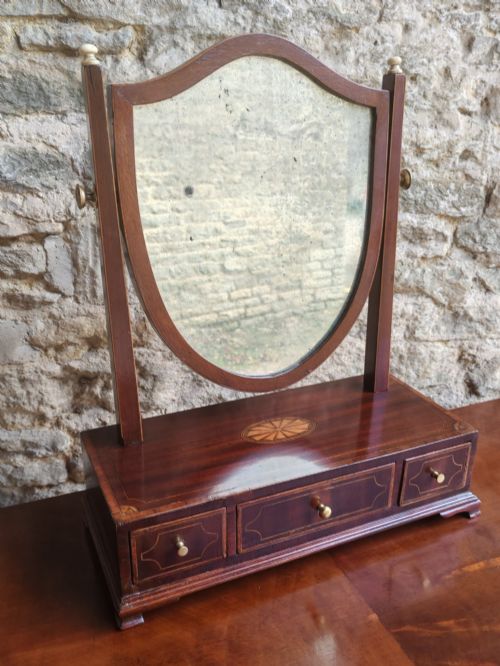
The selection also spans later revivals from the Edwardian and Victorian periods, including occasional tables, sewing tables, and dressing mirrors utilising similar stylistic traits. These variations demonstrate how the vocabulary of the style persisted well beyond its initial decades.
Makers utilised rich timbers to construct items intended for daily domestic use in prosperous households. The enduring appeal lies in the geometric precision and the disciplined proportion characteristic of the aesthetic.
Materials and construction methods
Carpenters constructed these objects primarily using solid and veneered timbers such as mahogany, satinwood, harewood, and partridge wood. The surfaces were then enriched with delicate wood inlay, boxwood lines, and marquetry motifs including shells and butterflies.
Detailing often incorporated brass mounts, glass, and bone components to accent the primary wooden structures. Artisans relied on careful carpentry to stabilise contrasting veneers against shrinking and warping over time.
Several boxes changed careers entirely, quietly shifting from guarding dry tea leaves to holding Victorian letters.
Distinguishing quality across examples
Quality depends upon the crispness of the wood inlay and the selection of the primary timber figures. Richly grained satinwood and harewood matched with subtle boxwood lines demonstrate superior workshop execution.
Proportion and restrained decoration separate standard utility pieces from exceptional items commissioned by discerning patrons. The integration of original brass mounts and undamaged interior compartments further distinguishes finer surviving examples.
The Sheraton Inlaid Box Glossary
- Tea caddy
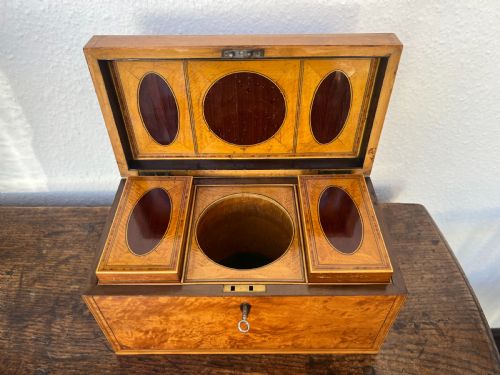
- A small container originally built with interior compartments to store loose tea leaves securely. These containers often featured locking lids to protect expensive provisions.
- Inlay
- A decorative technique where small pieces of contrasting wood, bone, or metal are fitted into recesses flush with the surrounding surface. This creates intricate geometric patterns and pictorial motifs.
- Harewood
- Sycamore wood stained grey to imitate more exotic green woods, commonly utilised in refined eighteenth-century cabinet making. The subtle tone provides a characteristic muted ground for contrasting details.
- Satinwood
- A durable tropical timber valued for its lustrous, golden sheen and fine grain. It served as a primary surface veneer for high-status pieces.
- Teapoy
- A pedestal table fitted with a top container for holding multiple varieties of tea. These elevated boxes allowed easy service in formal drawing rooms.
Sheraton Inlaid Box: Frequently Asked Questions
What were these boxes used for?
These containers served practical domestic functions such as securing valuable tea leaves, cutlery, stationery, and letters. Owners kept them in prominent rooms where their decorative qualities could be admired by guests.
Over time, many surviving examples were adapted for alternative uses, such as converting tea caddies into stationery or letter holders as social customs evolved.
How do I identify a Georgian piece?
Georgian examples typically display timbers like mahogany, harewood, and satinwood combined with hand-cut boxwood stringing and shell motifs. The construction methods reflect eighteenth-century cabinet making standards, prioritising hand-dovetailed joints and natural adhesives.
Later Victorian and Edwardian revivals often utilise machine-sawn veneers and show subtle differences in secondary woods and interior fittings.
How should I clean satinwood?
Maintain satinwood surfaces by dusting gently with a dry, soft cloth to prevent abrasive particles from scratching the delicate polish. Avoid using modern chemical sprays, water, or commercial polishes that can penetrate old finishes and lift historic veneers.
Period wax applied sparingly once or twice a year helps preserve the natural lustre of the timber without building up excessive residue.
Are interiors usually original?
Original interiors often feature partitioned compartments for tea canisters, complete with small fitted lids and bone knobs. Some pieces retain traces of old foil or velvet lining used to insulate contents.
Replacements or alterations in the interior are common due to centuries of re-use, particularly when tea caddies were converted to hold stationery during the Victorian era.