

Sheraton Bureau Desk
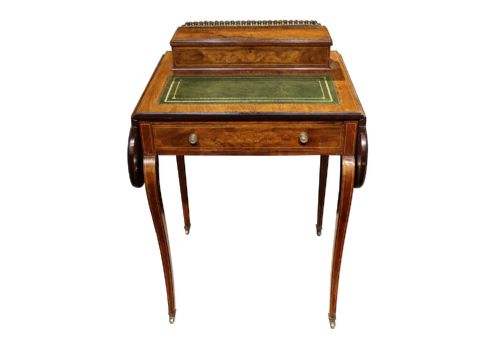
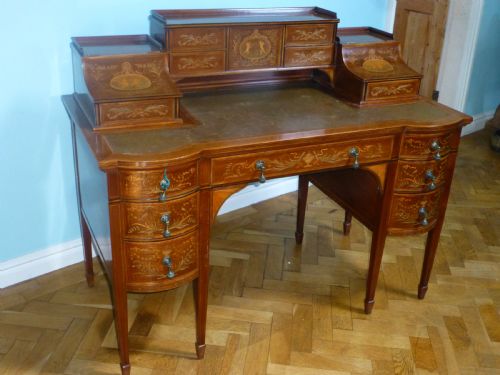
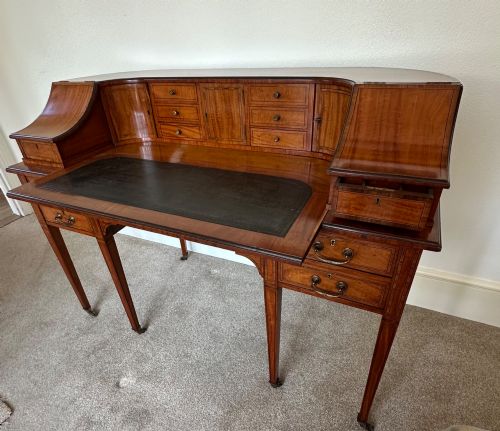
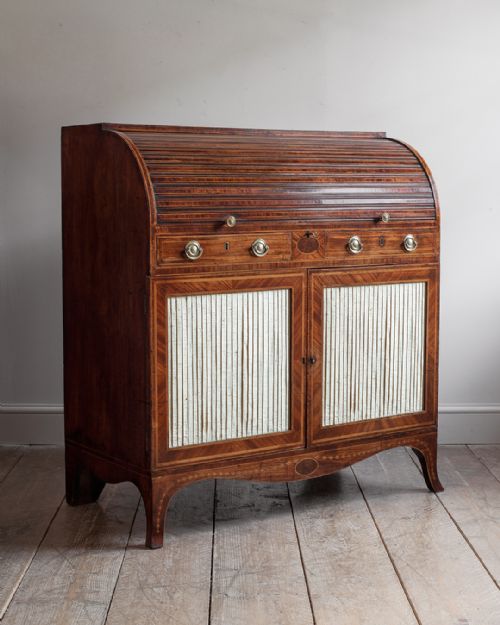
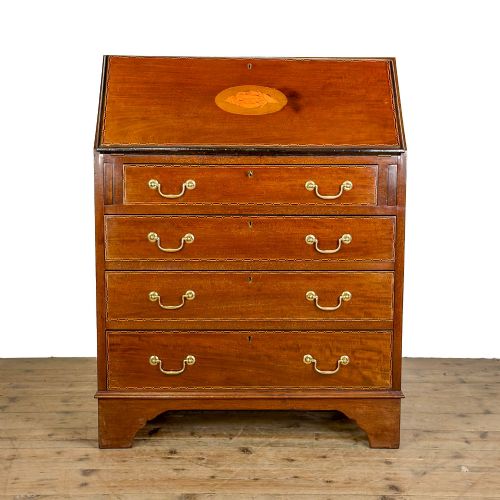
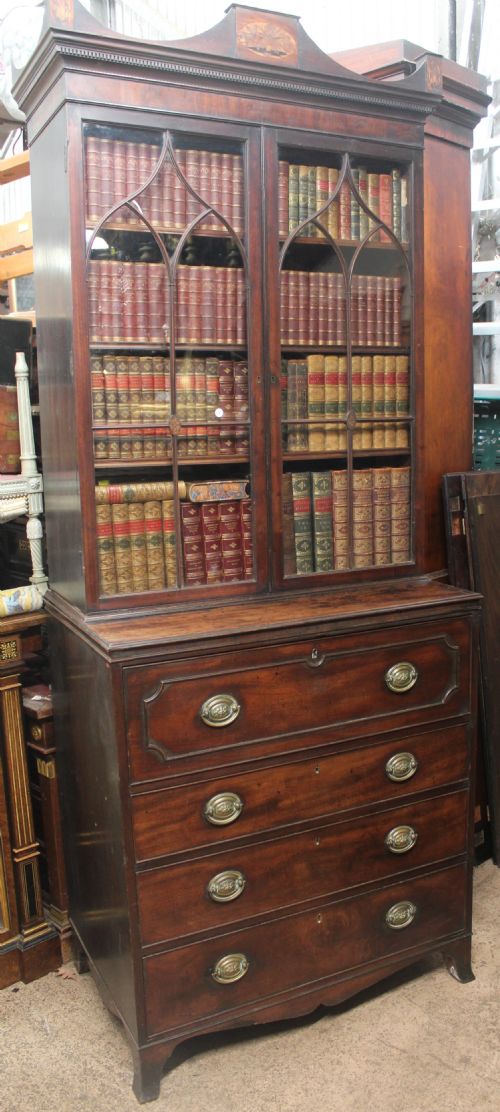
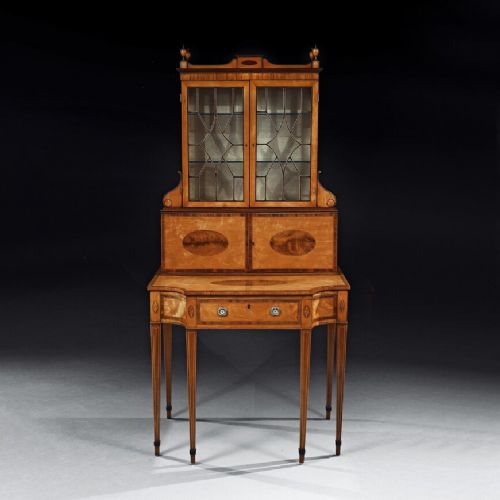
These sheraton bureau desk examples span the Georgian, Victorian, and Edwardian periods, offering fitted interiors and polished writing surfaces for practical daily use.
Sheraton Bureau Desk
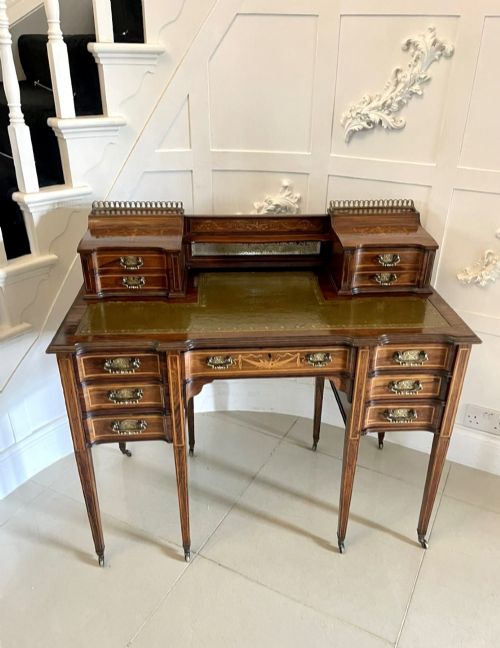
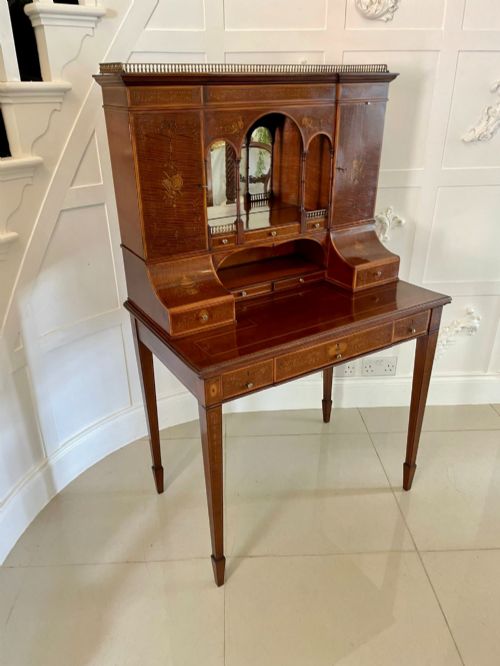
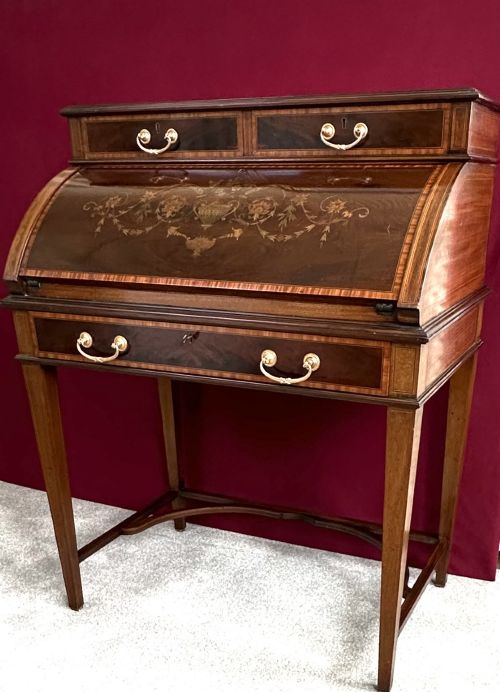
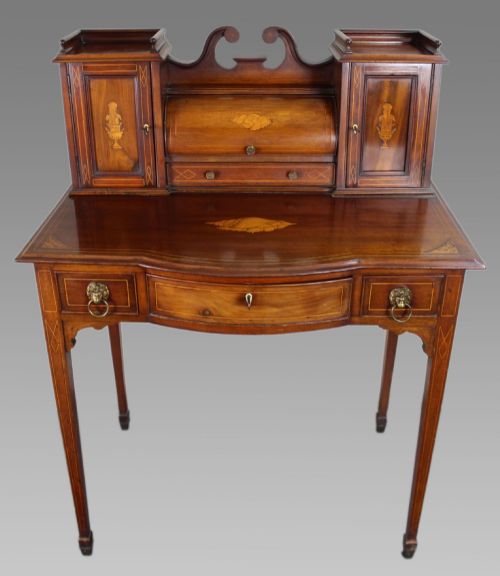
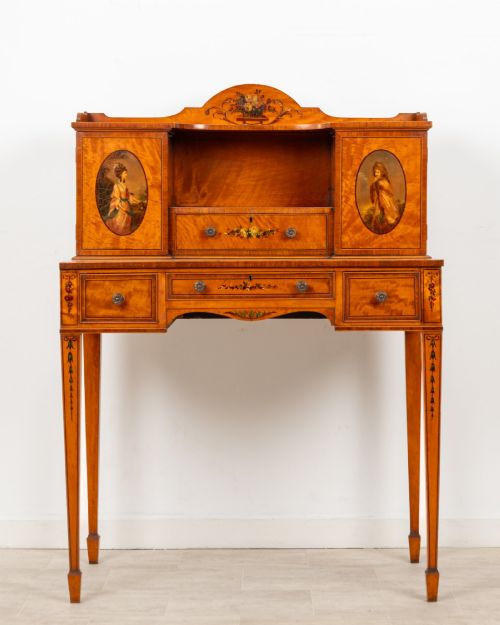
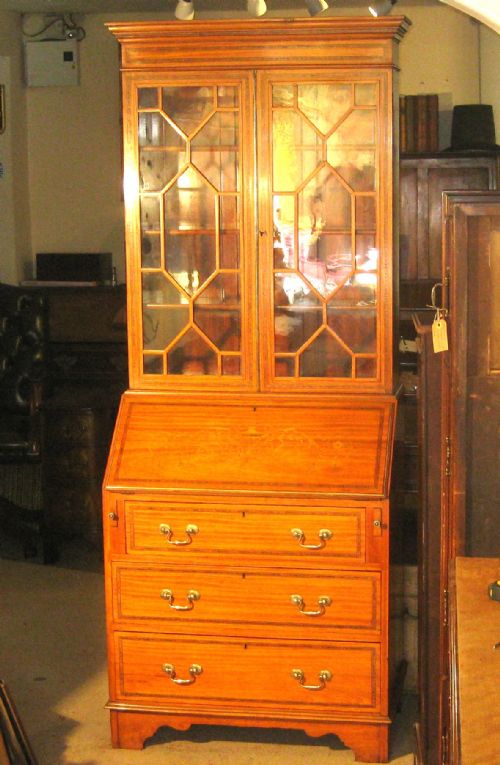
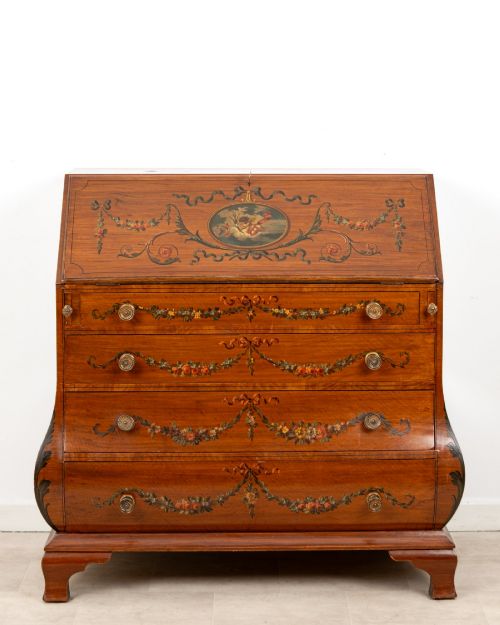
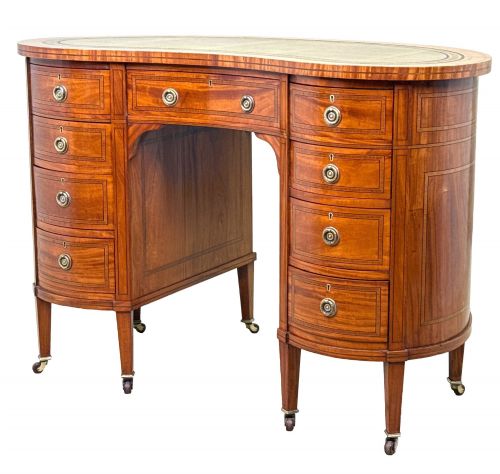
A sheraton bureau desk brings together classic writing furniture from the Georgian, Victorian, and Edwardian eras, encompassing fall-front bureaux, cylinder desks, and secretaire bookcases. Buyers find pieces ranging from compact Edwardian satinwood ladies writing tables to substantial 18th-century George III cabinets.
The selection on this page relies heavily on Edwardian interpretations alongside original Georgian pieces, often featuring inlaid mahogany or satinwood surfaces. Forms vary from simple writing desks to elaborate bureau bookcases and Carlton House desks equipped with fitted interiors.
How they were made
Cabinet makers utilised solid mahogany, satinwood, and rosewood, frequently incorporating contrasting boxwood and satinwood inlay to create delicate geometric or floral patterns. Structural elements often combined oak linings with fine mahogany timbers, while glass panels and brass hardware completed the construction.
Surfaces received hand-painted details, marquetry panels, or leather inserts for the writing area, paired with fitted drawers and pigeonholes inside drop-front or cylinder lids. Tambour shutters and fall-front mechanisms required precise joinery to ensure smooth operation of the internal compartments.
Some Edwardian ladies writing tables include hidden compartments originally designed for secret love letters.
What varies in quality
The standard of craftsmanship shows in the crispness of the marquetry inlay and the careful selection of figured veneer timbers like satinwood and mahogany. Superior examples display seamless joins, original brass fittings, and well-executed hand-painted details rather than printed decoration.
Internal complexity also dictates the tier of the piece, with elaborate pigeonhole arrangements, secret compartments, and fitted leather writing surfaces elevating the construction. The integrity of the timber movement and the retention of original components separate standard production pieces from fine cabinet work.
Maple and Co·Edwards and Roberts
The Sheraton Bureau Desk Glossary
- Bureau
- A sloping front desk enclosing fitted interior compartments and drawers. This form evolved significantly from the Georgian period through to the Edwardian revival.
- Satinwood
- A light-coloured tropical timber prized for its lustrous sheen and smooth grain. Makers utilised it extensively for high-status Sheraton and Edwardian writing furniture.
- Secretaire
- A piece of furniture containing a writing drawer or fold-down writing flap disguised as ordinary drawer fronts. It conceals internal pigeonholes and small drawers.
- Marquetry
- Decorative woodwork where pieces of veneer are fitted into a ground material to form designs. Craftsmen used various woods to create floral or geometric motifs.
- Tambour
- A flexible shutter made of narrow strips of wood glued to a canvas backing. This mechanism slides in tracks to cover cylinder desks and cabinet interiors.
Sheraton Bureau Desk: Frequently Asked Questions
What is a sheraton bureau desk?
A sheraton bureau desk is a writing cabinet featuring the classical proportions, tapered legs, and delicate inlay associated with the late eighteenth century and later revival periods. These pieces combine a writing surface with storage drawers or internal compartments.
They range from compact Edwardian ladies writing tables to large Georgian bureau bookcases. The design prioritises elegance alongside functional writing space.
How do I tell Georgian from Edwardian pieces?
Georgian pieces display the genuine construction methods, timber ageing, and proportions of the eighteenth century. Edwardian items reflect later revivals utilising similar mahogany and satinwood materials around nineteen hundred.
Examining the secondary timbers inside the drawers and the style of the brass hardware helps clarify the manufacturing period. Revival pieces often exhibit cleaner interior linings and machine-cut components.
How were these desks used originally?
These desks provided a dedicated private space for correspondence, account keeping, and reading. The fall fronts or cylinder lids allowed owners to conceal paperwork when not in use.
Fitted interiors with small drawers and pigeonholes kept stationery and letters organised. Ladies writing tables often included small drawers on the superstructure for personal items.
How do I care for satinwood surfaces?
Satinwood furniture requires gentle dusting with a soft, dry cloth to protect the polished finish. Direct sunlight and excessive humidity should be avoided to prevent fading and timber movement.
Applying a traditional wax polish occasionally helps nourish the wood and maintain its natural lustre. Care must be taken around leather writing inserts during cleaning.