





Sheffield Silver Vessel
A sheffield silver vessel brings centuries of metalwork heritage to the table, offering tactile historical charm for daily use or display.
Sheffield Silver Vessel
When you search for a sheffield silver vessel, you enter a domain of historic drinking vessels, pouring jugs, and diningware shaped across multiple eras. These pieces span centuries of British metalworking, encompassing Georgian utility and later decorative forms.
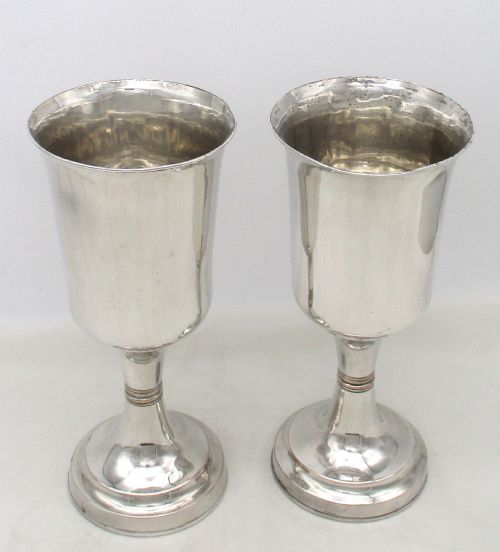
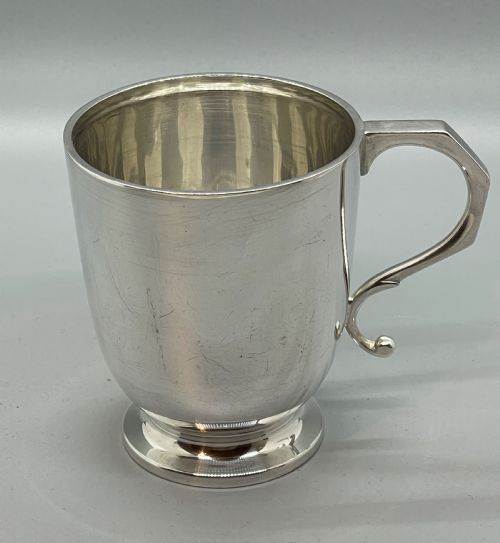
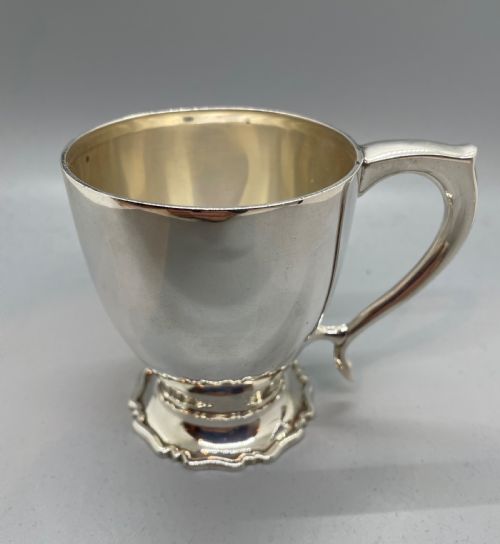
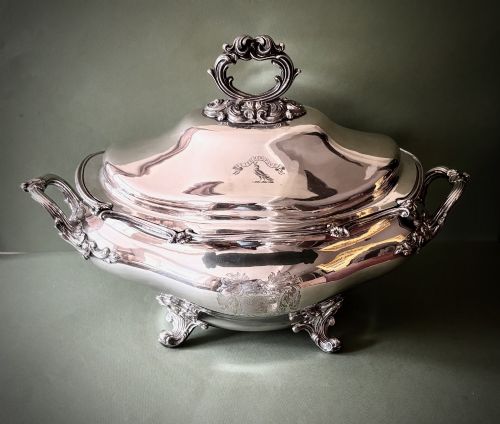
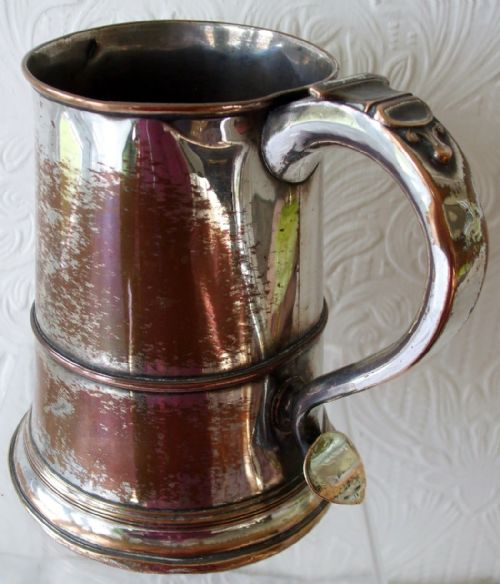
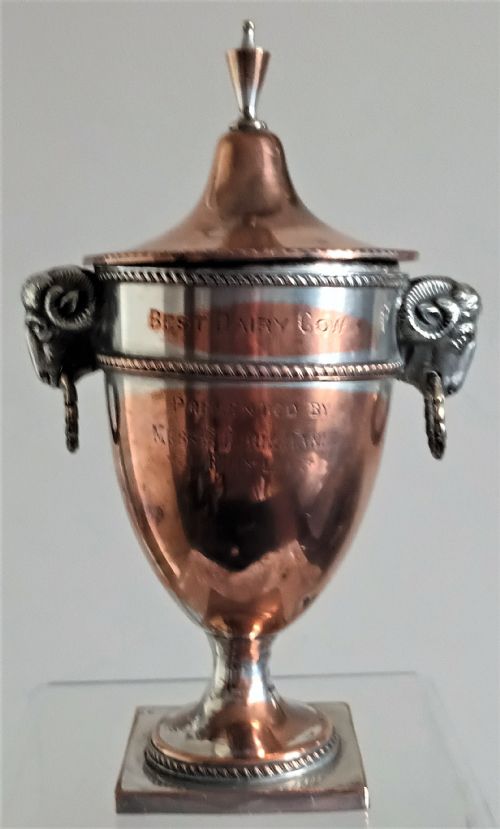
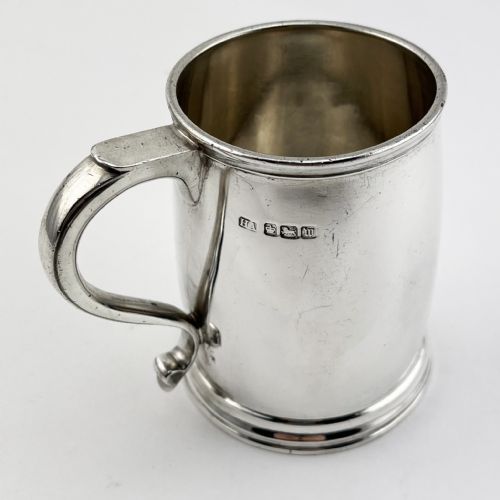
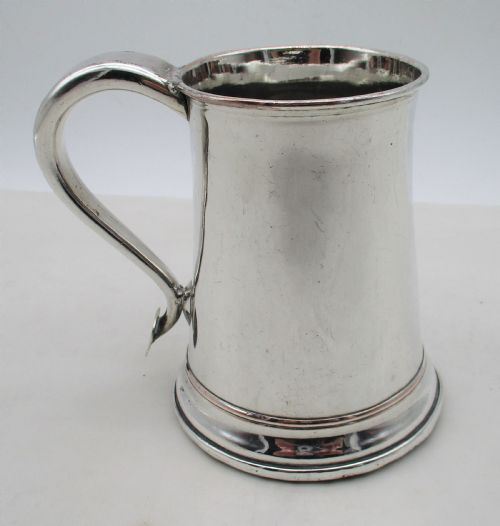
The objects listed on this page centre heavily on drinking and serving vessels, predominantly featuring tankards, mugs, chalices, and coffee pots. Alongside these drinking forms, you encounter tureens, argyles, gravy warmers, wine coolers, and decorative urns.
Originating from periods such as the eighteenth century, Regency, and Victorian eras, these vessels showcase distinct historical styling. Old Sheffield plate and sterling silver form the backbone of the selection, reflecting the manufacturing traditions tied directly to Sheffield.
Assessing Quality and Character
The calibre of a vessel rests upon the crispness of its form, the integrity of the fused metal layers, and the legibility of any early marks. Pieces demonstrating uncompromised structural form and subtle decorative detailing stand apart.
Subtle differences in weight, proportion, and the preservation of original surfaces distinguish finer examples from standard production. The retention of original handles, stands, and maker stamps elevates the standing of an individual piece.
Sheffield Silver Vessel Retail Price Guide 2026
Typical asking prices for sheffield silver vessel among the pieces listed under this phrase on Sellingantiques today, from the lower quarter to the upper quarter. They describe what is for sale here now, not the wider market.
Listings feature items from the eighteenth century, Georgian, Regency, Victorian, and mid-century periods, utilising silver, copper, and wood.
Richard Morton·Joseph Rodgers & Sons
The Sheffield Silver Vessel Glossary
- Old Sheffield Plate
- A composite material formed by fusing a thin sheet of silver to a thicker copper base. This method preceded modern electroplating and leaves characteristic edges where the copper shows.
- Argyle
- A vessel designed to keep gravy warm by means of an internal compartment for hot water. These dining accessories appear frequently in Georgian silver and plate.
- Chalice
- A stemmed sacramental cup used in church services. The selection includes tall ecclesiastical examples from the nineteenth century.
- Tankard
- A tall, cylindrical drinking vessel with a handle, often featuring a lid. These drinking vessels appear in pint and quart sizes across eighteenth and nineteenth-century inventories.
- Tureen
- A deep serving bowl with a lid utilised for soups and gravies. Substantial multi-piece examples surface in early plate manufacturing.
Sheffield Silver Vessel: Frequently Asked Questions
What is Old Sheffield Plate?
Old Sheffield plate is an early fused metal material made by uniting a layer of silver with a copper core through heat and pressure.
This technique produced durable serving vessels and tankards before the invention of nineteenth-century electroplating processes.
How were these vessels used?
These pieces served practical dining and drinking functions, ranging from pouring coffee and beer to warming gravy at the table.
Ecclesiastical examples such as chalices and communion jugs served liturgical purposes in churches during the nineteenth century.
How do I care for silver plate?
Clean these items gently using non-abrasive silver polishes designed for plated surfaces to protect the underlying copper layer.
Store them in stable environments away from direct moisture and humidity to maintain the metal finish.
How can I tell the period?
Examine the vessel for maker marks, manufacturing characteristics, and stylistic traits typical of Georgian, Regency, or Victorian design.
Material composition, such as early Old Sheffield plate construction methods, also aids in dating the piece.